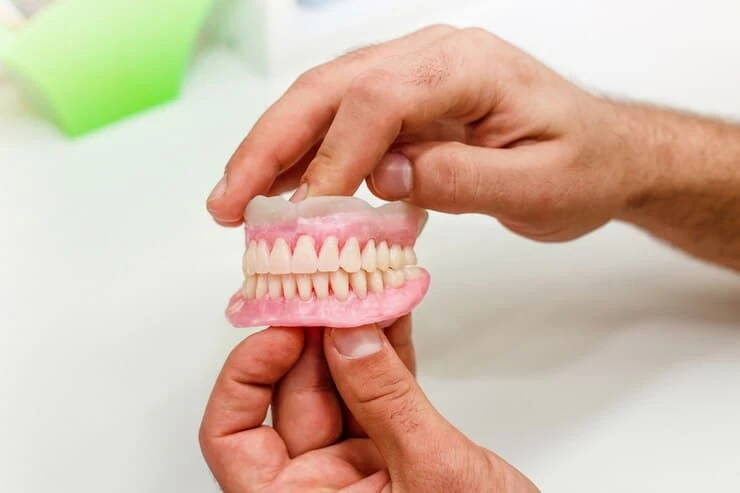

Flexible partial dentures have become an increasingly popular choice for individuals who need to replace missing teeth while seeking comfort, aesthetics, and adaptability. Tooth loss can affect daily activities such as eating, speaking, and smiling, and partial dentures have long been used to restore function and appearance. Traditional partial dentures have provided reliable results for many years, yet advancements in dental materials have introduced flexible partial dentures as a modern alternative. Understanding how flexible partial dentures differ from traditional options helps patients and dental professionals make informed decisions about restorative care.
This article explains the key differences between flexible partial dentures and traditional partial dentures, focusing on comfort, appearance, materials, function, and long term value.
Understanding Partial Dentures in Restorative Dentistry
Partial dentures are removable dental appliances designed to replace one or more missing teeth while utilizing remaining natural teeth for support.
The Purpose of Partial Dentures
Partial dentures restore essential oral functions by replacing missing teeth and maintaining proper spacing within the mouth. They help improve chewing efficiency, support clearer speech, and prevent neighboring teeth from shifting out of position.
Both flexible partial dentures and traditional partial dentures aim to achieve these goals, but they differ significantly in design and material composition.
Evolution of Partial Denture Design
Traditional partial dentures were developed using rigid frameworks and visible clasps to ensure stability. Over time, patient demand for improved comfort and appearance led to the development of flexible partial dentures, which prioritize adaptability and aesthetics without compromising function.
What Are Flexible Partial Dentures
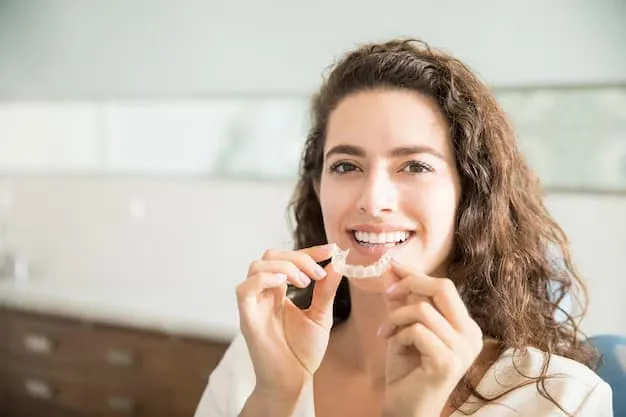
Flexible partial dentures are removable appliances made from advanced flexible materials that adapt closely to the contours of the mouth.
Material Composition of Flexible Partial Dentures
Flexible partial dentures are typically made from thermoplastic materials that allow for greater flexibility than traditional acrylic or metal frameworks. This material bends slightly under pressure and returns to its original shape, offering a comfortable fit.
The flexible base often blends with the natural color of gum tissue, enhancing overall appearance.
Design Characteristics
Unlike traditional options, flexible partial dentures do not rely on rigid metal clasps. Instead, they use flexible extensions that gently secure the appliance around natural teeth, providing retention while maintaining a discreet look.
Traditional Partial Dentures Explained
Traditional partial dentures have been a standard restorative option for decades and continue to be used in many cases.
Rigid Framework and Support
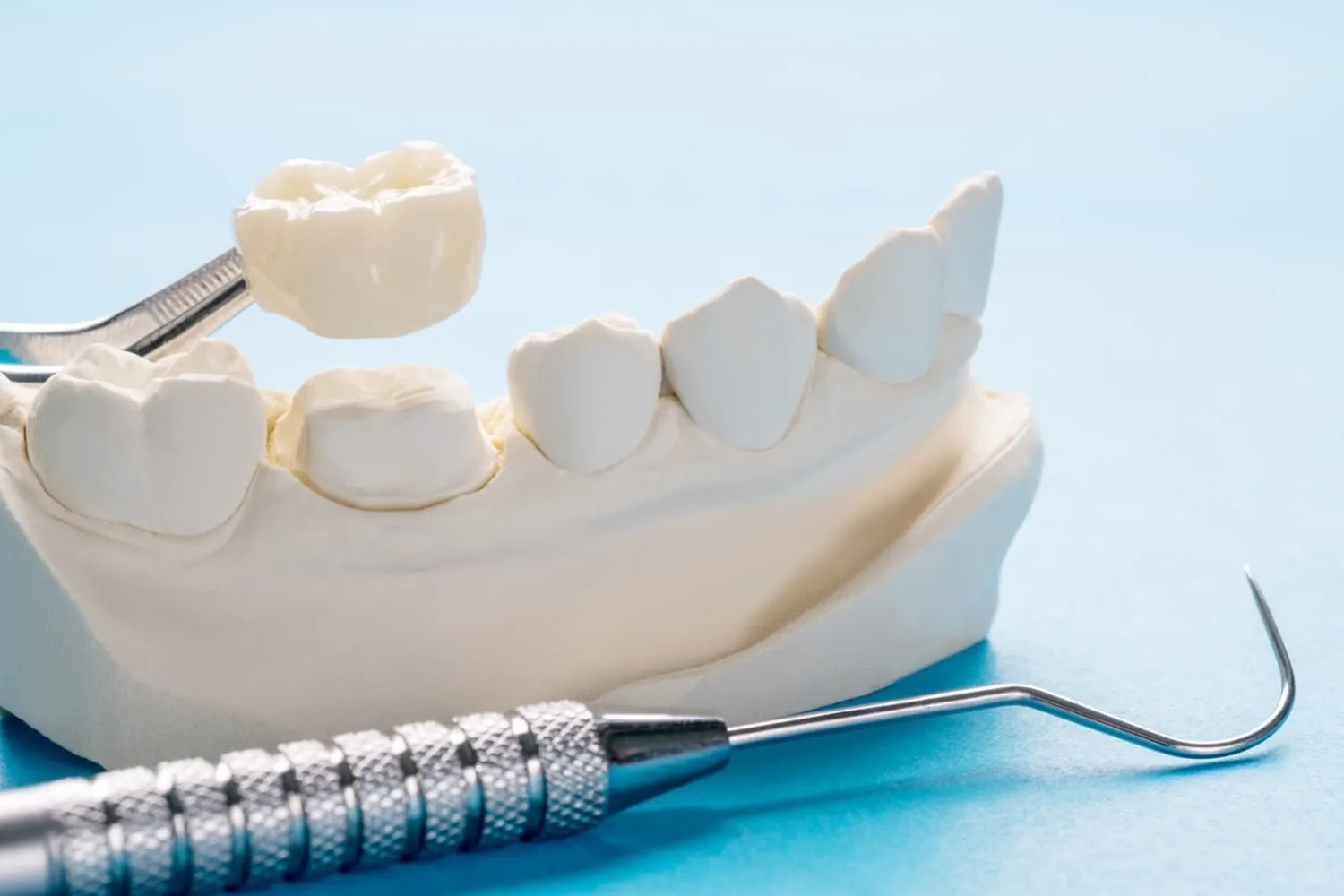
Traditional partial dentures commonly use a metal or acrylic framework to support replacement teeth. Metal clasps are often used to anchor the denture to natural teeth, ensuring stability during use.
While effective, these components can sometimes be visible when smiling or speaking.
Proven Functionality
Traditional partial dentures are known for their durability and strength. The rigid structure provides consistent support and has a long history of successful use in restorative dentistry.
Key Differences in Comfort and Fit
Comfort is one of the most noticeable differences between flexible partial dentures and traditional options.
Adaptability to Mouth Movement
Flexible partial dentures adapt to natural mouth movements during speaking and chewing. The flexible material allows the denture to move slightly with the gums, reducing pressure points and irritation.
Traditional partial dentures, with their rigid structure, may feel less forgiving, especially during the initial adjustment period.
Reduced Soreness and Irritation
The smooth and flexible nature of flexible partial dentures often results in fewer sore spots. Patients who experience discomfort with rigid frameworks may find flexible partial dentures more comfortable for extended wear.
Differences in Appearance and Aesthetics
Aesthetics play a significant role in patient satisfaction, particularly for visible dental restorations.
Natural Looking Design
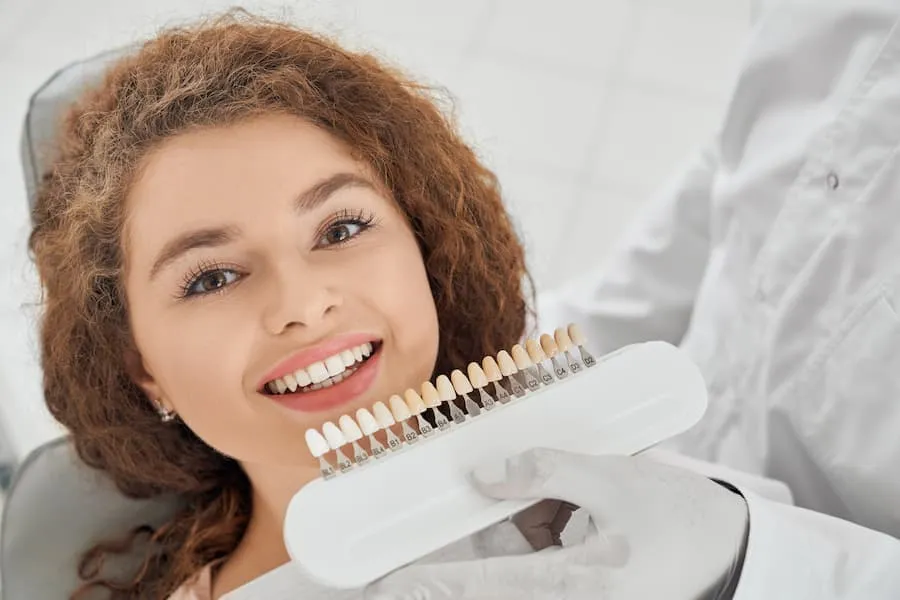
Flexible partial dentures are designed to blend seamlessly with natural teeth and gums. The gum colored base material and absence of visible metal contribute to a more natural appearance.
Traditional partial dentures may have visible clasps, which can draw attention and affect smile aesthetics.
Discreet Tooth Replacement
For patients concerned about appearance in social or professional settings, flexible partial dentures offer a discreet solution. Their design allows them to remain less noticeable, even during close interactions.
Functional Differences in Daily Use
Both types of partial dentures restore function, but they do so in different ways.
Chewing Efficiency and Bite Balance
Flexible partial dentures restore chewing ability by replacing missing teeth and distributing bite forces more evenly. Their adaptability allows for comfortable chewing without excessive pressure on specific areas.
Traditional partial dentures also restore chewing function but may require more precise adjustments to ensure comfort and balance.
Speech and Communication
Tooth loss can affect speech clarity. Both flexible and traditional partial dentures help restore proper spacing for improved pronunciation. Flexible partial dentures may feel more natural during speech due to their lightweight design.
Differences in Materials and Durability
Material selection affects the lifespan and maintenance of partial dentures.
Flexibility Versus Rigidity
Flexible partial dentures are resistant to fractures due to their ability to bend rather than break. This makes them a reliable option for patients seeking resilience and comfort.
Traditional partial dentures, while durable, can be more prone to cracking if dropped or subjected to stress, particularly those made primarily from acrylic.
Longevity With Proper Care
Both flexible partial dentures and traditional options can provide long lasting results when properly maintained. Regular dental visits and good hygiene practices play a key role in preserving their condition.
Maintenance and Care Considerations
Caring for partial dentures is essential for maintaining oral health and appliance longevity.
Cleaning Flexible Partial Dentures
Flexible partial dentures require gentle cleaning to avoid damaging the material. Daily cleaning helps remove plaque and debris while preserving appearance.
Cleaning Traditional Partial Dentures
Traditional partial dentures may tolerate a wider range of cleaning methods due to their rigid materials. However, careful handling is still important to prevent damage.
Storage and Handling
Both types of dentures should be stored properly when not in use. Avoiding excessive heat is particularly important for flexible partial dentures, as high temperatures can affect their shape.
Suitability for Different Patients
Choosing between flexible partial dentures and traditional options depends on individual needs and oral conditions.
Candidates for Flexible Partial Dentures
Patients who value comfort, aesthetics, and adaptability often prefer flexible partial dentures. They are especially suitable for individuals sensitive to metal components or concerned about visible clasps.
Candidates for Traditional Partial Dentures
Traditional partial dentures may be recommended for patients who require additional structural support or have specific bite requirements. Their rigid framework can provide stability in more complex restorative cases.
Cost and Value Considerations
Cost is an important factor in selecting a tooth replacement option.
Investment in Comfort and Appearance
Flexible partial dentures often reflect their advanced materials and customization. Patients may view this option as an investment in comfort and appearance.
Long Term Value of Traditional Options
Traditional partial dentures may offer cost advantages in certain cases and have a long history of dependable performance. Their value lies in proven durability and functionality.
Impact on Oral Health
Both types of partial dentures contribute to maintaining oral health when properly designed and cared for.
Preventing Tooth Shifting
By filling gaps left by missing teeth, flexible partial dentures and traditional partial dentures help prevent neighboring teeth from shifting out of position. This supports proper alignment and bite stability.
Supporting Jaw and Gum Health
Replacing missing teeth helps distribute chewing forces evenly, reducing stress on remaining teeth and supporting overall oral health.
Making an Informed Choice
Understanding the differences between flexible partial dentures and traditional options allows patients to make informed decisions in collaboration with dental professionals.
Balancing Comfort, Function, and Aesthetics
Each patient has unique priorities, whether comfort, appearance, durability, or cost. Evaluating these factors helps determine which type of partial denture best meets individual needs.
The Role of Professional Guidance
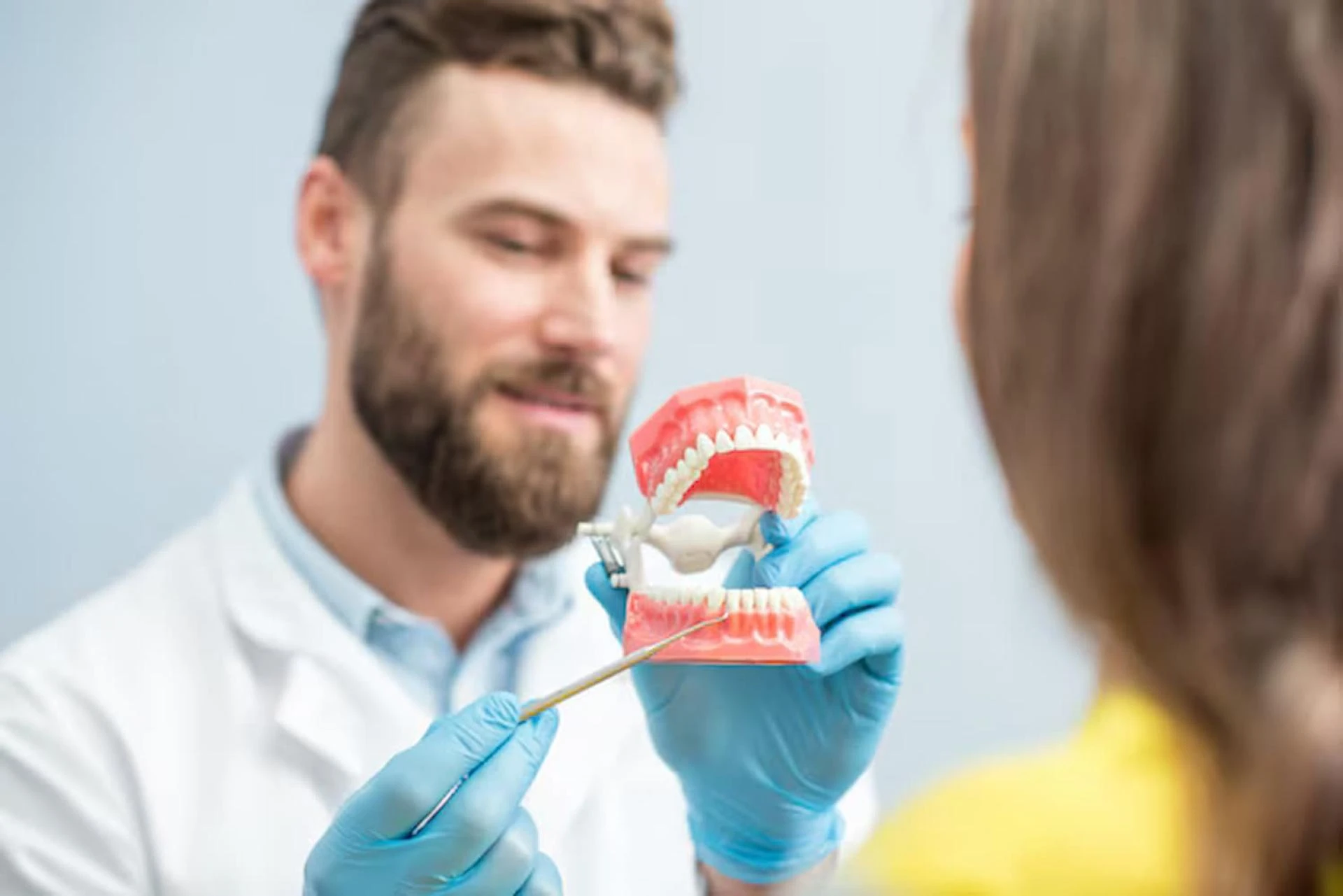
Dental professionals play a key role in assessing oral health, bite alignment, and lifestyle factors to recommend the most suitable partial denture option.
Conclusion
Flexible partial dentures differ from traditional options in several important ways, including comfort, appearance, materials, and adaptability. Their flexible design offers a natural looking and comfortable alternative for many patients, while traditional partial dentures continue to provide reliable support and durability. Both options serve an important role in restorative dentistry, and the right choice depends on individual needs and clinical considerations.
For dental professionals and patients seeking expertly crafted flexible partial dentures and traditional restorative solutions, OD's Dental Laboratory remains committed to delivering precision, quality, and dependable dental laboratory support.




















Sign in to leave a comment.