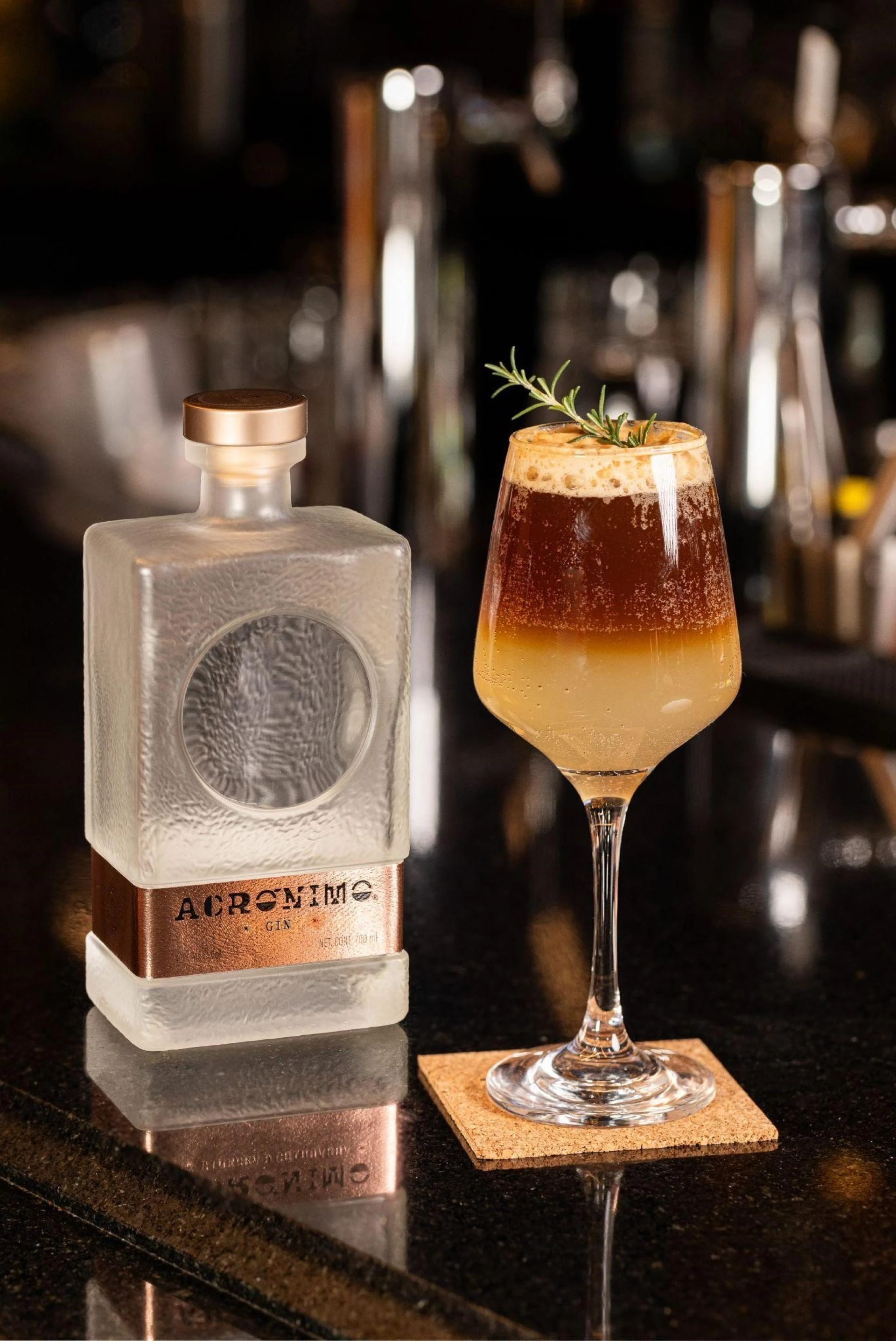

Gin was once an outdated relic that got stuck behind bars. But today, it has made its way back to premium cocktail menus once again. It has undergone a remarkable transformation to become a source of pride for small-batch distillers. Gin is now the number one choice for discerning drinkers worldwide.
But gin’s return to popularity is not just trendy branding or exotic taste. In this blog, we’ll discuss how gin went from an ancient medicine to a darling of spirits.
What Defines Gin?
Gin is defined by juniper berries, which give gin its distinctive aroma and flavor. The name “Gin” also comes from the Dutch genever or French genièvre, both meaning “juniper.” However, now distillers are also experimenting to make exotic botanicals with citrus peels and wildflowers. Even then, juniper berries remain the heart of gin, giving it a unique personality everyone loves today.
Why Gin Became Cool Again
Vodka overshadowed gin for much of the 20th century due to its smooth neutrality. But when global tastes started to change in the early 2000s, gin got a shot to make a comeback.
Here’s how:
Innovations by Distillers
Modern-day gin distillers do not abide by traditions. Even when juniper berries are non-negotiable, everything else is available for experiments. Distillers play with options like:
● Pepperberries from Australia
● Kaffir lime from Thailand
● Coaster rosemary from California
Distillers use these botanicals to create layered gins that attract youth who want to experience different cultures.
Rise of Small-Batch Distilleries
Craft distilleries have flourished in the past decade. Independent producers from countries like the UK, the US, and Japan have learned how to play with gin’s flexibility to create exotic flavours. Many of these distillers also offer a create your own gin experience to blend tourism with education and tastings.
Brand Storytelling and Design
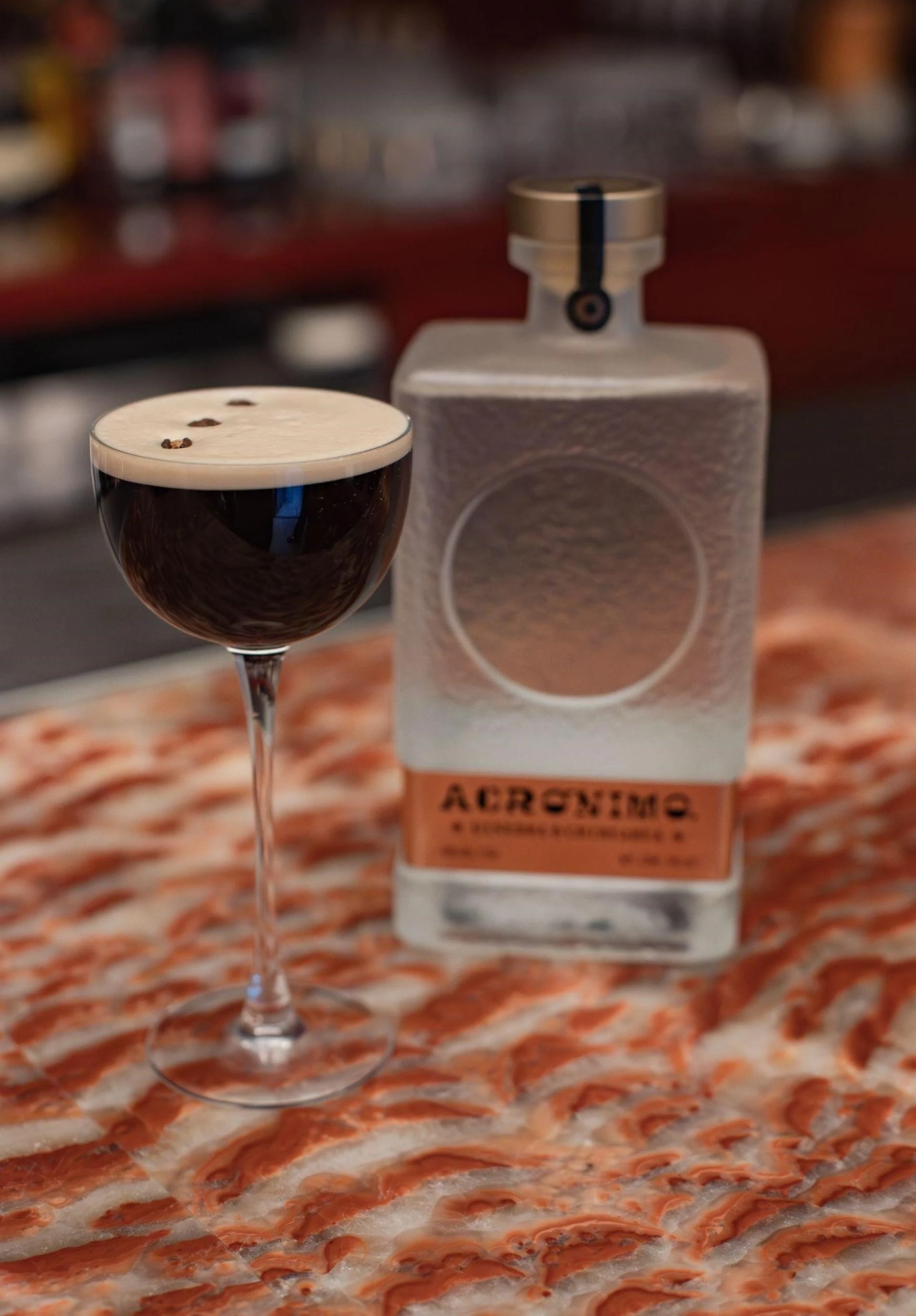
Gin brands now stand out for not just their taste but for their visual and emotional appeal. They use embossed glass bottles and poetic label copy to create a sense of identity and lifestyle. Gin is now seen as a design object as a drink. Making it perfect for collecting or showcasing on a home bar.
Gin is Now in the Hands of Modern Mixologists
Thanks to its depth and character, gin is once again popular in the world of mixology. It has become indispensable behind the bar with bartenders offering:
● Martinis with botanical flavors that offer a more expressive alternative to vodka.
● Negronis that encourage more customization and choices in cocktails.
● New-age classics like Clover Club and Bramble to attract new drinkers.
Bartenders are now using gin’s complexity to maintain an endless balance for drinkers. This is a trait that no other spirit can offer.
Will Gin Stay Trending in the Long Run?
If we look at gin’s history, its resilience shows its ability to stay in power. It went from medieval medicine to bathtub spirit and then became a cocktail bar essential. Gin has defined and redefined itself repeatedly over the years.
But nowadays, gin is all about innovation, conscious consumerism, and global creativity with botanicals. Drinkers now want spirits that have a story to tell and a purpose, making gin their answer. So distillers are now focused on capturing a place or a month that sets a mood. They are using native botanicals and traditional methods to create a personal narrative instead of drinks.
The world now craves authenticity, and gin is the only spirit that can provide both taste and tale.



























Sign in to leave a comment.