

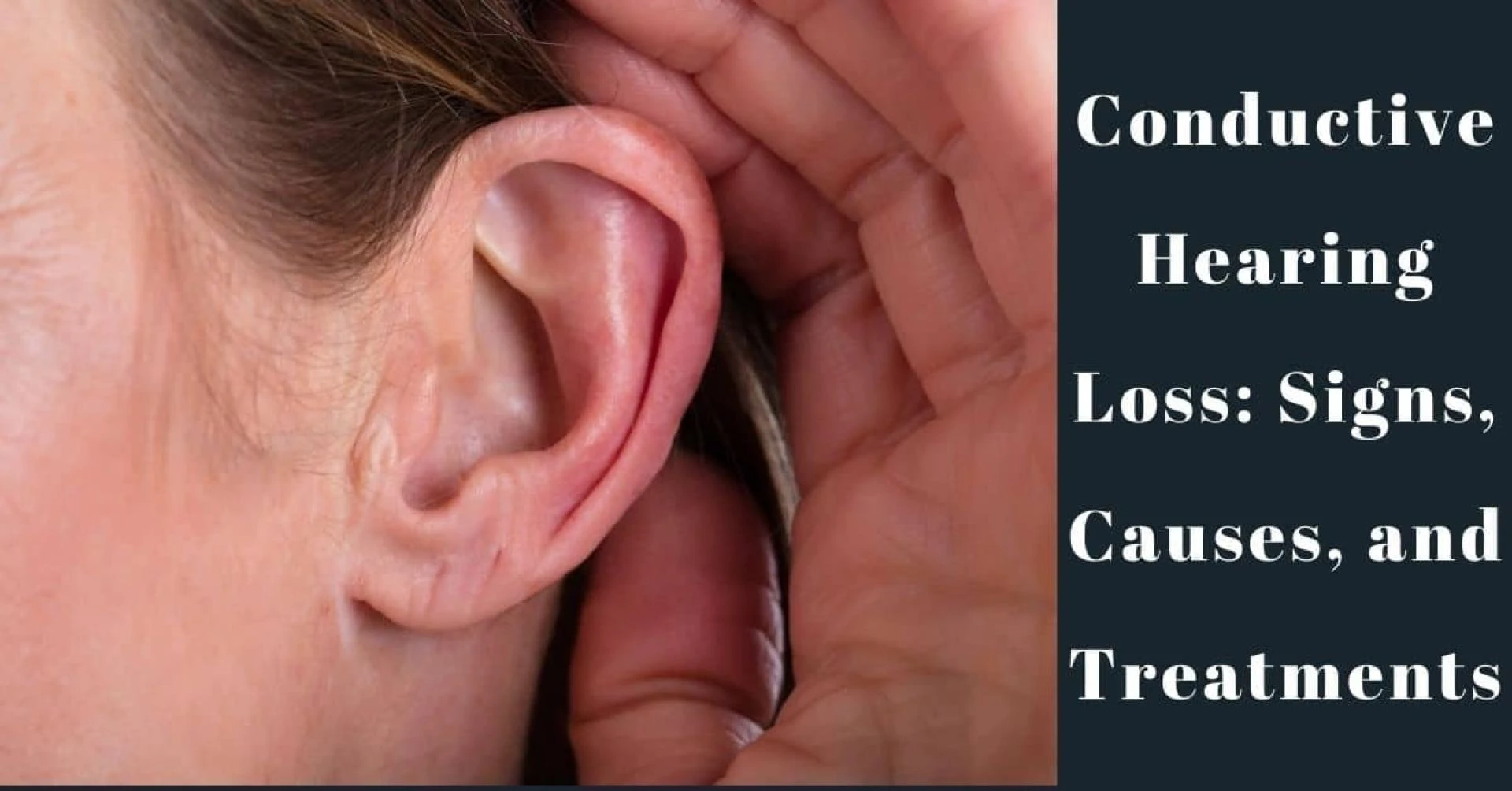
Hearing is more than just the ability to detect sounds, it’s a vital part of how we connect, communicate, and experience the world. When hearing starts to decline, the effects go far beyond the ears. Many people are unaware that hearing loss can have a deep impact on mental health, emotional well-being, and social relationships. Understanding this connection is the first step toward seeking help and improving quality of life.
The Emotional Toll of Hearing Loss
Hearing loss can be frustrating and isolating. People who struggle to hear clearly often withdraw from conversations, avoid group activities, and become more self-conscious in social settings. Over time, this can lead to emotional exhaustion and feelings of loneliness.
Research shows that individuals with untreated hearing loss are more likely to experience depression, anxiety, and low self-esteem. This happens because constant miscommunication and misunderstanding create stress. Imagine frequently asking people to repeat themselves or feeling embarrassed when you respond incorrectly, it’s exhausting both mentally and emotionally.
As a result, many individuals start avoiding social situations altogether. Family gatherings, workplace meetings, or even casual conversations can feel overwhelming. The isolation that follows can gradually damage one’s confidence and happiness.
The Link Between Hearing Loss and Cognitive Decline
Beyond emotional challenges, hearing loss also has a strong connection to cognitive health. Studies suggest that untreated hearing loss can increase the risk of memory problems and even dementia. This happens because when the brain struggles to process unclear sounds, it diverts energy away from other functions like memory and thinking.
In simpler terms, the brain works harder to “fill in the blanks,” which can lead to mental fatigue. Over time, this extra strain can affect cognitive performance. People may notice that they are forgetting things more often, feeling mentally tired, or having trouble focusing on tasks.
The good news is that early intervention can make a huge difference. Addressing hearing loss with proper diagnosis and treatment can help reduce the risk of long-term cognitive effects and improve mental clarity.
The Social Consequences of Untreated Hearing Loss
Hearing connects us to the world and the people around us. When this connection weakens, relationships can suffer. Friends and family might misinterpret a person’s withdrawal as disinterest, while the individual with hearing loss may feel misunderstood or excluded.
Social isolation is one of the most damaging outcomes of untreated hearing loss. It can lead to a cycle where isolation causes emotional distress, which then worsens the feeling of being alone. Over time, this can impact not only mental health but also physical well-being.
For older adults, social isolation has been linked to higher risks of heart disease, stroke, and cognitive decline. For younger individuals, it can lead to low self-confidence, poor work performance, and strained personal relationships.
If you or a loved one are noticing signs of hearing loss, such as frequently increasing TV volume, asking others to repeat themselves, or struggling to follow conversations, it’s essential to take action early.
Professional Support Can Make a Difference
Seeking help from an expert audiologist or a trusted hearing clinic in pala can transform both hearing and overall well-being. At a professional hearing clinic, audiologists assess the degree and cause of hearing loss using advanced diagnostic tools. Based on the evaluation, they recommend suitable hearing aids, therapy, or medical treatment.
Modern hearing aids are small, comfortable, and technologically advanced. They don’t just amplify sound—they also enhance speech clarity and reduce background noise, helping users feel confident in any environment. Early treatment improves communication, restores social connections, and brings back joy in everyday interactions.
Many patients who begin using hearing aids or undergo therapy report a noticeable boost in confidence and mood. They feel more engaged in conversations, participate actively in social gatherings, and experience less mental fatigue. In essence, restoring hearing restores connection—to oneself and to others.
Taking the First Step Toward Better Hearing and Mental Health
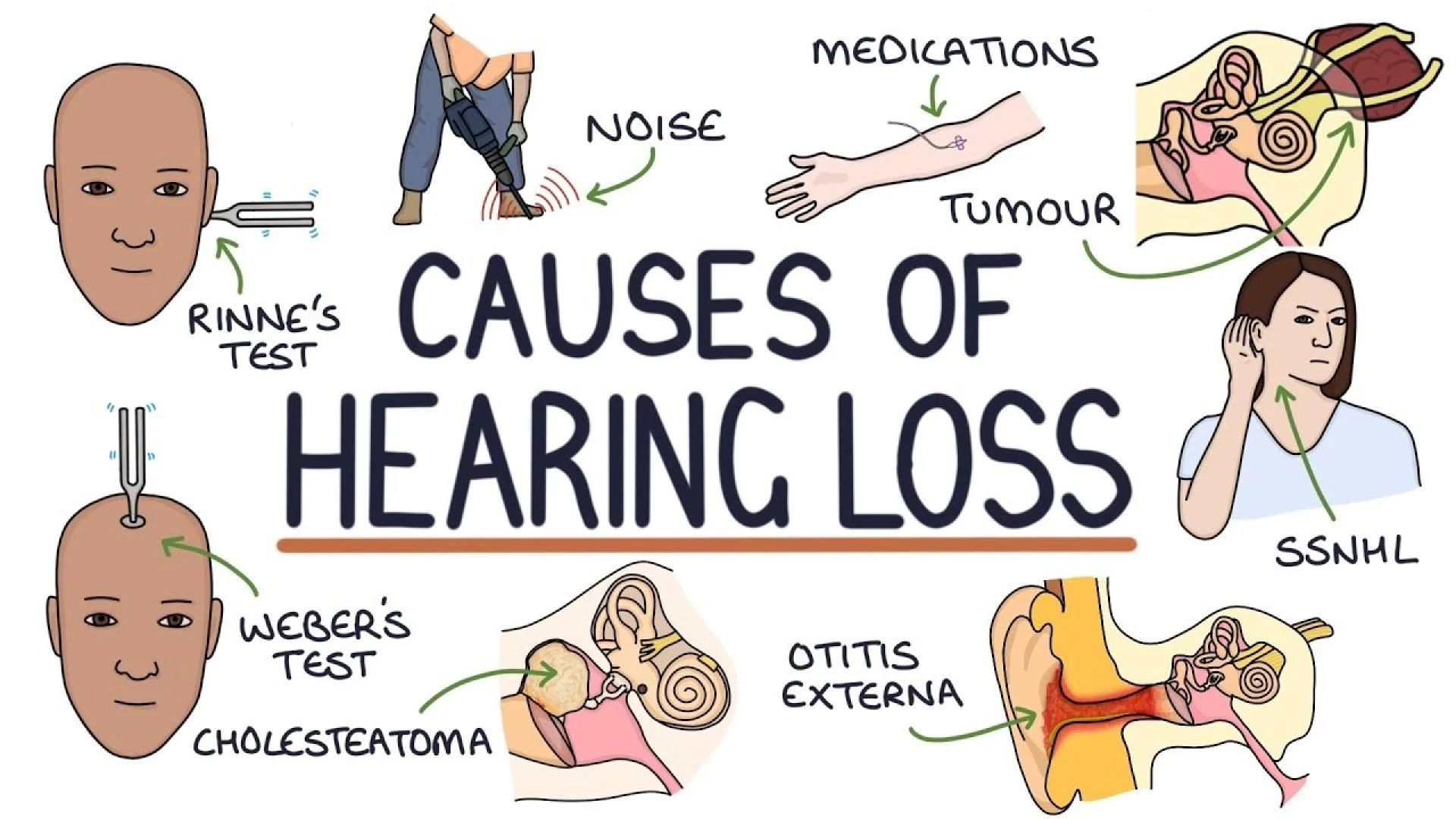
If hearing loss is affecting your life or someone you love, don’t ignore the signs. The earlier it’s diagnosed, the better the outcome. Visiting a qualified audiologist can help identify the cause, whether it’s due to aging, noise exposure, or a medical condition, and offer the best solution.
Remember, hearing health is closely tied to emotional and social well-being. Treating hearing loss not only improves communication but also enhances confidence, relationships, and mental clarity. It’s never too late to seek help and reclaim a fuller, happier life.
Take the step today schedule a consultation at your nearest hearing care center and start the journey toward better hearing, stronger connections, and a healthier mind.


























Sign in to leave a comment.