

Prostate cancer remains one of the most commonly diagnosed cancers in men worldwide. Continuous progress in oncology research has improved early detection, treatment strategies, and patient outcomes. However, the success of these advancements depends heavily on access to high-quality biospecimens. Reliable Prostate Cancer Samples, including tissue, serum, and plasma, play a crucial role in understanding disease biology and supporting the development of new therapies.
Organizations like Bay Biosciences support pharmaceutical and biotechnology research by providing ethically sourced human biospecimens that help scientists accelerate discoveries and develop targeted treatments.
The Importance of High-Quality Biospecimens in Prostate Cancer Research
Modern cancer research relies on biological samples to study the molecular mechanisms that drive tumor growth and progression. High-quality Human Prostate Cancer Tissue allows researchers to examine tumor genetics, identify biomarkers, and analyze cellular pathways that influence treatment response.
When researchers have access to well-characterized Prostate Cancer Samples, they can conduct detailed molecular profiling studies. These investigations help identify new therapeutic targets and improve the understanding of how prostate cancer evolves across different disease stages.
High-quality biospecimens also allow researchers to conduct translational studies that bridge the gap between laboratory discoveries and clinical application. This approach ultimately supports the development of innovative therapies and precision-based treatment strategies.

Supporting Early Detection and Screening Research
One of the most important areas of prostate cancer research focuses on early detection. Scientists continue to explore better diagnostic tools and biomarkers that improve the accuracy of prostate cancer screening.
Historically, the biomarker prostate specific antigen has been widely used to detect possible signs of prostate cancer. While PSA testing has helped identify many cases at earlier stages, ongoing research aims to refine screening methods to reduce false positives and improve clinical decision-making.
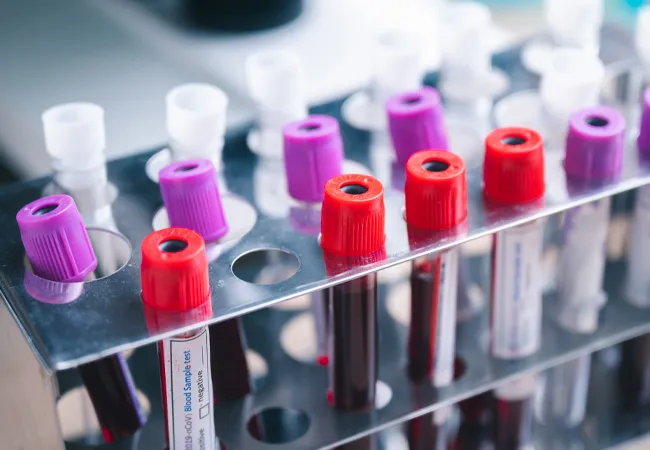
Access to high-quality blood and tissue samples enables researchers to study biomarker patterns in large patient populations. These studies help scientists develop more precise screening tools that can distinguish aggressive cancers from slow-growing tumors.
Understanding Disease Progression Across Cancer Stages
Prostate cancer does not progress in the same way for every patient. Some tumors remain localized for years, while others progress more rapidly and become more difficult to treat. Studying Prostate Cancer Samples collected from patients at different stages allows researchers to understand these variations in disease behavior.
In stage 1 prostate cancer, tumors are typically small and confined to the prostate gland. Research at this stage focuses on identifying early molecular changes that initiate tumor formation.
In stage 2 prostate cancer, tumors remain localized but may begin to grow larger or involve more of the prostate. Studying biospecimens from this stage helps researchers investigate tumor growth patterns and genetic alterations.
In stage 3 prostate cancer, the disease begins to spread beyond the prostate gland into nearby tissues. Researchers analyze tissue samples from this stage to understand mechanisms of tumor invasion and progression.
By the time patients reach stage 4 prostate cancer, the disease may have spread to distant organs such as bones or lymph nodes. Studying samples from advanced cases helps scientists identify biomarkers associated with metastasis and treatment resistance.
Comparing samples across each prostate cancer stage allows researchers to map the biological progression of the disease and identify potential therapeutic targets.
Enabling Biomarker Discovery and Precision Oncology
High-quality biospecimens play a central role in biomarker discovery. Biomarkers are measurable biological indicators that help researchers detect disease, monitor progression, and predict treatment response.
Using well-preserved Human Prostate Cancer Tissue Samples, scientists can perform genomic, transcriptomic, and proteomic analyses. These advanced technologies allow researchers to identify molecular signatures associated with different types of prostate cancer.
Such discoveries support the development of precision oncology approaches, where therapies are tailored to the genetic characteristics of individual tumors. This approach improves treatment outcomes and minimizes unnecessary side effects for patients.
Supporting Drug Development and Clinical Research
Pharmaceutical and biotech companies rely heavily on high-quality Prostate Cancer Samples to evaluate potential drug candidates. Preclinical studies often involve testing therapies on tumor tissue to assess their ability to target specific molecular pathways.
High-quality biospecimens are also critical for validating new therapeutic targets before drugs move into clinical trials. Researchers can analyze tissue samples to determine whether a drug effectively interacts with its intended target.
In addition, biospecimens collected from clinical trials help researchers monitor treatment responses and identify biomarkers that predict patient outcomes.
Reliable access to well-annotated samples ensures that drug development programs move forward efficiently and produce meaningful results.
The Role of Biospecimen Suppliers in Advancing Research
Access to high-quality samples depends on trusted biospecimen providers who follow strict ethical and scientific standards. Suppliers of fresh frozen prostate tumor biopsies play a vital role in ensuring that researchers receive well-preserved and properly documented samples.
Fresh frozen tumor tissues are particularly valuable because they preserve the molecular integrity of the sample. This allows researchers to conduct accurate genomic and molecular analyses that support biomarker discovery and drug development.
Through both prospective and retrospective collection models, biospecimen providers help ensure that researchers have access to diverse patient samples representing different disease stages and clinical backgrounds.
Advancing the Future of Prostate Cancer Treatment
The future of prostate cancer research depends on continued access to high-quality biospecimens. From improving prostate cancer screening to developing targeted therapies for stage 4 prostate cancer, biological samples remain the foundation of scientific discovery.
High-quality Human Prostate Cancer Tissue and well-characterized Prostate Cancer Samples allow researchers to explore disease biology, identify therapeutic targets, and validate new treatments.
By supporting pharmaceutical and biotechnology research with ethically sourced biospecimens, organizations such as Bay Biosciences contribute to the global effort to develop breakthrough therapies and improve outcomes for patients affected by prostate cancer.
As research continues to evolve, the collaboration between biospecimen providers, researchers, and clinicians will remain essential in accelerating innovation and advancing the next generation of prostate cancer treatments.


























Sign in to leave a comment.