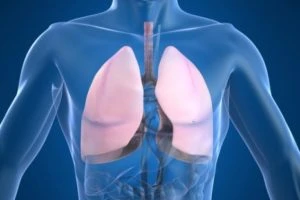

Wheezing is a common respiratory symptom characterized by a high-pitched whistling sound during breathing, typically caused by narrowed or obstructed airways. While often associated with conditions like asthma, wheezing can arise from a wide range of underlying causes, making it an important focus in biomedical research and drug development. For biotech and pharmaceutical companies, understanding What Causes Wheezing in the Lungs is critical to advancing targeted therapies and improving patient outcomes.
From a clinical and translational research perspective, wheezing is not a disease itself but a symptom linked to multiple disorders across diverse human therapeutic areas. These include respiratory diseases, inflammatory conditions, infections, and even gastrointestinal disorders. As a result, high-quality biospecimens play a vital role in uncovering the biological mechanisms behind wheezing and enabling innovation in therapeutic development.
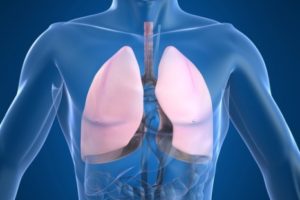
Understanding the Mechanisms Behind Wheezing
To answer the common question, “why are my lungs wheezing?”, it is essential to understand the physiological processes involved. Wheezing occurs when airflow is restricted due to inflammation, bronchoconstriction, mucus buildup, or structural abnormalities in the airways. These factors reduce the diameter of the bronchial tubes, causing turbulent airflow that produces the characteristic sound.
Several key mechanisms contribute to wheezing:
- Airway inflammation: Common in asthma and chronic obstructive pulmonary disease (COPD), leading to swelling and narrowing of air passages.
- Bronchospasm: Sudden tightening of airway muscles, often triggered by allergens or irritants.
- Excess mucus production: Blocks airflow and is frequently seen in infections or chronic respiratory conditions.
- Obstruction: Caused by foreign bodies, tumors, or structural abnormalities.
Each of these mechanisms presents unique challenges and opportunities for drug discovery, emphasizing the need for clinically relevant and well-characterized biological samples.
Common Causes of Wheezing in the Lungs
A comprehensive understanding of What Causes Wheezing in the Lungs requires examining its diverse etiologies. These causes span multiple disease categories:
1. Respiratory Conditions
Asthma remains the most well-known cause of wheezing, driven by chronic inflammation and airway hyperresponsiveness. COPD, bronchitis, and pneumonia are also significant contributors, particularly in adult populations.
2. Allergic Reactions
Exposure to allergens such as pollen, dust mites, or pet dander can trigger airway inflammation and bronchospasm, resulting in wheezing. These reactions are highly relevant for immunology-focused research.
3. Infections
Viral and bacterial infections can inflame the respiratory tract, leading to temporary wheezing. This is especially common in pediatric populations and immunocompromised individuals.
4. Gastroesophageal Reflux Disease (GERD)
An often-overlooked cause, GERD can lead to wheezing when stomach acid reflux irritates the airways. This highlights the importance of cross-disciplinary research and the value of Gastroesophageal Reflux Samples in understanding non-respiratory contributors to wheezing.
5. Environmental and Lifestyle Factors
Smoking, air pollution, and occupational exposures can damage the airways over time, increasing the risk of wheezing and chronic lung disease.
The Role of Biospecimens in Wheezing Research
For a clinical research organization or biospecimen provider, addressing the complexity of wheezing requires access to high-quality, well-annotated samples. These biospecimens—ranging from blood and plasma to tissue and bronchoalveolar lavage fluid—serve as the foundation for understanding disease mechanisms at the molecular level.
Biospecimens enable researchers to:
- Identify biomarkers associated with airway inflammation and obstruction
- Study genetic and epigenetic factors influencing respiratory diseases
- Evaluate drug responses and patient stratification strategies
- Explore connections between respiratory and non-respiratory conditions, such as GERD
The integration of samples from multiple human therapeutic areas allows for a more holistic understanding of wheezing, particularly in cases where comorbidities play a significant role.
Advancing Drug Development Through High-Quality Samples
Biotech and pharmaceutical companies rely heavily on biospecimens to accelerate drug discovery and development. In the context of wheezing, these samples support:
1. Target Identification
By analyzing patient-derived samples, researchers can identify novel molecular targets involved in airway inflammation and bronchoconstriction.
2. Biomarker Discovery
Biomarkers derived from biospecimens help in early diagnosis, disease monitoring, and treatment optimization. For example, inflammatory cytokines and immune cell profiles can provide insights into disease severity.
3. Preclinical and Clinical Research
High-quality samples are essential for validating hypotheses in preclinical studies and ensuring the success of clinical trials. A reliable clinical research organization ensures that these samples are ethically sourced and clinically annotated.
4. Personalized Medicine Approaches
Understanding why different patients respond differently to treatments is key to developing personalized therapies. Biospecimens enable stratification of patient populations based on molecular and clinical characteristics.
The Importance of Gastroesophageal Reflux Samples in Research
While respiratory samples are central to wheezing research, the inclusion of Gastroesophageal Reflux Samples provides valuable insights into the interplay between the digestive and respiratory systems. GERD-related wheezing underscores the need for interdisciplinary research approaches.
By studying these samples, researchers can:
- Investigate the role of acid reflux in airway irritation
- Identify biomarkers linking GERD and respiratory symptoms
- Develop targeted therapies that address both gastrointestinal and respiratory components
This integrated approach is particularly valuable for biotech companies aiming to innovate across multiple therapeutic domains.
Supporting Innovation with Clinically Annotated Biospecimens
For biospecimen providers, the quality and annotation of samples are critical. Detailed clinical data—such as patient history, disease severity, treatment response, and comorbidities—enhance the value of each sample, enabling more precise and impactful research.
A trusted clinical research organization ensures:
- Ethical sourcing and regulatory compliance
- Standardized collection and processing protocols
- Comprehensive clinical annotation
- Global accessibility for biotech and pharma partners
These factors collectively support the development of next-generation therapies targeting the root causes of wheezing.
Conclusion
Understanding What Causes Wheezing in the Lungs goes far beyond identifying a single condition. It requires a multidisciplinary approach that spans respiratory, immunological, and gastrointestinal research. For those asking, “why are my lungs wheezing?”, the answer may lie in a complex interplay of factors that demand advanced scientific investigation.
For biotech and pharmaceutical companies, high-quality biospecimens are indispensable tools in this journey. By leveraging clinically annotated samples across diverse human therapeutic areas, including specialized resources like Gastroesophageal Reflux Samples, researchers can unlock new insights, accelerate drug development, and ultimately improve patient care.
As innovation in respiratory and systemic disease research continues to evolve, biospecimen providers and clinical research organizations remain at the forefront enabling breakthroughs that transform how wheezing and its underlying causes are understood and treated.


























Sign in to leave a comment.