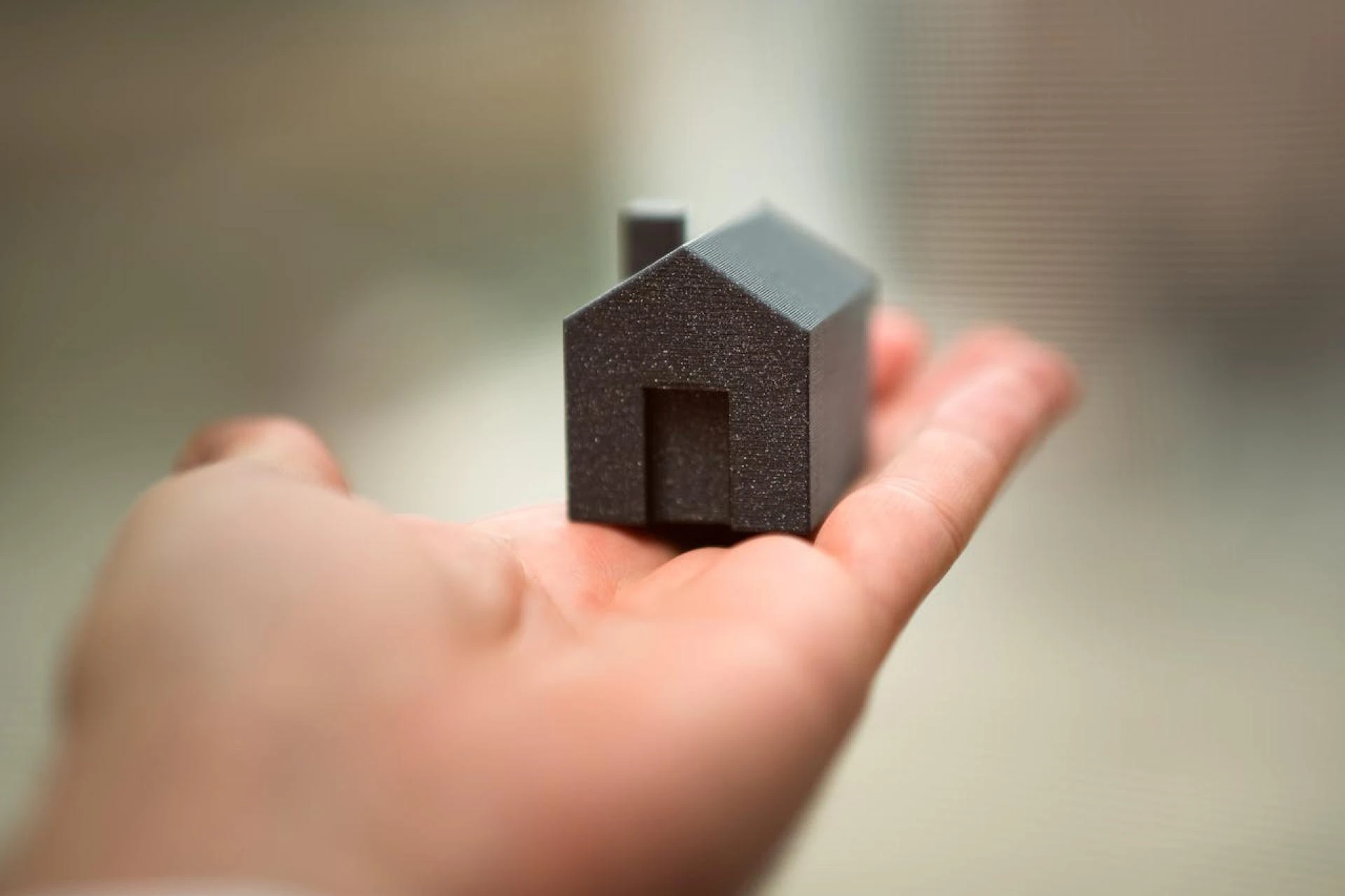

Mold damage in a home can feel overwhelming, especially when it affects health, comfort, and the integrity of the living space. Mold often develops quietly, spreading through moisture‑affected areas before homeowners realize the scope of the problem. Beyond visible damage, mold can compromise indoor air quality, weaken building materials, and create persistent odors that disrupt daily life. Recovering from mold damage requires more than surface cleaning—it demands a thoughtful, step‑by‑step approach focused on safety, remediation, and long‑term prevention. Acting without a plan can lead to recurring problems and unnecessary expense. Understanding the recovery process empowers homeowners to regain control and restore a healthy environment. With the right actions, mold damage recovery is achievable and lasting.
Confirm the Extent of Mold Damage Thoroughly
The first step in recovery is understanding how extensive the mold damage truly is. Mold rarely remains isolated to what is visible and often spreads into walls, flooring, insulation, and ventilation systems. Homeowners should observe whether discoloration, musty odors, or damp materials exist in areas beyond the initial discovery. Air quality symptoms such as coughing, headaches, or irritation may signal broader contamination. Professional assessment is often necessary to locate hidden mold using moisture meters, air sampling, and thermal imaging. Complete understanding prevents partial repairs that allow mold to return. Accurate assessment lays the foundation for effective recovery.
Prioritize Safety and Limit Exposure Immediately
Protecting household members should be the first concern during mold recovery. Mold spores released into the air can cause respiratory issues and allergic reactions, especially for children, seniors, and individuals with asthma. Areas affected by mold should be closed off to prevent exposure while assessment is underway. Avoid disturbing visible mold or dry materials, as this releases spores. If necessary, temporarily relocating occupants reduces health risks during remediation. Protective measures such as masks and gloves are recommended for unavoidable entry. Safety precautions ensure recovery does not create additional harm.
Identify and Resolve the Source of Moisture
Successful mold recovery depends on eliminating the conditions that allowed mold to grow. Moisture sources such as plumbing leaks, roof damage, condensation, or poor ventilation must be identified and corrected. Without moisture control, mold will continue to develop even after cleanup. Inspections may reveal hidden issues in wall cavities, crawl spaces, or attics. Addressing drainage problems and fixing leaks prevents repeated contamination. Dehumidification and improved ventilation help maintain safe humidity levels. Moisture resolution is a critical step in permanent recovery.
Remove Contaminated Materials Carefully
Materials affected by mold damage often require careful evaluation to determine what can be salvaged. Porous items such as drywall, insulation, carpet padding, and upholstered furniture typically need removal if contaminated. Non‑porous materials may be cleaned and restored under the right conditions. Removal must be done using containment methods to prevent spore spread throughout the home. Improper removal increases exposure and contamination. Professionals follow strict protocols to isolate affected areas during removal. Safe material handling supports complete recovery.
Use Professional Mold Remediation Services When Needed
Mold recovery often requires professional remediation to ensure safety and effectiveness. A qualified Ontario restoration company can assess damage, establish containment, and remove mold using specialized equipment. Professionals use HEPA filtration, air scrubbers, and antimicrobial treatments not available to homeowners. Their expertise ensures hidden mold is eliminated and surfaces are properly sanitized. Professional remediation also includes post‑treatment testing to confirm the environment is safe. Attempting large‑scale remediation without training frequently leads to recurring problems. Expert support increases recovery success and prevents costly future damage.
Thoroughly Clean and Restore Indoor Air Quality
After mold removal, cleaning and air quality restoration are essential. Mold spores remain airborne during remediation and can settle in other areas if not addressed. Professional air filtration removes lingering spores and particles from the environment. HVAC systems should be inspected and cleaned to prevent recirculation of contaminants. Surfaces throughout the home may require cleaning, even if they show no visible mold. Restoring indoor air quality directly impacts comfort and health. Clean air ensures recovery is truly complete.
Repair and Rebuild Affected Areas in the Correct Order
Reconstruction should begin only after remediation and drying are confirmed complete. Replacing drywall or flooring too soon risks trapping moisture and causing mold to return. Structural repairs should precede cosmetic finishes to ensure integrity. Electrical and plumbing systems should be inspected before walls are sealed. Finishing work such as painting, trim installation, and flooring comes last. Coordinated reconstruction prevents rework and wasted materials. Sequenced repairs contribute to long‑term stability.
Monitor the Home Closely After Restoration
Recovery from mold damage does not end immediately after repairs. Ongoing monitoring helps detect early signs of recurrence. Watch for musty odors, discoloration, or unexplained health symptoms. Maintain indoor humidity at safe levels using ventilation or dehumidifiers. Inspect previously affected areas periodically, especially during seasonal humidity changes. Responsive monitoring prevents small issues from becoming major problems again. Vigilance protects the investment made during recovery.
Prevent Future Mold Growth Through Maintenance
Long‑term recovery involves preventing future mold conditions. Regular plumbing and roofing inspections help detect leaks early. Keeping gutters clean and directing water away from foundations reduces moisture intrusion. Proper insulation minimizes condensation on interior surfaces. Routine HVAC maintenance supports air circulation and moisture control. Homeowners should also respond quickly to spills or leaks. Preventive habits protect indoor health and structural integrity.
Understand the Emotional Impact of Mold Damage
Mold damage recovery affects emotional wellbeing as well as physical space. Homeowners may experience stress, anxiety, or frustration during the process. Acknowledging this impact is important for recovery. Breaking the restoration process into steps provides a sense of progress and control. Seeking support from professionals and family reduces emotional burden. Clear communication and realistic timelines help set expectations. Emotional resilience supports smoother recovery.
Protect Property Value and Future Resale Potential
Unresolved mold damage can affect property value and future disclosures. Professional remediation and documentation protect resale credibility. Buyers are more confident when mold issues have been addressed correctly. Keeping records of assessments, remediation, and repairs supports transparency. Complete recovery restores the home’s livability and reputation. Preventing recurrence safeguards long‑term value. Proper mold recovery is an investment in the home’s future.
Prepare for Future Moisture‑Related Emergencies
Learning from mold damage helps homeowners prepare better for future incidents. Installing water sensors or leak alarms provides early warnings. Knowing where shut‑off valves are located reduces response time. Having a plan for moisture emergencies prevents panic. Preventive readiness strengthens resilience. Preparation reduces future stress and damage. Recovery brings valuable lessons.
Conclusion
Recovering from mold damage requires patience, planning, and informed action. Safety, assessment, and moisture control form the foundation of successful restoration. Professional remediation ensures contamination is eliminated thoroughly and safely. Clean air, proper repairs, and ongoing monitoring protect long‑term health and comfort. Preventive maintenance reduces future risk. Mold recovery is achievable with the right approach. By taking decisive steps, homeowners can restore both their homes and peace of mind.



























Sign in to leave a comment.