

Have you ever considered how much energy your home consumes daily? The energy efficiency of a home not only affects your monthly utility bills but also contributes to your overall comfort and environmental footprint. If your home is outdated or inefficient, you might be paying more than you should for heating, cooling, and electricity. Luckily, improving your home’s energy efficiency doesn’t always require a major overhaul – simple house renovation projects can make a big difference.
Whether you’re preparing to sell, want to reduce your carbon footprint, or simply want to save on monthly energy costs, energy-efficient renovations are a smart investment. In this article, we’ll explore how house renovation can significantly improve your home’s energy efficiency, leading to lower energy bills, enhanced comfort, and a better living environment.
Understanding Energy Efficiency in a Home
Before diving into the specific ways a house renovation can improve energy efficiency, it’s important to first understand what energy efficiency means in the context of a home. Energy efficiency refers to the ability of your home to use energy in a way that minimizes waste and reduces unnecessary consumption. In practical terms, it means making sure your heating, cooling, and electricity systems are functioning optimally, and your home is designed in a way that prevents energy loss.
For example, an energy-efficient home will retain heat during the winter and stay cool in the summer, without relying too much on heating or air conditioning. This can be achieved through proper insulation, sealing leaks, and upgrading old windows, among other improvements.
Energy-efficient homes also incorporate sustainable technologies and appliances that use less energy to perform the same tasks as older models. Renovations focusing on energy efficiency help make your home more comfortable while lowering long-term utility costs.
Insulation: The Foundation of Energy Efficiency
One of the most significant areas where house renovation can improve energy efficiency is insulation. Proper insulation is key to maintaining a comfortable indoor temperature and reducing the workload on your heating and cooling systems. Without proper insulation, your home is prone to energy loss, especially through the roof, walls, and floors.
If your home is lacking insulation or the existing insulation is outdated, you could be wasting energy and money. Renovating to improve insulation, whether in the attic, walls, or floors, can have an immediate impact on energy efficiency.
Upgrading your home’s insulation reduces the amount of heat that escapes during the winter and prevents heat from entering during the summer. It also helps reduce drafts, keeping your living spaces more comfortable year-round.
Windows and Doors: Energy-Efficient Upgrades
Old windows and doors are notorious for letting in drafts and allowing heated or cooled air to escape. This forces your heating and cooling systems to work harder, which increases energy consumption and raises your utility bills. If your windows and doors are outdated or poorly sealed, upgrading them can make a significant difference in your home’s energy efficiency.
Energy-efficient windows are designed to provide better insulation and reduce the amount of heat lost in the winter and gained in the summer. These windows typically feature double-glazed glass, a sealed air pocket between the panes, and low-emissivity (Low-E) coatings that reflect heat. Replacing old windows with energy-efficient options can reduce your energy bills by up to 25%.
Similarly, upgrading your doors to energy-efficient models can also help prevent energy loss. Look for doors with insulating cores or models with weather-stripping to prevent drafts.
HVAC Systems: Upgrade for Efficiency
Heating, ventilation, and air conditioning (HVAC) systems account for a significant portion of your home’s energy consumption. Older HVAC units, while functional, tend to consume more energy than modern, energy-efficient models. During a house renovation, upgrading or replacing your HVAC system is one of the most impactful changes you can make to improve energy efficiency.
Modern HVAC systems are designed to be more energy-efficient, meaning they use less energy to heat and cool your home. They also come equipped with better air filters that improve indoor air quality and reduce the workload on the system. A well-maintained HVAC system, coupled with proper insulation, will ensure your home stays at a comfortable temperature while keeping energy consumption to a minimum.
If replacing the entire system is not in your budget, consider smaller upgrades like installing a programmable thermostat. This allows you to control the temperature of your home based on your schedule, preventing unnecessary heating or cooling when you’re not home.
Energy-Efficient Appliances: Cutting Down on Energy Use
Old, inefficient appliances can significantly increase your energy usage and costs. When renovating your home, it’s a good idea to replace outdated appliances with energy-efficient versions. This includes kitchen appliances like refrigerators, dishwashers, and ovens, as well as laundry machines such as washers and dryers.
Energy-efficient appliances are designed to use less energy while still providing the same level of performance. Look for appliances with the ENERGY STAR label, which indicates that they meet strict energy efficiency standards set by the U.S. Environmental Protection Agency (EPA). While these appliances may have a higher upfront cost, they often pay for themselves in savings on energy bills over time.
Additionally, if your water heater is old, upgrading to a more energy-efficient model, such as a tankless water heater, can save both energy and space in your home.
Solar Power: A Sustainable Energy Source
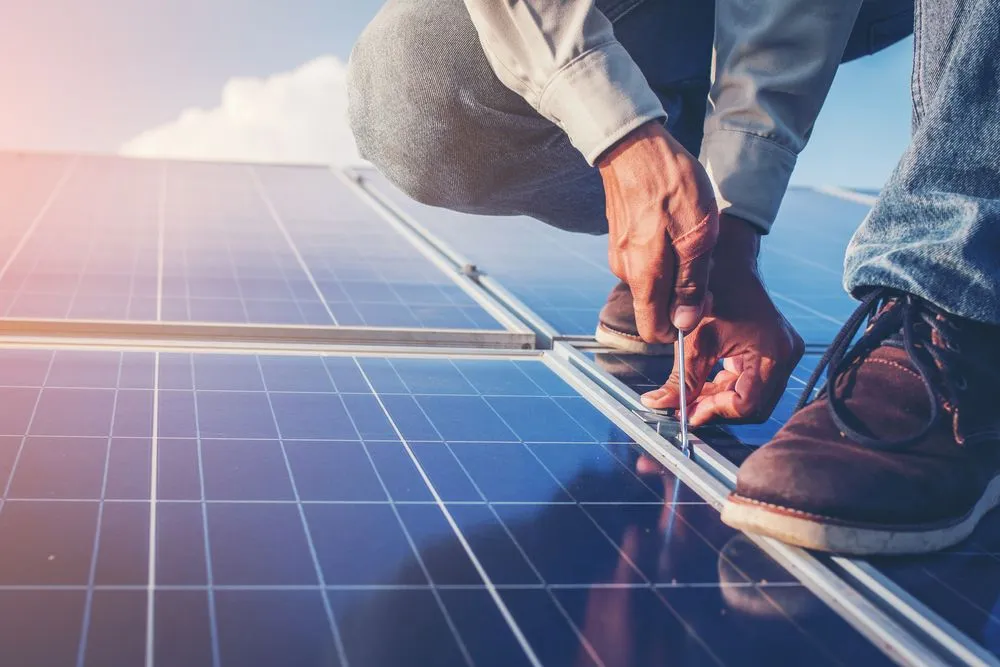
If you’re looking to make a long-term impact on your home’s energy efficiency, consider installing solar panels. Solar energy is a renewable energy source that can significantly reduce your reliance on traditional electricity from the grid. Although solar panel installation can be a significant investment, it’s an excellent option for improving your home’s energy efficiency and reducing your carbon footprint.
Solar panels work by capturing sunlight and converting it into electricity to power your home. If your home generates more electricity than you need, the excess energy can often be sold back to the grid. This not only reduces your energy bills but can even generate income, making it a worthwhile investment in the long run.
While the initial cost of solar panels can be high, there are often incentives, rebates, and tax credits available to help offset the costs. Many homeowners who install solar panels find that they make a significant difference in their energy consumption and overall energy bills.
Smart Home Technology: Automating Energy Efficiency
Smart home technology is another great way to improve your home’s energy efficiency. By integrating various smart devices into your home, you can monitor and control your energy usage more effectively. Smart thermostats, for example, allow you to adjust the temperature of your home remotely, ensuring that energy is only used when needed. Additionally, smart lighting systems can be programmed to turn off lights when they are not in use.
Home automation systems also enable you to track energy usage and identify areas where you might be wasting energy. This can provide valuable insights that help you make smarter decisions about how to conserve energy in your home.
Seal Leaks and Gaps: Preventing Energy Loss
Many homes have hidden leaks and gaps around windows, doors, and walls that can lead to significant energy loss. Air leaks make it harder for your heating and cooling systems to maintain a comfortable temperature, causing them to work harder and use more energy.
During your house renovation, it’s important to seal any leaks and gaps to improve energy efficiency. Sealing cracks around windows, doors, and pipes, and using weatherstripping or caulking, can prevent cold drafts in the winter and keep cool air inside during the summer. This simple but effective step can make your home much more energy-efficient.
The Financial Benefits of Energy-Efficient Renovations
While energy-efficient renovations often come with an upfront cost, they can save you a significant amount of money over time. The energy savings from improving insulation, upgrading windows and doors, and replacing inefficient appliances can lead to lower monthly utility bills.
Additionally, many energy-efficient renovations are eligible for tax credits or rebates, further offsetting the cost of the upgrades. And, as energy-efficient homes become increasingly desirable in the real estate market, you may find that these renovations increase the value of your home if you decide to sell.
Conclusion: Investing in a Greener, More Efficient Home
A house renovation focused on improving energy efficiency is a wise investment for any homeowner. By making small, strategic changes, you can significantly reduce your energy consumption, lower your utility bills, and increase the overall comfort of your home. Whether it’s upgrading insulation, installing energy-efficient windows, or embracing smart home technology, these renovations pay off in the long run.
Not only do these improvements contribute to a more sustainable lifestyle, but they can also make your home more attractive to potential buyers in the future. As more homeowners seek energy-efficient options, making the decision to invest in these renovations now will benefit you in the years to come.
FAQs
1. How can I improve my home’s energy efficiency without spending a lot of money? Start by upgrading insulation, sealing leaks around windows and doors, and replacing inefficient light bulbs with LED options. These low-cost improvements can make a big difference.
2. Are there any financial incentives for energy-efficient home renovations? Yes, many energy-efficient upgrades qualify for government tax credits, rebates, or other incentives. Be sure to check local programs to find out what’s available.
3. Will replacing my windows really lower my energy bills? Yes, energy-efficient windows can significantly reduce energy loss by providing better insulation and reducing the need for heating or cooling.
4. How much can I save on energy bills with a home renovation? The savings vary depending on the renovations made, but homeowners often see a reduction of 10-30% in energy costs after implementing energy-efficient upgrades.

























Sign in to leave a comment.