Humidity control is an essential factor in effective crawl space mold remediation. Mold thrives in moist environments, and controlling humidity helps to eliminate the conditions that allow mold to grow. By addressing both humidity and mold in a coordinated approach, property owners can safeguard their homes against future mold issues and ensure the longevity of their crawl space's structural integrity.
In this article, we will explore how humidity control works hand-in-hand with mold remediation, offering detailed insights into methods, considerations, and FAQs. This will provide property owners with the knowledge to make informed decisions when addressing moisture-related issues in crawl spaces.
Importance of Humidity Control in Mold Remediation
Mold remediation aims to remove existing mold, but without controlling the humidity levels in the crawl space, the problem is likely to recur. High humidity levels lead to excessive moisture, which creates the ideal breeding ground for mold and mildew. The most effective remediation plans incorporate humidity control to prevent future mold growth and ensure that the area remains dry.
The relationship between humidity and mold is straightforward: when the relative humidity in a space exceeds 60%, mold can begin to form on organic materials such as wood, insulation, and drywall. Therefore, reducing the humidity is crucial in preventing mold from returning after the remediation process.
Types of Humidity Control Methods
There are various methods of controlling humidity in crawl spaces, each suited for different conditions and needs. Below are the most common methods used:
Dehumidifiers
Dehumidifiers are commonly used in both residential and commercial spaces to reduce humidity levels. These devices work by pulling in moist air, removing the water, and releasing dry air back into the room.
Ventilation Fans
Ventilation fans are often used to promote airflow and reduce humidity levels. These systems work by pulling in dry air from outside and expelling moist air from the crawl space. While less expensive and easier to install than dehumidifiers, they are less effective in areas with high moisture or where the external air is humid.
Crawl Space Encapsulation
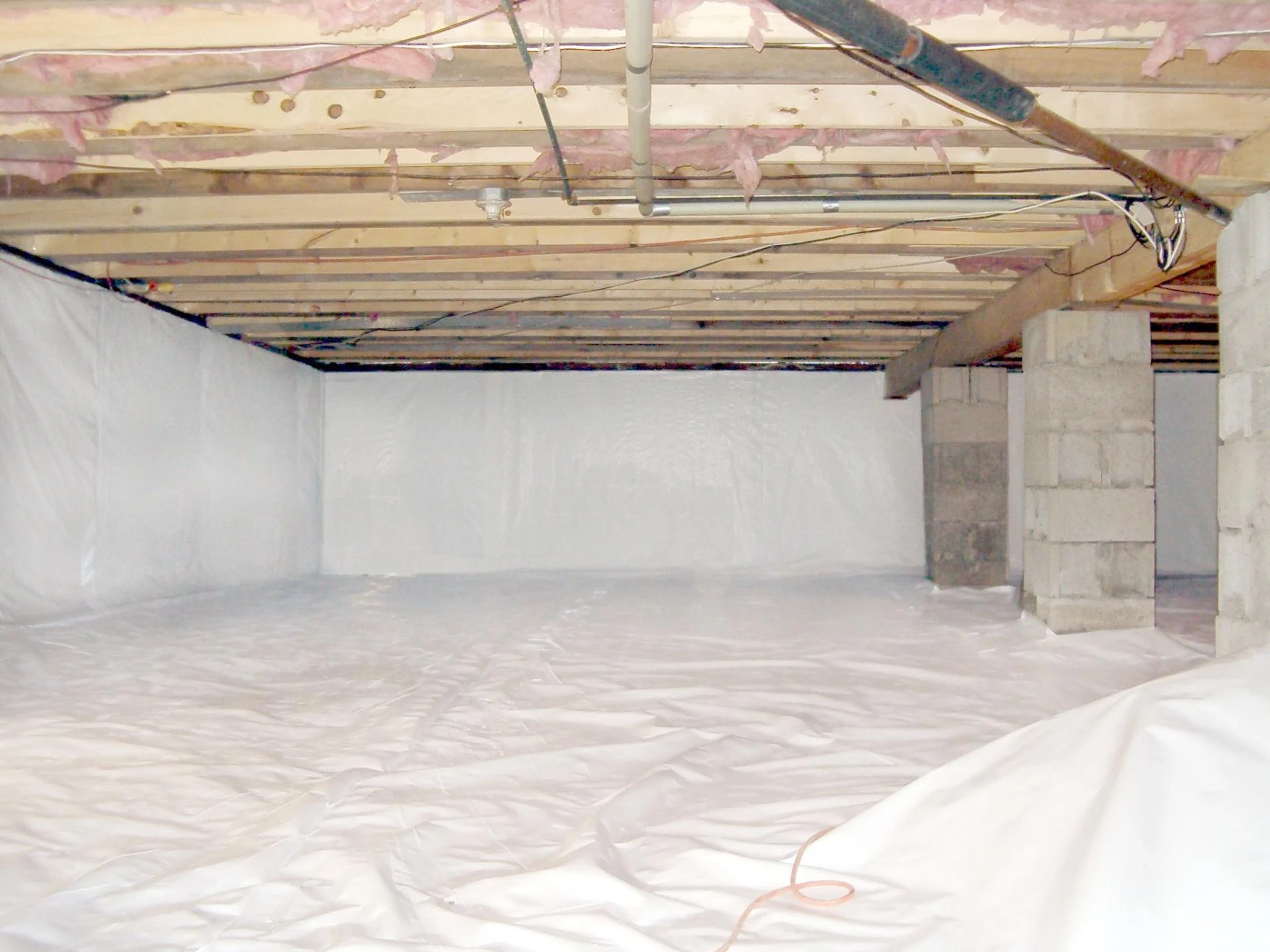
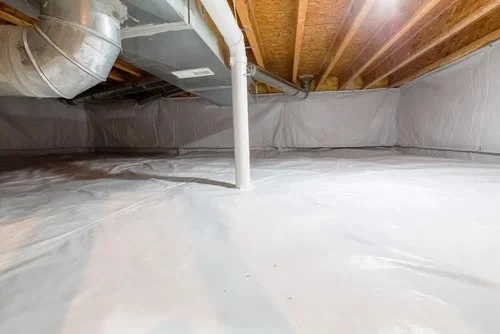
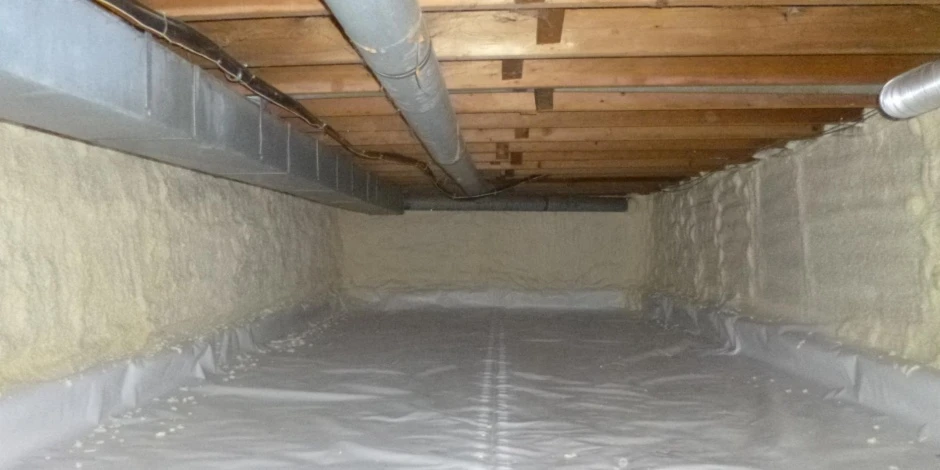
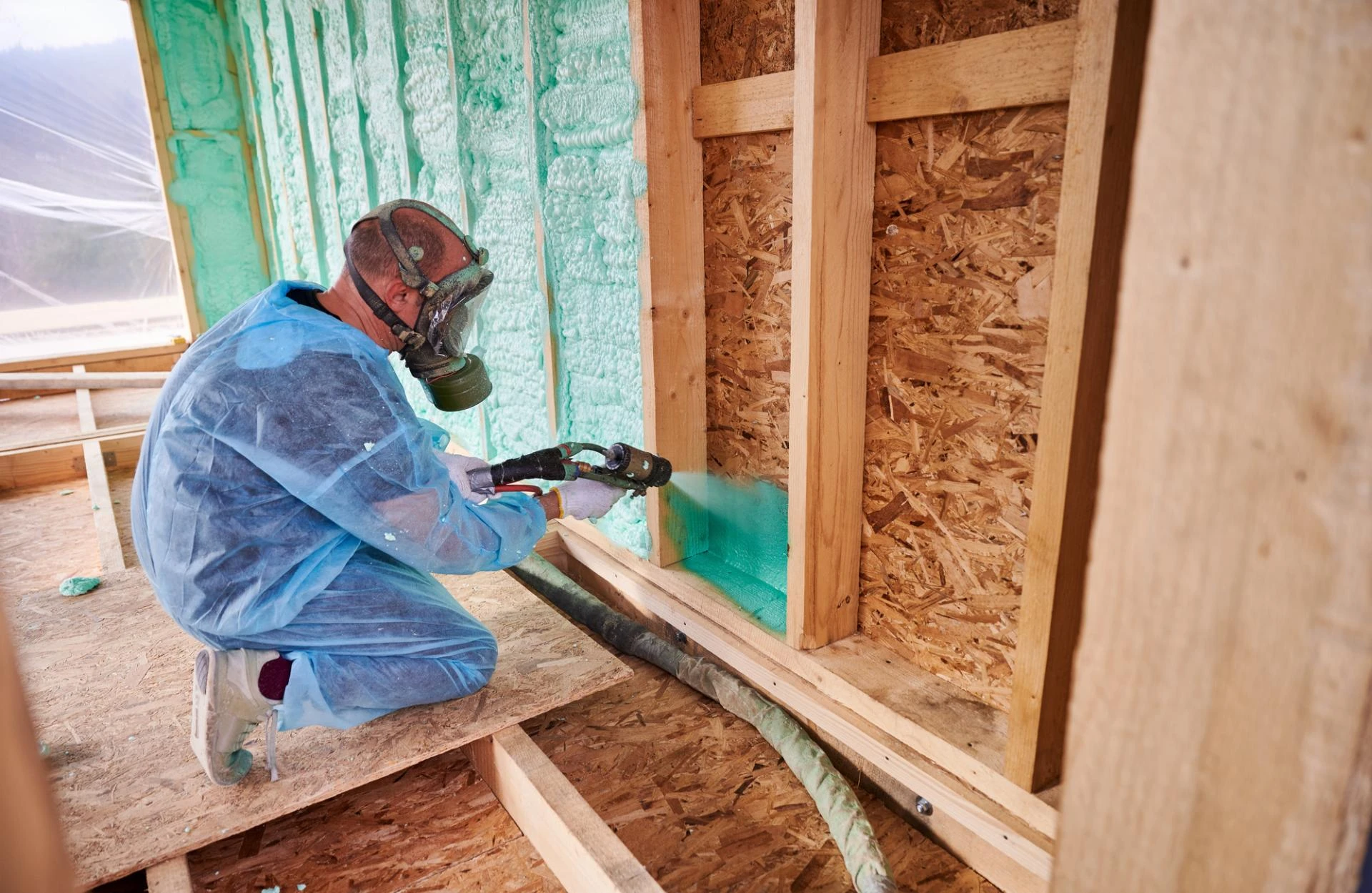
Encapsulation involves sealing off the crawl space from the outside environment by installing vapor barriers, insulating the walls, and ensuring that the space remains dry. This is a long-term solution that prevents humidity from entering the space, though it comes with a higher upfront cost.
The Process of Humidity Control in Mold Remediation
Humidity control plays a key role in the mold remediation process. Here is a step-by-step outline of how humidity control complements mold removal efforts:
Step 1: Inspection and Assessment
Before beginning any mold remediation efforts, it’s essential to conduct a thorough inspection. This will help identify the sources of moisture and assess the severity of the mold problem. During this phase, the humidity levels in the crawl space should also be measured to determine if humidity control is needed.
Step 2: Mold Removal
Once the inspection is complete, mold remediation typically involves physically removing visible mold growth. This may include cleaning surfaces, removing moldy materials, or using specialized cleaning agents to treat affected areas.
Step 3: Humidity Control Installation
After mold removal, humidity control methods should be installed to prevent future growth. The most effective approach often involves the installation of a dehumidifier or encapsulation system. These solutions work to maintain optimal humidity levels (below 60%) in the crawl space.
Step 4: Regular Maintenance
Humidity control systems must be regularly maintained to ensure their continued effectiveness. This includes checking and replacing filters, cleaning dehumidifiers, and monitoring humidity levels to ensure they remain within a safe range.
Things to Consider Before Making a Decision
Before choosing a humidity control method for your crawl space, several factors must be considered to ensure the most effective and cost-efficient solution:
- Size of the Crawl Space: Larger crawl spaces may require more powerful dehumidifiers or an encapsulation system, while smaller spaces can often benefit from simple ventilation fans.
- Climate Conditions: Areas with high ambient humidity may benefit more from dehumidifiers or encapsulation systems, as ventilation alone may not provide sufficient moisture control.
- Budget: Dehumidifiers and ventilation fans are generally more affordable upfront, while encapsulation systems are a more expensive, but long-term, solution.
- Energy Efficiency: Consider the long-term energy costs associated with each method. Encapsulation systems tend to be more energy-efficient since they prevent moisture from entering in the first place.
Make the Right Decision
Choosing the right humidity control method is crucial for effective crawl space mold remediation. By considering factors such as space size, climate, and budget, you can select a solution that will not only eliminate current mold issues but also prevent them from recurring. Ensure that you continue regular maintenance to keep your crawl space dry and free of mold in the long term.
Common Questions
Why is humidity control important after mold remediation?
Humidity control prevents the recurrence of mold growth by reducing moisture in the crawl space. This is essential because mold thrives in moist conditions.
How do I know if I need a dehumidifier in my crawl space?
If the relative humidity in your crawl space is consistently above 60%, a dehumidifier will help maintain optimal humidity levels and prevent mold growth.
Can I use a ventilation fan instead of a dehumidifier?
Ventilation fans can be effective, but they may not be sufficient in areas with high humidity or for larger crawl spaces. Dehumidifiers are more effective in removing excess moisture.
How long does it take for humidity control to reduce mold growth?
It depends on the severity of the mold issue, but with proper humidity control, mold growth can be minimized or eliminated within a few weeks to a few months after remediation.
Bonus Tips for Effective Humidity Control
Tip 1: Install a Hygrometer
Use a hygrometer to regularly monitor the humidity levels in your crawl space. Keeping track of humidity can help you ensure the space stays below 60% relative humidity, preventing future mold growth.
Tip 2: Seal Entry Points
Ensure that all vents and cracks in the crawl space are properly sealed. This helps prevent moist air from entering the space and contributes to maintaining stable humidity levels.
Tip 3: Regular Inspections
Conduct regular inspections of the crawl space to check for any signs of mold growth, water infiltration, or excessive moisture. This will allow you to address any issues early on before they escalate.
FAQ
What is the best humidity control method for crawl spaces?
The best method depends on the size of the space, local climate, and budget. Dehumidifiers and encapsulation systems are the most effective long-term solutions.
Can I install a humidity control system myself?
Some systems, like ventilation fans, are easy to install yourself. However, for more complex solutions like dehumidifiers or encapsulation, it’s recommended to hire a professional for mold remediation.
How do I prevent future mold growth in my crawl space?
Regular maintenance of your humidity control system, sealing entry points, and monitoring humidity levels will help prevent mold growth in the future.
What are the signs that I need humidity control in my crawl space?
Signs include musty odors, visible mold growth, excessive moisture, or a consistent humidity level above 60% in your crawl space.




Sign in to leave a comment.