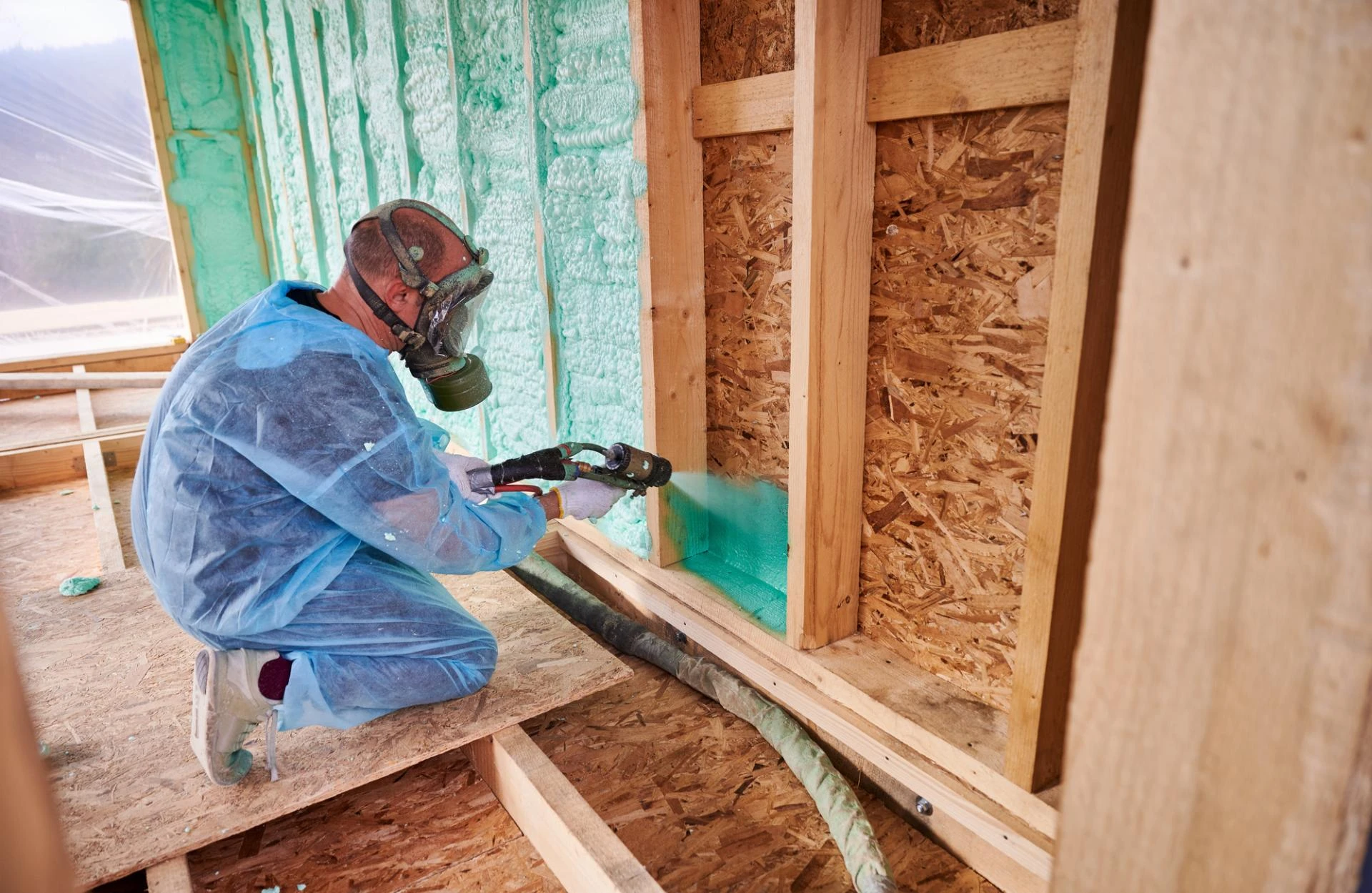

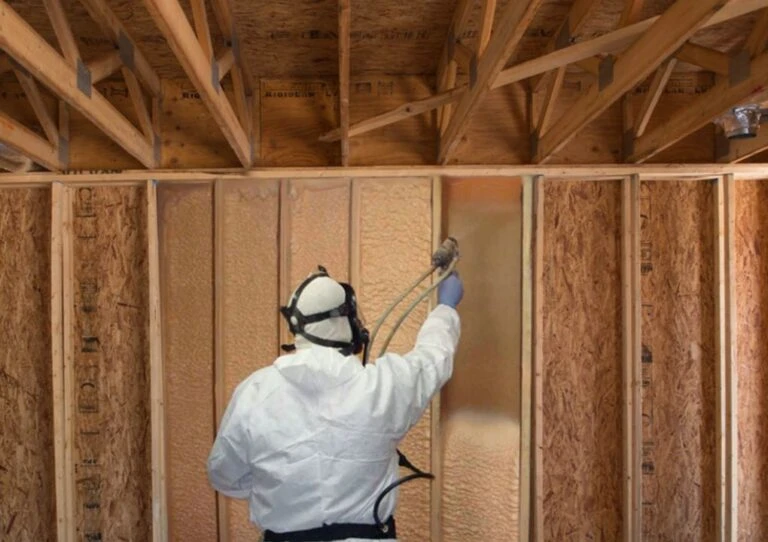
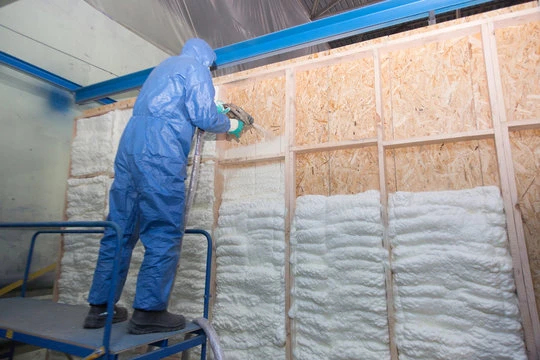
Modern living in Raleigh demands more than just basic shelter; it requires an environment that remains comfortable, healthy, and energy-efficient, even amid the region's fluctuating weather. Spray Foam Insulation complements these contemporary standards by providing a dual-function solution that insulates and air-seals simultaneously, addressing the primary causes of energy waste and discomfort in North Carolina properties. Unlike traditional materials that eventually settle or allow drafts, spray foam creates a continuous thermal envelope, stabilizing indoor temperatures and reducing the workload on heating and cooling systems.
Property owners often struggle to maintain consistent comfort levels due to the inherent weaknesses of older construction methods. This guide examines how advanced insulation technology integrates with modern building expectations, offering a comprehensive look at how air sealing transforms residential and commercial spaces. Drawing on years of industry observation, the following sections outline the practical benefits of upgrading the thermal shell to meet current efficiency standards.
Adapting to Raleigh's Climate Demands
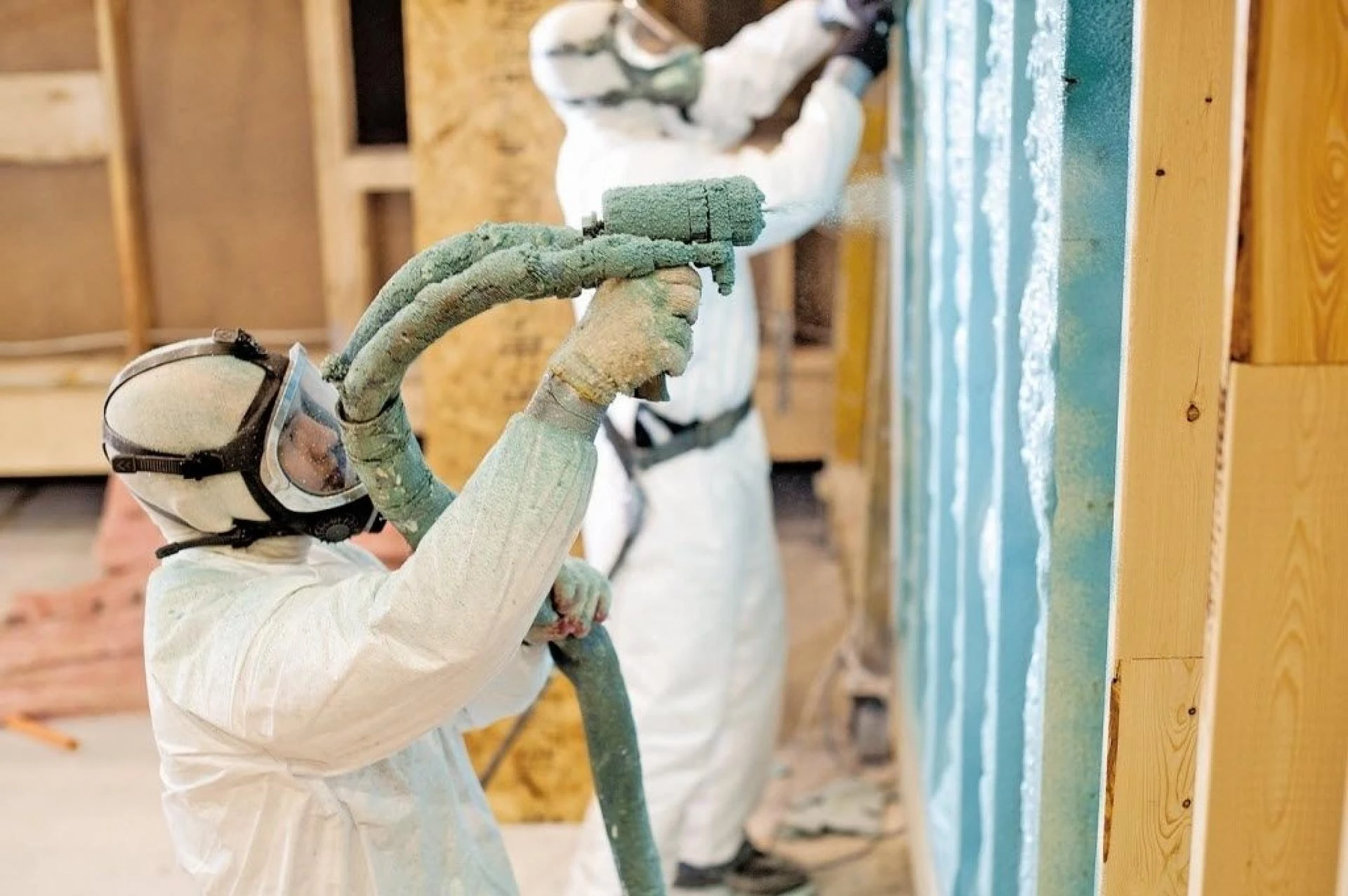
North Carolina presents a unique challenge for building owners because it sits in a mixed-humid climate zone. This means structures must handle significant humidity during the long, hot summers while also retaining heat during the brisk winter months. Standard fiberglass batts often fail to address the movement of moisture-laden air, which can lead to condensation issues inside wall cavities and attics.
Managing Moisture and Humidity
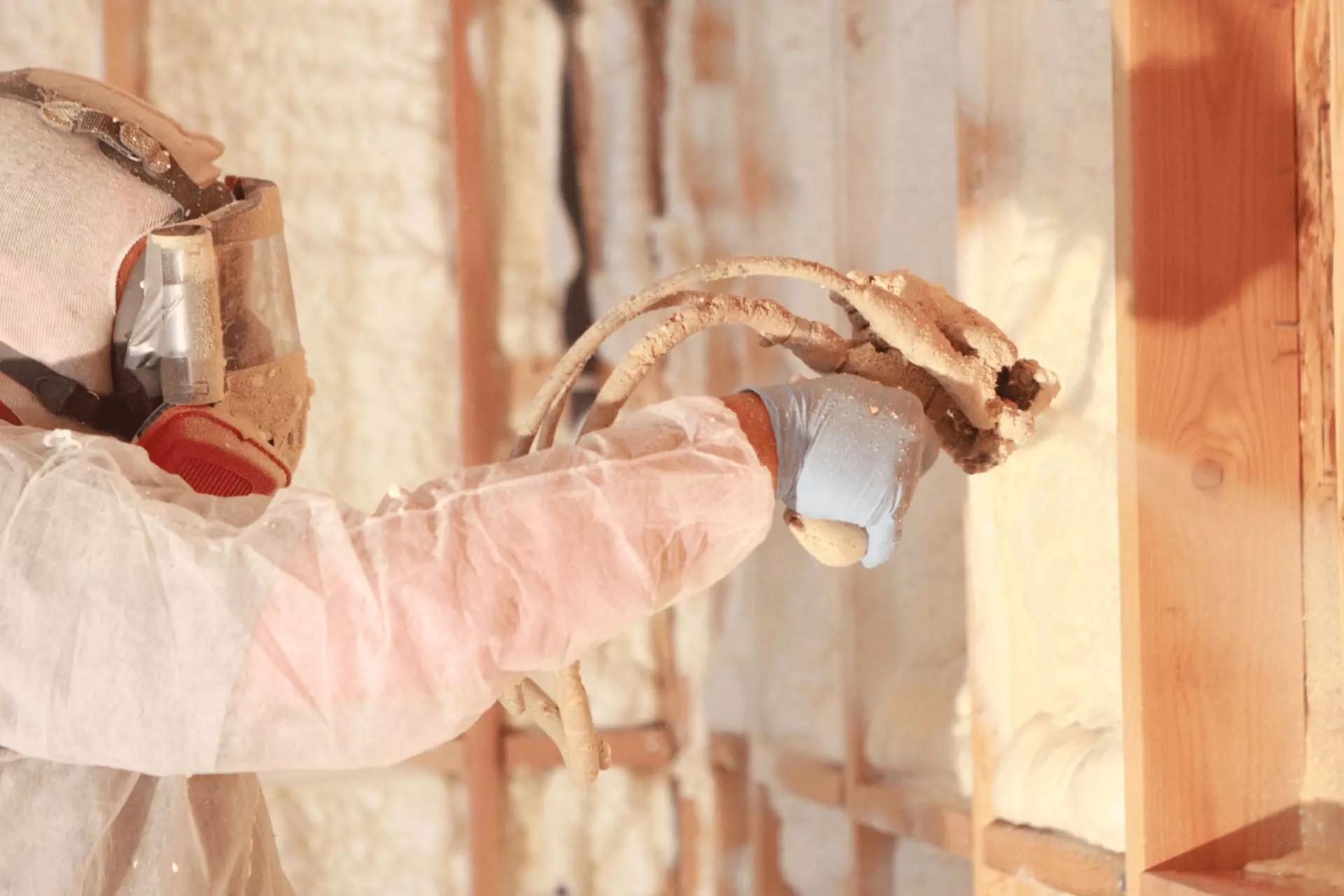
Controlling indoor humidity helps prevent mold growth and protect the building's structural integrity. When warm, moist air from the outside infiltrates a home, it forces the air conditioning system to work harder to dehumidify the space. Spray foam insulation adheres tightly to building materials, sealing the tiny cracks and crevices where moisture intrusion occurs.
The Role of Air Sealing
An actual air barrier prevents uncontrolled airflow between the indoors and outdoors. This is distinct from simple thermal resistance, or R-value, which only measures how well a material slows down heat transfer.
- Draft reduction: Sealing the envelope eliminates cold spots around windows and at floor level.
- Pollutant control: An airtight seal keeps dust, pollen, and outdoor allergens from entering.
- Pest deterrence: Closing gaps removes entry points for insects and small rodents.
Bonus Tip: Checking Humidity Levels
Property owners can monitor indoor relative humidity to gauge the effectiveness of their current insulation. If indoor humidity consistently exceeds 50% during the summer despite air conditioning running, it often indicates significant air leakage in the building envelope.
Long-Term Structural Protection
By preventing moisture from reaching the house's wooden framing, spray foam reduces the risk of rot and degradation. This protection extends the lifespan of the property's bones, ensuring that the investment remains sound for decades to come.
Modern Efficiency Standards for Homes and Businesses
Today’s building codes and occupant expectations place a higher premium on energy performance than ever before. Rising utility costs drive the need for more innovative solutions that reduce monthly overhead without sacrificing comfort. High-performance insulation serves as the foundation for any energy-efficient strategy, allowing other systems to operate at peak potential.
Impact on HVAC Performance
Heating and cooling equipment accounts for the largest share of energy consumption in most Raleigh properties. When the thermal envelope leaks, these systems must run longer and more frequently to maintain the set temperature. A well-insulated building allows the HVAC system to cycle less often, extending its operational life and lowering maintenance requirements.
Reducing System Load
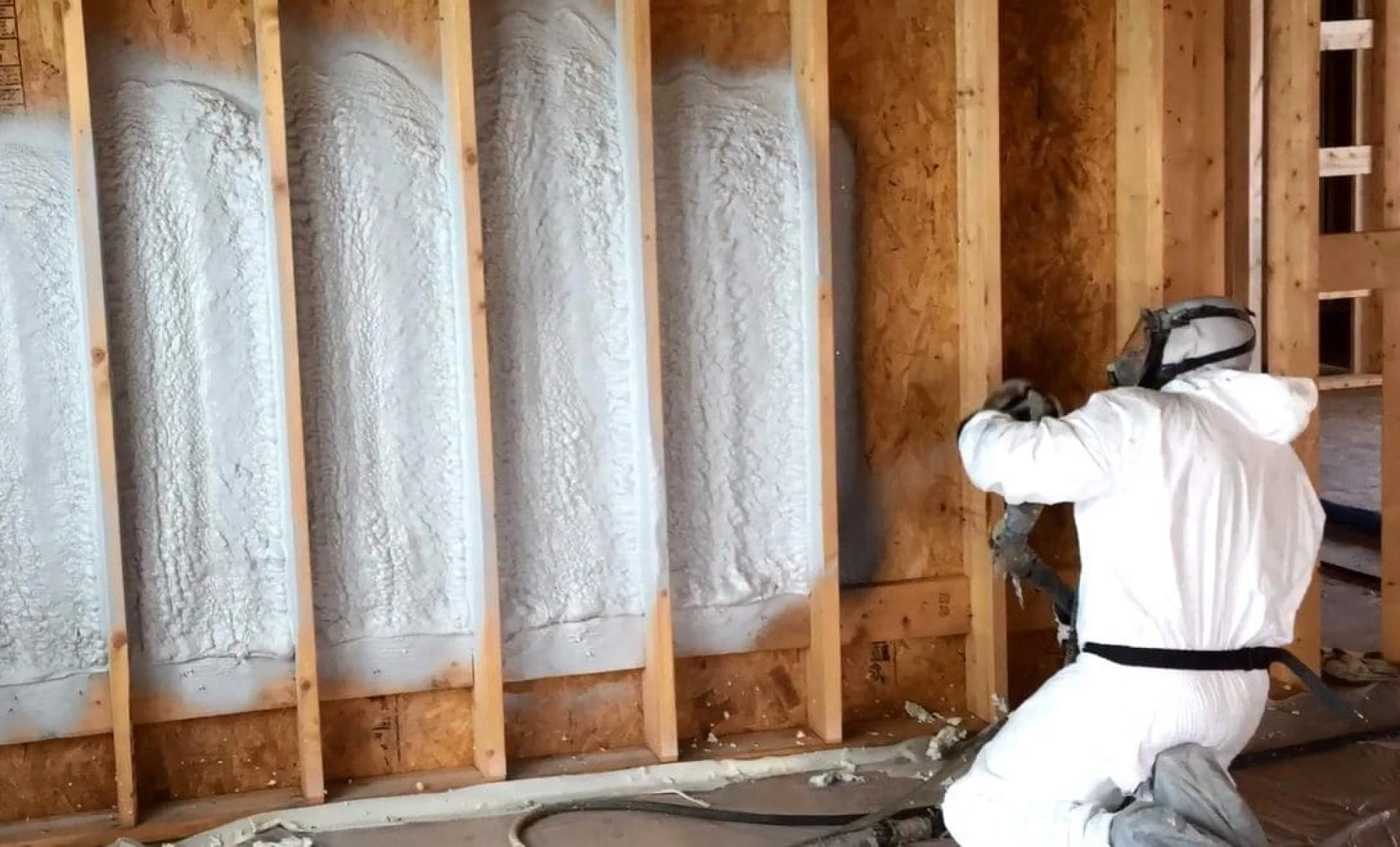
Designing a building with a tight thermal envelope often allows for smaller, less expensive HVAC units.
- Lower tonnage requirements: Reduced heat gain means less cooling power is needed.
- Consistent distribution: Sealed ducts deliver air to rooms efficiently without loss.
- Quieter operation: Less frequent cycling results in a more peaceful indoor environment.
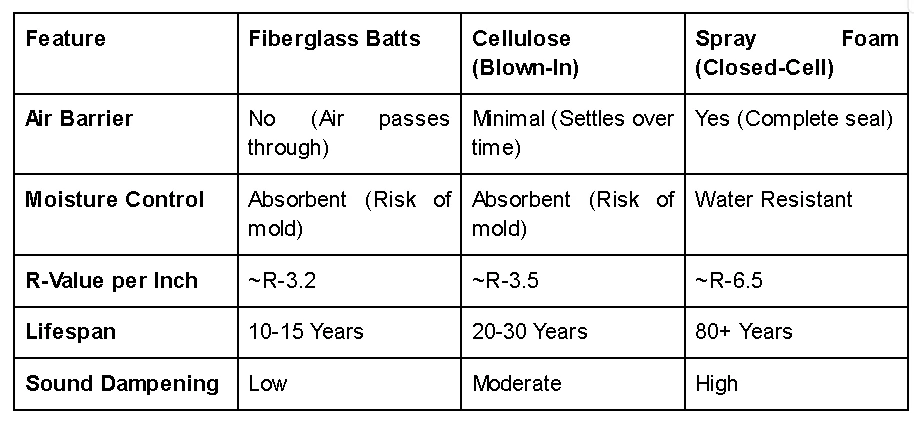
The following table compares how different insulation types perform against modern efficiency metrics:
Bonus Tip: Smart Thermostat Integration
Combining spray foam insulation with smart thermostats maximizes savings. The insulation holds the temperature longer, allowing the smart device to optimize heating and cooling schedules more effectively than in a drafty home.
Things to Consider Before Making a Decision
Choosing the right insulation involves evaluating the property's specific needs and the owner's goals. While spray foam offers superior performance, it requires professional installation and careful planning to ensure optimal results. Owners must consider the structure's existing condition and how the upgrade fits into their broader renovation or maintenance plans.
Evaluating the Building Envelope
A thorough inspection helps identify the locations of the most significant energy losses.
- Attic assessment: Heat rises, making the attic the primary source of winter heat loss.
- Crawl space conditions: Unsealed crawl spaces often pull in damp, cold air into the living space.
- Wall cavity access: Retrofitting existing walls requires different techniques than those used in new construction.
Identifying Weak Points
Older homes in Raleigh often have hidden bypasses where plumbing or electrical lines penetrate floors and ceilings. These areas act as chimneys, pulling conditioned air up and out of the house. Identifying and sealing these bypasses is critical before adding new insulation.
Bonus Tip: Scheduling During Renovation
The best time to upgrade insulation is during other major projects, such as roof replacement or siding updates. This timing often provides easier access to wall cavities and roof decks, reducing labor costs and disruption.
Questions People Ask About Spray Foam Insulation
Will spray foam make my house too airtight?
Modern construction aims for tight building envelopes to control energy loss, but ventilation remains necessary. If a home becomes exceptionally airtight, mechanical ventilation systems can be installed to introduce fresh, filtered air, ensuring high indoor air quality without the energy penalty of random leaks.
How does spray foam affect property resale value?
Properties with documented energy-efficiency upgrades often attract more buyer interest. Potential owners appreciate the promise of lower utility bills and the comfort associated with a well-insulated home, which can differentiate a listing in a competitive market like Raleigh.
Does spray foam insulation help reduce noise?
Open-cell spray foam is particularly effective at dampening sound transmission. It reduces airborne noise from traffic, neighbors, and between rooms within the house, creating a quieter, more peaceful living environment, which is highly valued in modern density.
Is it safe to stay in the house during installation?
Occupants typically need to vacate the property during the spraying process and for a short period afterward, usually 24 hours. This precaution ensures that the foam cures completely and any vapors dissipate before residents return to the space.
Can spray foam be applied to existing insulation?
It is generally recommended to remove old, dirty, or compressed insulation before applying spray foam. Removing the old material allows the foam to bond directly to the substrate, ensuring a perfect air seal and enabling inspectors to check for underlying issues such as water damage or wiring problems.
Summary of Modern Living Benefits
Upgrading to spray foam insulation aligns property performance with the demands of contemporary lifestyles in Raleigh. By effectively sealing out humidity, pollutants, and temperature extremes, this solution creates a stable indoor environment that supports health and comfort. The resulting energy efficiency protects owners from rising utility costs while reducing the building's carbon footprint. Ultimately, a well-insulated envelope transforms a structure from a simple shelter into a modern, high-performance asset.
Professional Guidance for Your Property
Achieving optimal results requires a tailored approach that considers the building's specific architecture and usage. Raleigh Excel Spray Foam Insulation provides specialized assessments to help property owners navigate their options. They focus on delivering solutions that address the region's unique climate challenges, ensuring every project meets high standards of efficiency and durability. For detailed information regarding services or to schedule an evaluation, contact them at (919) 301-9435 or via email at [email protected].
Author: Edith has extensive experience in residential and commercial property management and is dedicated to helping clients improve energy efficiency, comfort, and indoor air quality through advanced insulation solutions.
Reviewer: With nearly a decade in the spray foam insulation field, William Harris reviewed this post and provided guidance that reflects both technical understanding and real-world marketing experience.


























Sign in to leave a comment.