

Commercial spray foam insulation provides exceptional thermal performance, measured by its R-value. Closed-cell spray foam typically offers an R-value of 6.0 to 7.0 per inch, while open-cell spray foam provides an R-value of around 3.5 per inch. These values make spray foam one of the most efficient options for commercial buildings, improving energy savings, comfort, and indoor air quality. Businesses seeking Commercial Spray Foam Insulation services often choose the type of foam based on climate, building design, and specific insulation needs.
Understanding the R-value helps property owners make informed decisions about energy efficiency. Higher R-values indicate better resistance to heat transfer, which directly affects heating and cooling costs. Choosing the right foam and professional Commercial Spray Foam Insulation experts ensures long-term performance and reduced operational expenses.
Commercial buildings in various climates benefit from tailored insulation solutions. An experienced Commercial Spray Foam Insulation contractor evaluates local conditions, structural factors, and building usage to recommend the optimal insulation type.
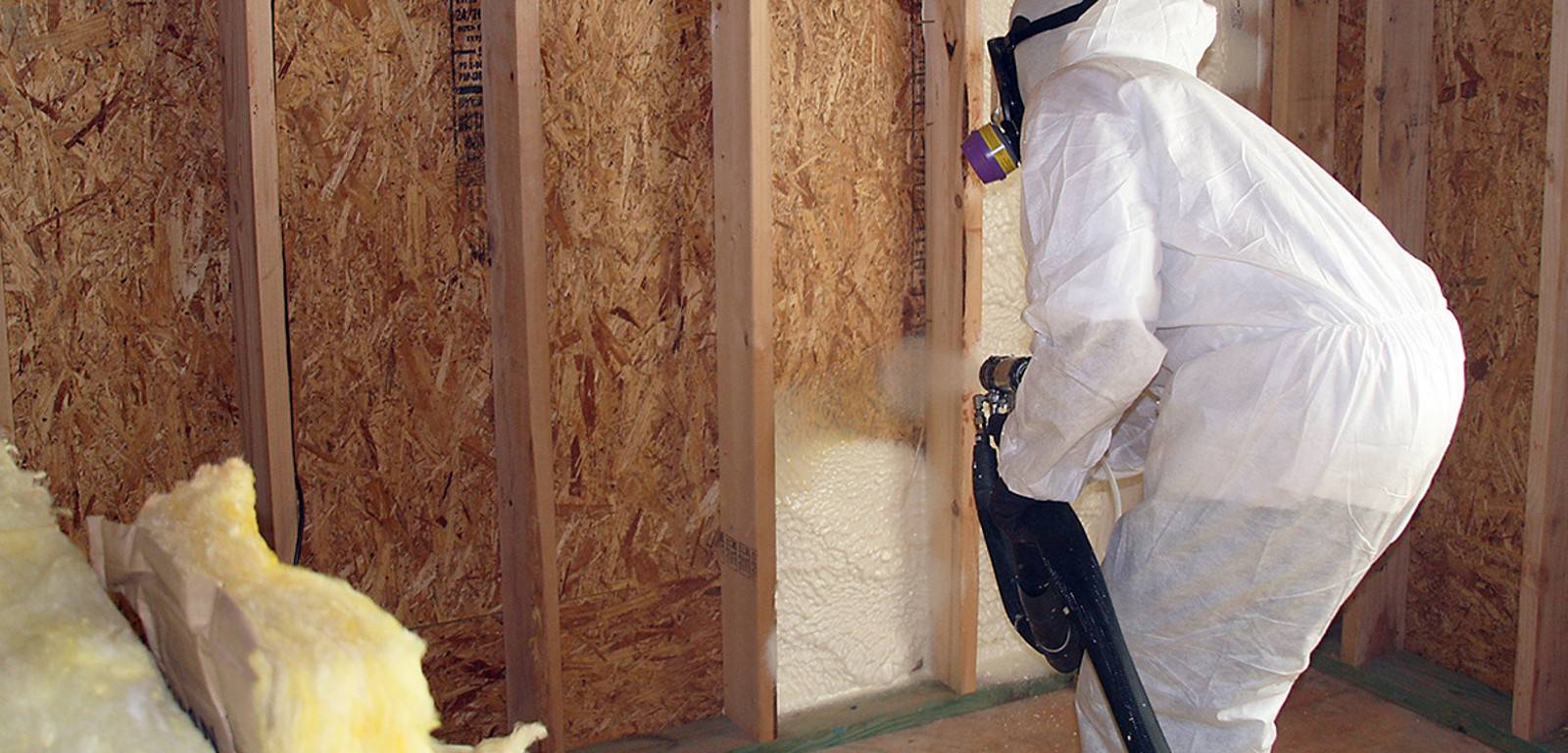
Understanding R-Values and Spray Foam Types
R-value measures thermal resistance per inch of material. It quantifies how well insulation slows heat flow. Higher numbers mean better insulation, critical for large commercial spaces where energy costs can be significant.
Closed-Cell Spray Foam
Closed-cell foam is dense and rigid. It offers a higher R-value per inch and adds structural strength.
- R-value per inch: 6.0–7.0
- Acts as a moisture barrier
- Ideal for roofs, walls, and basements
Open-Cell Spray Foam
Open-cell foam is softer and less dense, filling cavities and reducing air leaks effectively.
- R-value per inch: 3.5
- Provides soundproofing benefits
- Best for interior walls and ceilings
R-Value Comparison Table
| Foam Type | R-Value per Inch | Density | Common Applications | Benefits |
|---|---|---|---|---|
| Closed-Cell | 6.0–7.0 | 2 lb/ft³ | Roofs, walls, basements | High thermal resistance, moisture barrier, structural support |
| Open-Cell | 3.5 | 0.5 lb/ft³ | Interior walls, ceilings | Air sealing, sound insulation, cost-effective |
Advantages of Commercial Spray Foam Insulation
Spray foam provides more than just thermal resistance. It improves energy efficiency, minimizes air leaks, and maintains indoor comfort.
Energy Savings
Commercial buildings lose up to 30% of heating and cooling energy through walls and roofs. Properly applied spray foam reduces these losses significantly.
Moisture and Air Barrier
Closed-cell foam acts as a moisture barrier, preventing mold and water damage. Open-cell foam reduces drafts and air infiltration, improving indoor air quality.
Long-Term Durability
Spray foam resists settling or sagging over time, maintaining consistent R-value for decades. This longevity benefits property owners by lowering maintenance costs.
Things to Consider Before Making a Decision
Choosing the right spray foam requires evaluating multiple factors to ensure maximum efficiency.
- Building location and climate impact foam performance
- Roof and wall structures may limit foam type selection
- Budget constraints and ROI considerations
- Local building codes and insulation requirements
- Potential for future renovations or expansions
Bonus Tips
- Closed-cell foam is preferable in regions with heavy rain or high humidity.
- Open-cell foam may be better in moderate climates where soundproofing is also desired.
- Always work with certified Commercial Spray Foam Insulation experts to ensure correct installation.
Common Applications in Commercial Buildings
Commercial spray foam insulation serves diverse purposes across sectors:
- Warehouses and manufacturing facilities
- Office buildings and retail spaces
- Hospitals and educational facilities
- Multi-story residential complexes
Regional Guidance
In southern regions with hot, humid climates, higher-density closed-cell foam prevents moisture issues. Northern regions with cold winters may prioritize thicker insulation for maximum R-value.

Choosing the Right Commercial Spray Foam Insulation
Selecting the appropriate foam requires understanding the building’s unique requirements. Evaluate the trade-offs between cost, R-value, moisture resistance, and acoustic performance. Working with trained Commercial Spray Foam Insulation services ensures informed choices and optimal outcomes.
Conclusion
Commercial spray foam insulation delivers high R-values and significant energy savings. Closed-cell foam provides maximum thermal resistance and moisture protection, while open-cell foam addresses air sealing and soundproofing needs. Evaluating the building’s structure, climate, and long-term goals helps property managers make informed decisions for lasting comfort and efficiency.
Take Next Steps for Commercial Insulation
For businesses seeking reliable solutions, Raleigh Excel Spray Foam Insulation offers guidance and professional services. Contact them at [email protected] or call (919) 301-9435 to connect with experienced Commercial Spray Foam Insulation experts who can assess your property and recommend the most effective insulation strategy. Their team helps optimize energy efficiency, comfort, and indoor air quality for commercial spaces.
Questions People Ask About Commercial Spray Foam Insulation
What is the difference between open-cell and closed-cell foam?
Closed-cell is dense, provides higher R-value, and acts as a moisture barrier. Open-cell is lighter, less expensive, and better for sound insulation.
How thick should spray foam insulation be for commercial buildings?
Thickness depends on the desired R-value and local climate. Closed-cell foam usually requires 3–4 inches for effective thermal performance.
Can spray foam improve indoor air quality?
Yes, spray foam seals air leaks, reducing dust, pollen, and moisture intrusion, which improves indoor air quality.
How long does spray foam last?
With proper installation, spray foam maintains its R-value and structural integrity for 20–30 years or more.
Do I need professional installation?
Professional installation ensures consistent R-value, proper adhesion, and compliance with building codes. Certified Commercial Spray Foam Insulation experts provide accurate application and long-term reliability.
Author: Edith has extensive experience in residential and commercial property management and is dedicated to helping clients improve energy efficiency, comfort, and indoor air quality through advanced insulation solutions.
Reviewer: With nearly a decade in the spray foam insulation field, William Harris reviewed this post and provided guidance that reflects both technical understanding and real-world marketing experience.
























Sign in to leave a comment.