

In the fast-paced digital landscape of 2024, mastering the art of structuring and writing SEO-optimized articles is paramount for achieving online success. As search engine algorithms evolve and user behavior shifts, staying ahead of the curve with SEO strategies is crucial for businesses and content creators alike. In this comprehensive guide, we unveil the proven methods and best practices for crafting compelling, SEO-friendly articles that resonate with audiences and rank prominently in search engine results pages (SERPs).
Understanding the Importance of SEO Optimization
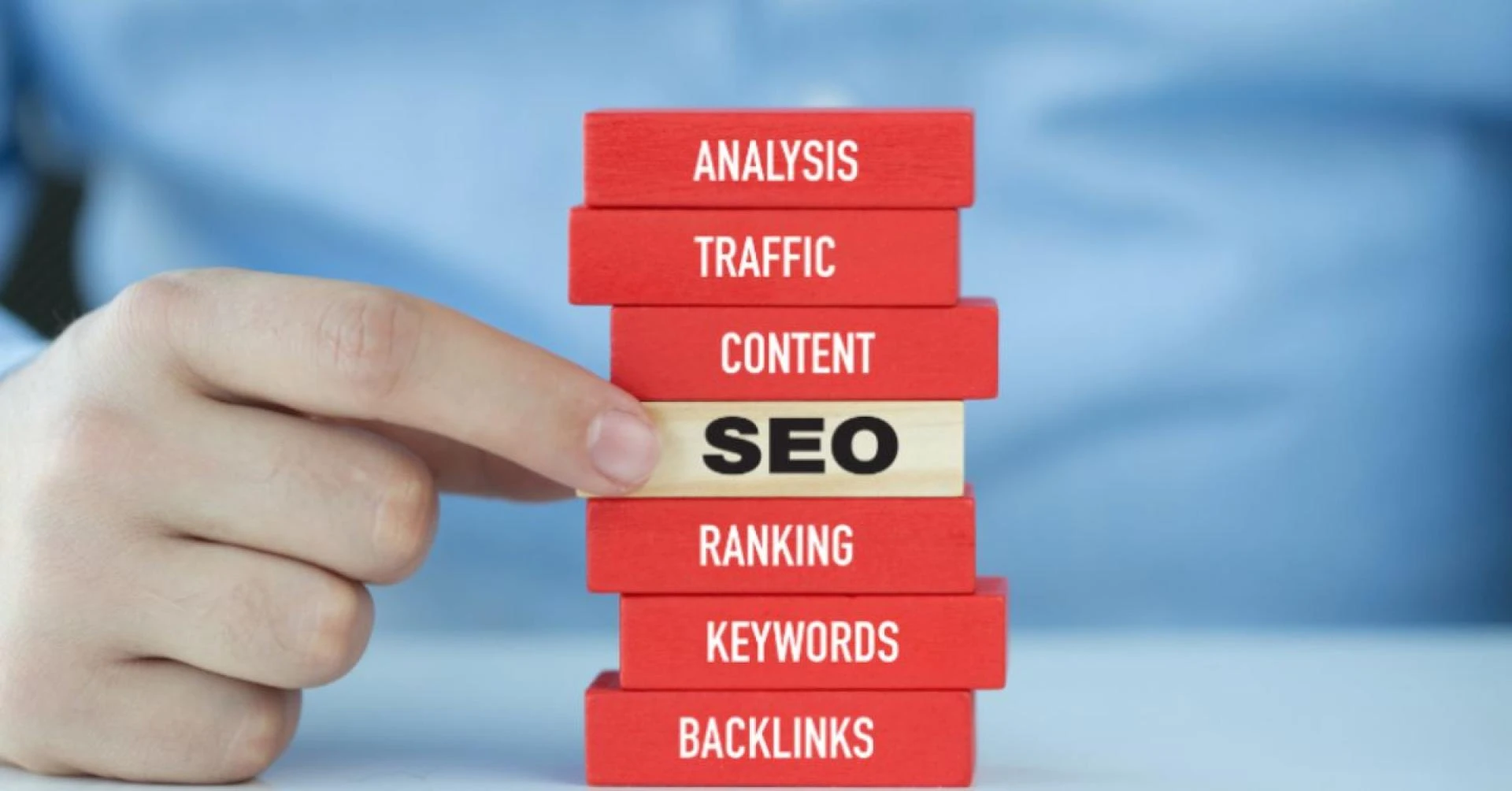
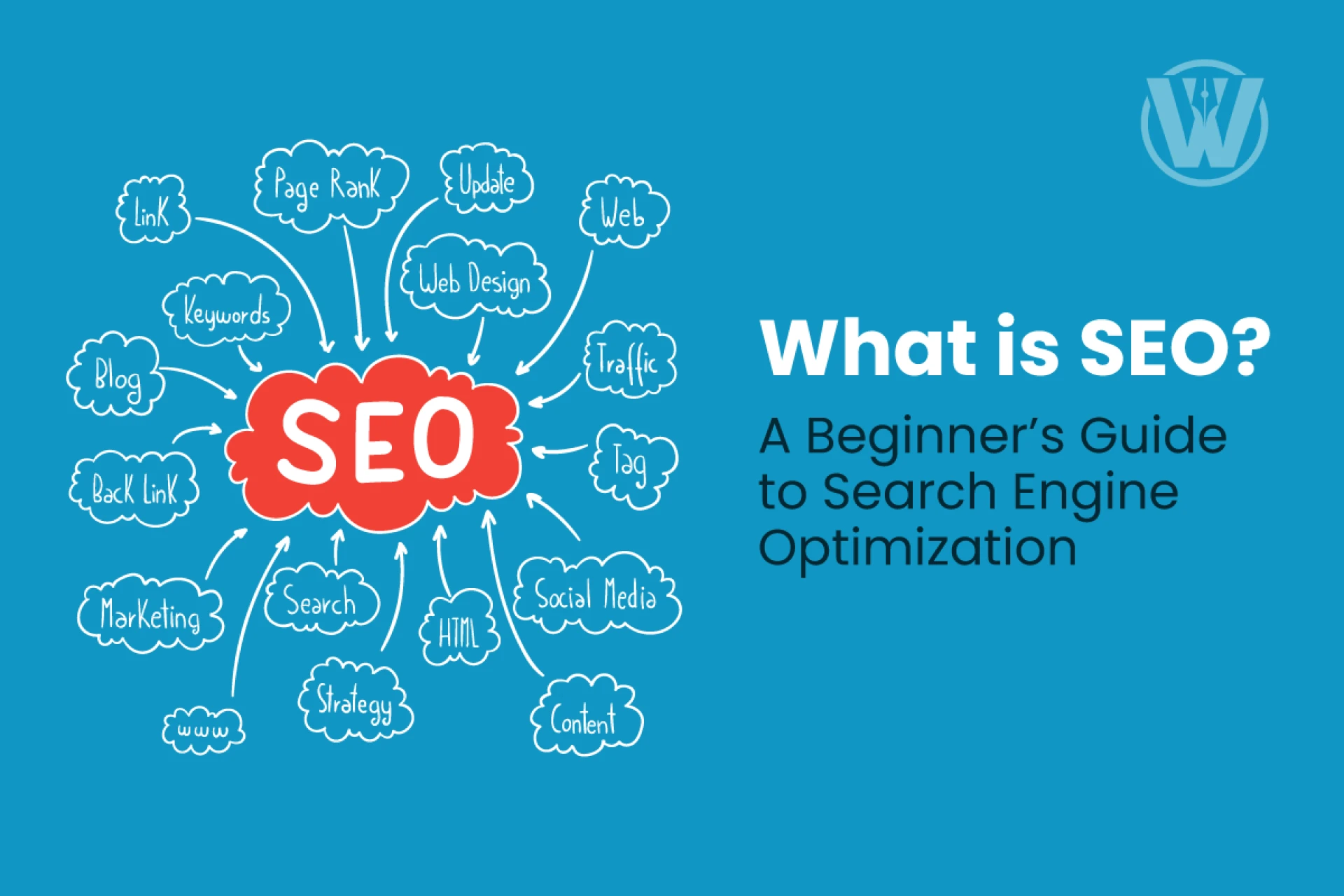
Before diving into the intricacies of structuring SEO-optimized articles, it's essential to grasp the significance of SEO optimization in today's digital ecosystem. SEO optimization involves strategically incorporating relevant keywords, optimizing meta tags, headers, and images, and adhering to best practices to enhance a webpage's visibility and ranking on search engines. By aligning content with user intent and search engine algorithms, businesses can attract organic traffic, increase engagement, and drive conversions.
Conducting Thorough Keyword Research
The cornerstone of any successful SEO-optimized article is comprehensive keyword research. Start by identifying relevant keywords and search queries related to your topic or niche using keyword research tools such as SEMrush, Ahrefs, or Google Keyword Planner. Focus on long-tail keywords, semantic variations, and phrases with moderate to high search volume and low competition. By understanding the language and intent of your target audience, you can tailor your content to address their needs effectively.
Structuring Your Article for SEO Success
Structuring your article with SEO best practices in mind is crucial for maximizing its visibility and impact. Begin with a captivating headline that incorporates primary keywords and entices readers to click. Utilize descriptive meta titles and meta descriptions to provide search engines and users with a concise summary of your content. Break your article into clear sections and paragraphs, using headers and subheadings to organize content logically and improve readability. Incorporate multimedia elements such as images, videos, and infographics to enhance engagement and break up text.
Crafting Engaging and Informative Content
At the heart of every SEO-optimized article lies high-quality content that educates, entertains, or informs readers. Focus on providing value to your audience by addressing their pain points, answering their questions, or offering actionable insights. Ensure that your content is well-researched, accurate, and up-to-date, citing credible sources and references where necessary. Incorporate storytelling techniques, anecdotes, and examples to captivate your audience and make your content memorable.
Optimizing On-Page Elements
Optimizing on-page elements is essential for signaling to search engines the relevance and authority of your content. Utilize target keywords strategically throughout your article, including in the title, headings, body text, and meta tags. Optimize image alt text to improve accessibility and provide context to search engine crawlers. Implement internal linking to establish thematic relevance and guide users to related content within your website. Additionally, ensure that your website loads quickly and is mobile-friendly, as user experience is a key ranking factor in search algorithms.
Embracing Multimedia and Interactive Content
Incorporating multimedia and interactive elements into your SEO-optimized articles can elevate user engagement and differentiate your content from competitors. Experiment with video tutorials, interactive quizzes, podcasts, and slide decks to cater to diverse learning preferences and enhance user experience. Leverage multimedia platforms such as YouTube, SoundCloud, and SlideShare to extend the reach of your content and attract new audiences across various channels.
Analyzing and Iterating for Continuous Improvement
The journey to mastering SEO-optimized content is an ongoing process of analysis and iteration. Monitor the performance of your articles using web analytics tools such as Google Analytics and Search Console. Track key metrics such as organic traffic, bounce rate, dwell time, and conversion rate to gauge the effectiveness of your SEO efforts. Identify patterns, trends, and areas for improvement, and adjust your content strategy accordingly. Stay informed about industry developments, algorithm updates, and emerging trends to remain agile and adaptive in your approach.
Conclusion
In conclusion, mastering the art of structuring and writing SEO-optimized articles is essential for achieving online visibility, engagement, and success in 2024 and beyond. By conducting thorough keyword research, structuring content effectively, crafting engaging narratives, and optimizing on-page elements, businesses and content creators can unlock the full potential of their content and drive meaningful results. Embrace experimentation, creativity, and continuous improvement as you navigate the ever-evolving landscape of SEO optimization.





















Sign in to leave a comment.