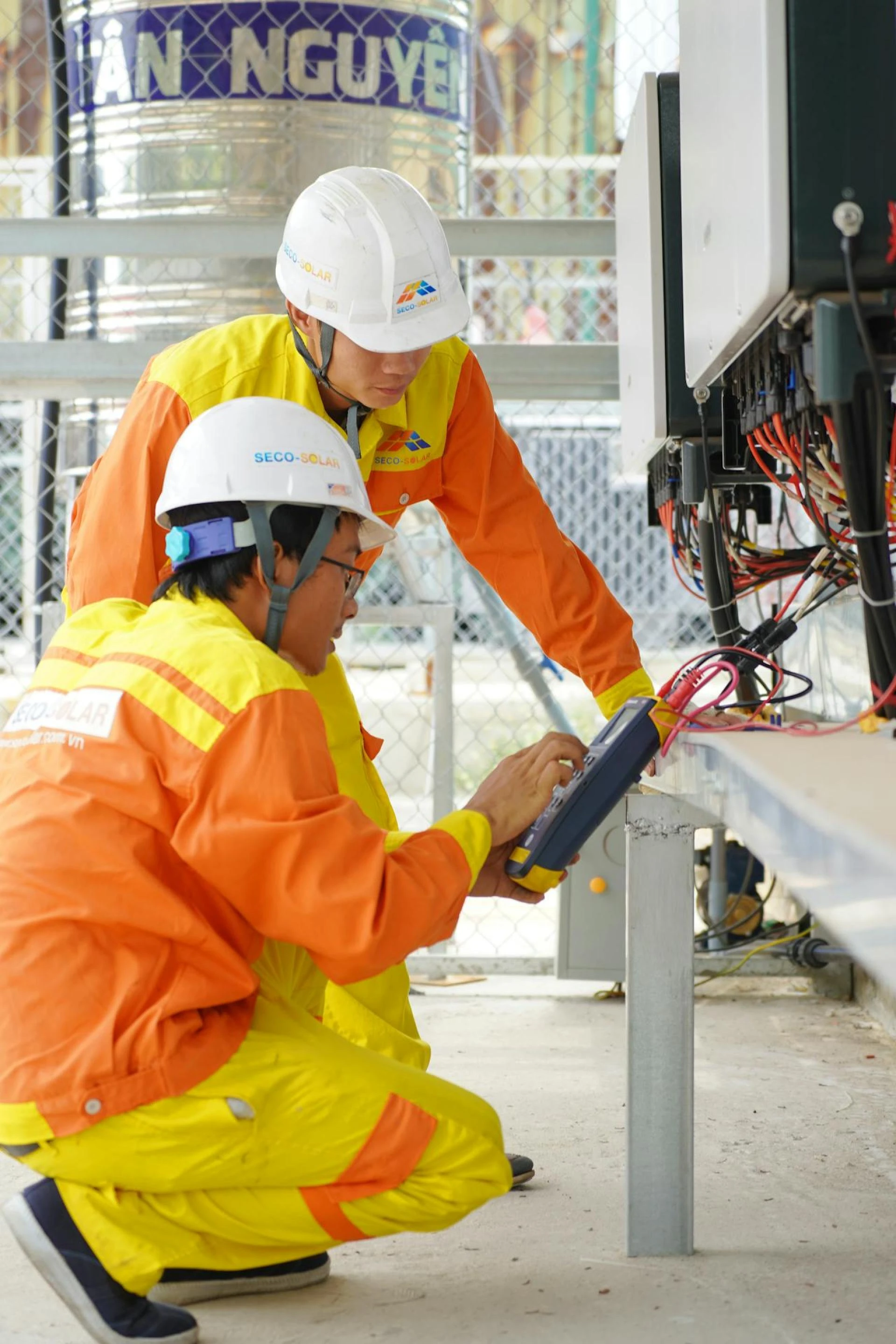

Electrical hazards in the workplace can lead to significant risks, from minor injuries to catastrophic accidents. By integrating regular workplace electrical safety testing into your maintenance routines, you can reduce these risks dramatically. This blog outlines key aspects and benefits of thorough testing, ensuring that your business remains both compliant and safe.

Understanding Electrical Safety
What is Electrical Safety Testing?
Electrical safety testing involves a systematic inspection of all electrical equipment and installations to identify potential hazards. This process includes visual examinations, insulation resistance tests, and earth continuity checks. Regular testing is essential to detect wear, damage, or any other potential issue before it becomes a hazard.
Why It Matters for Your Business?
A safe electrical environment is the backbone of any efficient operation. Failing to maintain electrical equipment can lead to unexpected downtimes, higher repair costs, and, most importantly, risks to the safety of employees. It is a proactive approach to risk management that protects your business from financial and reputational damage.
The Testing Process
Key Steps in Electrical Safety Testing
Workplace electrical safety testing is performed by professionals who adhere to a set of standards. The process includes:
- Visual Inspection: Assessing cables, plugs, and outlets for visible damage.
- Mechanical Testing: Checking the physical integrity of the electrical system.
- Electrical Testing: Using specialized instruments to measure insulation resistance and earth continuity.
- Documentation: Recording findings and scheduling further maintenance if needed.
Frequency and Timing
The frequency of tests depends on various factors such as the type of equipment, usage conditions, and regulatory requirements. A scheduled program ensures that all electrical installations are checked at regular intervals, reducing the risk of sudden failures.
Benefits for Your Business
Enhanced Safety and Reduced Risk
Investing in comprehensive electrical safety measures has clear benefits. Not only does it protect employees from harm, but it also minimizes the risk of fire or equipment failure. This proactive approach ensures continuity in operations and builds a culture of safety within the organization.
Financial and Operational Efficiency
Though testing and tagging may seem like an additional expense, the cost of a potential accident or equipment failure is far greater. Regular inspections help in early detection of issues, avoiding expensive repairs and costly downtime. Moreover, a safe work environment boosts employee morale and productivity.
Compliance and Legal Requirements
Meeting Regulatory Standards
Businesses are required by law to adhere to safety standards in their operations. Regular electrical inspections are often mandated by regulatory bodies, ensuring that your workplace remains compliant. Failure to comply can result in legal penalties and a tarnished reputation.
Reducing Liability
Implementing routine testing minimizes potential legal liabilities. Should an accident occur, documented evidence of regular inspections can be crucial in legal proceedings. This level of preparedness is not only a best practice but a legal necessity for many industries.

Implementing a Testing Program
Steps to Develop an Effective Program
To incorporate electrical safety testing into your routine maintenance, consider the following steps:
- Assessment: Identify all electrical installations and equipment in your business.
- Scheduling: Create a testing calendar based on usage, environment, and regulatory guidelines.
- Training: Ensure that staff understand the importance of safety and can report any issues promptly.
- Collaboration: Work with certified professionals to carry out testing and repairs.
Best Practices
Incorporate workplace safety audits as part of your regular routines. By doing so, you reinforce the value of safety across all levels of your organization. Adopting these best practices helps maintain a robust and proactive safety culture.
Wrapping Up
Investing in workplace electrical safety testing is more than just a regulatory requirement—it is a critical step in protecting your business, assets, and most importantly, your employees. Regular inspections, when executed effectively, contribute to operational efficiency, legal compliance, and overall workplace safety. Remember, a proactive approach today ensures a safer, more reliable tomorrow for your business.
As you develop your safety program, ensure that the concept of workplace electrical safety testing remains central to your operations. By integrating scheduled inspections, you build a safer environment that benefits everyone. Ultimately, consistent safety checks are an investment in the longevity and success of your business—embrace them, and secure your future.
Take the next step in safeguarding your workplace. Contact us today to schedule an inspection or to learn more about how our electrical safety solutions can help protect your business.
































Sign in to leave a comment.