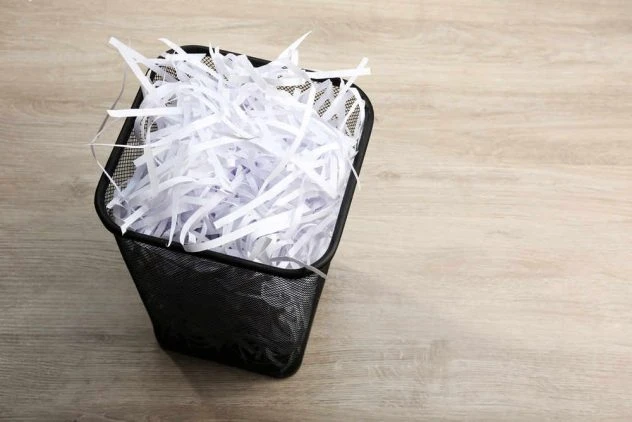

In today's data-driven world, safeguarding sensitive information isn’t just a best practice—it’s a legal and financial necessity. Whether you're a small startup or a large corporation, how you handle the disposal of documents can significantly impact your bottom line. Unfortunately, too many businesses still underestimate the risks of improper document disposal.
In this blog post, we’ll explore why document disposal is more critical than you think, the real costs of poor disposal practices, how sensitive data can fall into the wrong hands, and how working with a trusted partner like Total Shred can protect your business through secure shredding solutions.
Why Document Disposal Is More Critical Than You Think
Paper may seem like a thing of the past in the digital age, but physical documents are still everywhere—client contracts, employee records, invoices, tax forms, and internal memos, just to name a few. And when these documents are no longer needed, they can’t just be thrown in the trash.
Improper disposal can lead to data breaches, identity theft, compliance violations, and irreparable reputational damage. Even a single improperly discarded document can result in thousands—or even millions—of dollars in losses.
Total Shred, a leader in secure shredding solutions, emphasizes that every business—regardless of industry—needs a proper document destruction strategy. Whether you're a healthcare provider managing patient files or a retailer with employee and customer data, secure disposal is essential.
The Real Costs of Poor Document Disposal
Improper document disposal can have severe and far-reaching consequences. These include:
1. Financial Penalties
Regulatory bodies like GDPR, HIPAA, and FACTA enforce strict data protection laws. Non-compliance can lead to heavy fines. For instance, under HIPAA, a data breach can result in penalties of up to $1.5 million per year.
2. Legal Liability
A single document in the wrong hands can lead to lawsuits from clients, employees, or partners. Litigation fees and settlements can quickly add up, not to mention the internal disruption legal proceedings bring.
3. Reputational Damage
Trust is hard to build and easy to lose. A data breach caused by poor document handling can damage your brand’s reputation beyond repair, leading to lost customers and reduced business opportunities.
4. Operational Disruptions
A breach or investigation into poor disposal practices can stall operations. Internal audits, compliance checks, and crisis communication efforts consume valuable resources that could be used elsewhere.
How Sensitive Information Ends Up in the Wrong Hands
You might think tossing an old document in a bin or recycling it is harmless—but that’s exactly how information theft starts. Here are common ways sensitive data gets compromised:
- Dumpster Diving: Thieves often rummage through garbage outside offices looking for carelessly discarded paperwork.
- Untrained Staff: Employees who aren’t trained in secure disposal may throw documents away without realizing the risks.
- Inefficient Disposal Methods: Standard office shredders are not secure enough. Many only strip cut papers, which can easily be reconstructed.
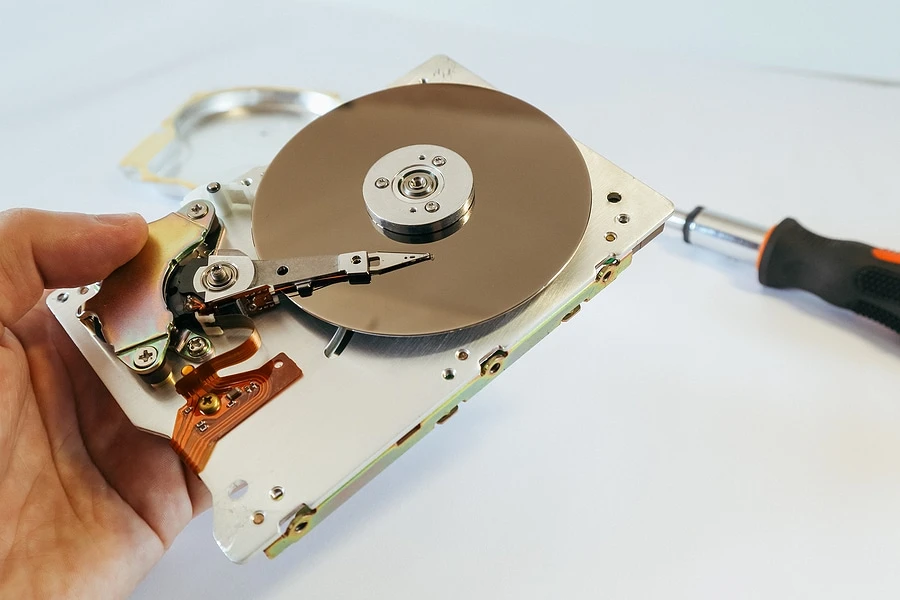
- Neglecting Electronic Files: Hard drives, USBs, and old laptops also need professional destruction.
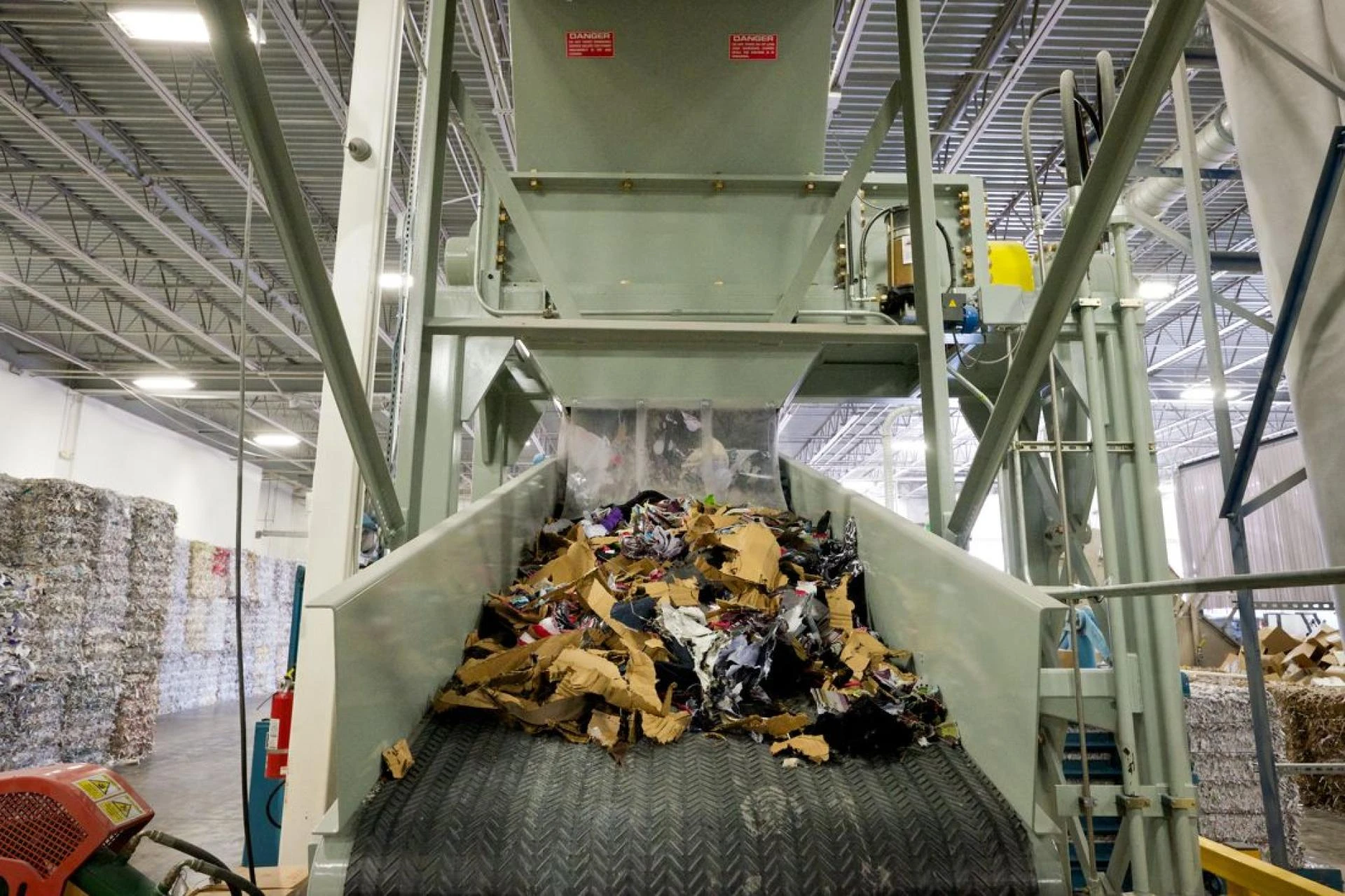
This is where professional shredding services like Total Shred come in—offering secure document and media destruction that goes far beyond what in-house solutions can provide.
Compliance and Legal Consequences
Almost every industry has regulatory standards for data disposal. Whether you deal with financial records, medical files, or legal documents, you are responsible for protecting that information throughout its lifecycle—including disposal.
Key regulations to be aware of include:
- HIPAA (Health Insurance Portability and Accountability Act) – For businesses in healthcare.
- FACTA (Fair and Accurate Credit Transactions Act) – For companies handling consumer credit information.
- GLBA (Gramm-Leach-Bliley Act) – For financial institutions.
- GDPR (General Data Protection Regulation) – For businesses with customers in the EU.
Failure to comply with these laws can lead to audits, hefty fines, and lawsuits. Partnering with a certified shredding provider like Total Shred ensures your document disposal meets or exceeds legal standards.
Best Practices for Secure Document Disposal
To safeguard your business, you need a proactive and structured approach. Here are best practices you should follow:
1. Use a Certified Shredding Company
Engage a professional shredding service that is NAID AAA certified, like Total Shred, ensuring they follow strict protocols for handling and destroying sensitive materials.
2. Regular Shredding Schedule
Set a recurring shredding schedule—weekly, monthly, or quarterly—depending on your document volume. Commercial shredding services in UK help businesses manage this seamlessly.
3. On-Site vs. Off-Site Shredding
Decide whether you prefer the convenience of on-site shredding (documents are destroyed at your location) or the cost-effectiveness of off-site shredding. Total Shred offers both options to accommodate different needs.
4. Shred Everything Policy
Encourage a policy where all documents are shredded rather than sorted. This eliminates judgment calls and reduces risk.
5. Secure Collection Bins
Install locked bins throughout your office where employees can deposit documents safely until pickup.
6. Hard Drive and Media Destruction
Don't forget digital media. Schedule periodic hard drive destruction to securely dispose of outdated tech.
Building a Company-Wide Disposal Policy
A solid disposal policy ensures everyone in your organization understands the importance of secure shredding and their role in it.
What to Include:
- Scope of Documents: Identify what types of documents require secure disposal.
- Roles and Responsibilities: Assign responsibility for managing disposal procedures.
- Training Program: Regularly train staff on safe handling and disposal of documents.
- Compliance Checkpoints: Monitor disposal practices and run regular audits.
- Vendor Coordination: Partner with a professional provider like Total Shred for both residential shredding service (for remote workers) and commercial shredding service (for on-site offices).
Having a formal, well-communicated policy not only improves security but demonstrates compliance to regulators and clients.
Conclusion: Don’t Let Improper Disposal Cost You
Document disposal isn’t just a back-office chore—it’s a frontline defense for your business’s data, finances, and reputation. Neglecting it can lead to regulatory penalties, lost trust, and major financial consequences.
Investing in a professional shredding service in UK like Total Shred ensures that your sensitive information is handled, destroyed, and disposed of securely and in full compliance with all regulations. Whether you need residential shredding services for your home office or a full-scale commercial shredding service for your business, Total Shred has the expertise and reliability to protect your organization.



























Sign in to leave a comment.