
Have you ever wondered what happens when manufacturing teams need a custom metal part fast? Most parts have complex designs. The tooling can take weeks, and every delay costs money. When you look closer, traditional manufacturing isn’t the best option. Long lead times, expensive molds, and limited design flexibility can slow innovation to a crawl. This is why industrial DED solutions are so important.
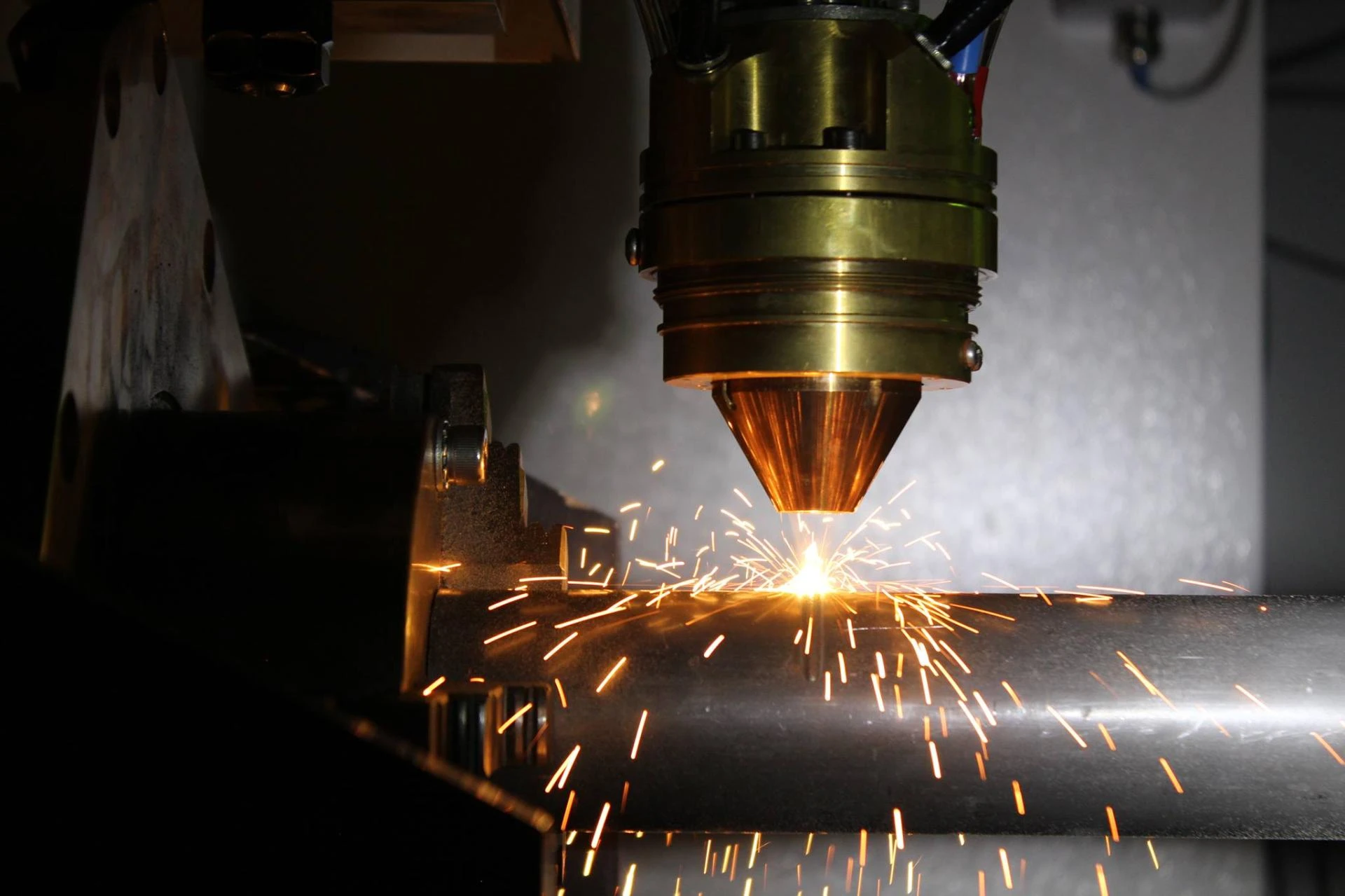
Imagine there was a very precise metal “hot glue gun” that you could use to create exact metal parts instead of having to carve material away. That’s essentially how laser-based deposition works. It uses heat to melt metal exactly where it’s needed. This approach gives manufacturers more control, reduces waste, and helps deliver faster turnaround times.
Another great thing about industrial DED solutions is that manufacturers can add metal precisely where a part is worn out or damaged. This makes restoring parts easier than ever. This process is called laser-assisted metal deposition, or directed deposition technology. From aerospace, energy, and heavy manufacturing, industrial DED solutions are being used to not just make parts but make manufacturing faster, smarter, and far more efficient.
Why Industrial DED Solutions Are Becoming Essential in Modern Manufacturing
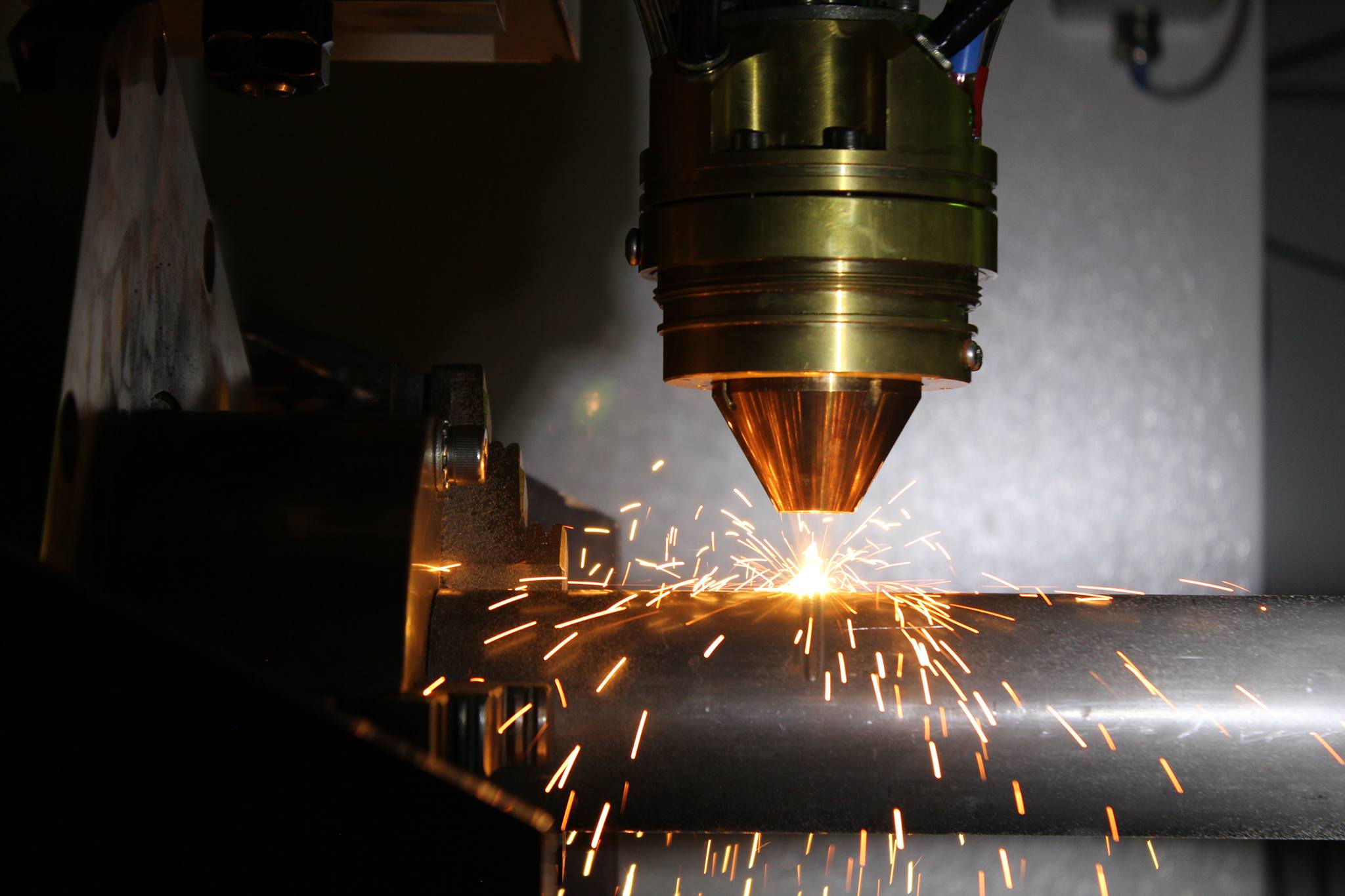
Modern manufacturing systems have made it possible to create metal parts without waiting weeks or months. You don’t have to worry about one small error during the process because the technology is incredibly precise. Industrial DED solutions allow you to add metal only where it’s needed. This eliminates hours of cutting material from a solid block. A laser melts metal wire or powder, placing the molten metal precisely onto a surface where it bonds and cools.
In the aerospace industry, a single turbine or structural component can cost hundreds or thousands of dollars. Replacing even the smallest component can cause costly delays in aircraft maintenance or production. Using industrial DED solutions, manufacturers can ensure that the damaged part is restored quickly instead of scrapping it or waiting for a new one to be delivered.
Energy and defense industries also adopt this technology for similar reasons. They need it in power plants to repair large metal components, which are either too expensive or, in some cases, impossible to replace. Defense manufacturers can use industrial DED solutions to produce complex, strong parts on demand. This approach helps to improve supply chain flexibility and reduce downtime in critical systems.
Manufacturers are also switching to directed deposition technology for the design freedom it offers. Traditional tools often struggle to produce complex shapes. Engineers use modern manufacturing systems to create curved channels, internal structures, and reinforced areas without extra molds or tooling. This flexibility allows companies to speed up production while keeping costs under control.
Industrial Directed Energy Deposition Solutions for Metal Additive Manufacturing
Have you ever wondered how directed energy deposition works in metal manufacturing? Think of it like fixing a cracked sidewalk. You pour fresh concrete where the crack is.
Industrial directed energy deposition solutions for metal additive manufacturing use a powerful laser to melt metal wire or powder and place it exactly where new material is needed. This is key because metal cools almost instantly and bonds to the surface below. This way, you get one solid piece of metal and a repaired part.
The reason why the process is so popular in demanding industries is due to its ability to scale. Unlike many metal 3D printing methods, this approach is not just for small parts but also for large components. An aircraft structure is like a house. Building it requires energy, equipment, and heavy industrial tools. Directed energy deposition allows you to manufacture large components using metal additive manufacturing with extreme precision and in a fraction of the time.
Think of it like this: a heavy manufacturing company that works with massive metal parts spends a great deal on the production of these parts. When a design change is required, whether it is extra support for a rib or a thicker edge, industrial DED solutions allow engineers to add new features onto the existing part seamlessly.
This process requires no extra tooling, no scrapping of perfectly good materials, and just metal added exactly where it is needed.
So what sets this technology apart is its flexibility. Directed energy deposition is unique because it doesn’t lock manufacturers into a single design. It allows them to change, adapt, and improve. DED-based additive manufacturing has gained traction in industrial settings for its speed, customization, and durability.
To put it simply, metal additive manufacturing is making larger, more complex, and high-value parts easier to manufacture, modify, and repair.
How Laser-Assisted Metal Deposition Systems Are Transforming for Aerospace and Industrial Parts
When it comes to industries like aerospace and heavy manufacturing, “close enough” is not the goal. When you see an airplane flying at 35,000 feet, it requires every metal part to not only be the perfect size, but also handle extreme stress, temperature changes, and vibration. This means even a tiny defect could cause serious problems.
Laser-assisted metal deposition ensures precision through control. A laser creates a small and extremely hot melt pool, while metal wire or powder is fed in at just the right speed. The laser is so precise that manufacturers can control how much metal is added and where exactly it goes before it cools.
Manufacturing with a laser is like writing with a fine-tip pen. This level of accuracy is especially important in aerospace. Manufacturers need laser-assisted deposition to produce critical parts for organizations like NASA.
FormAlloy: Faster, Smarter, and Less Wasteful
Manufacturing has changed for the better. It is no longer about making parts; manufacturing is now focused on efficiency and precision. From repairing high-value components to building large, complex metal structures, industrial DED solutions have proven they can do what traditional methods struggle to achieve.
What makes laser-assisted metal deposition and directed deposition technologies especially future-ready is how adaptable they are. These processes support everything from large-scale additive manufacturing to precise repairs. At the same time, they improve material efficiency and part performance. This adaptability is what modern industries need.
FormAlloy is a company that stands out when it comes to advanced deposition systems for real-world industrial demands, rather than forcing manufacturers to change how they work. FormAlloy’s technology improves existing production environments, allowing it to adopt directed energy deposition for both new parts and critical repairs. They are becoming the foundation for how advanced metal parts are made, improved, and used in the years to come.


























Sign in to leave a comment.