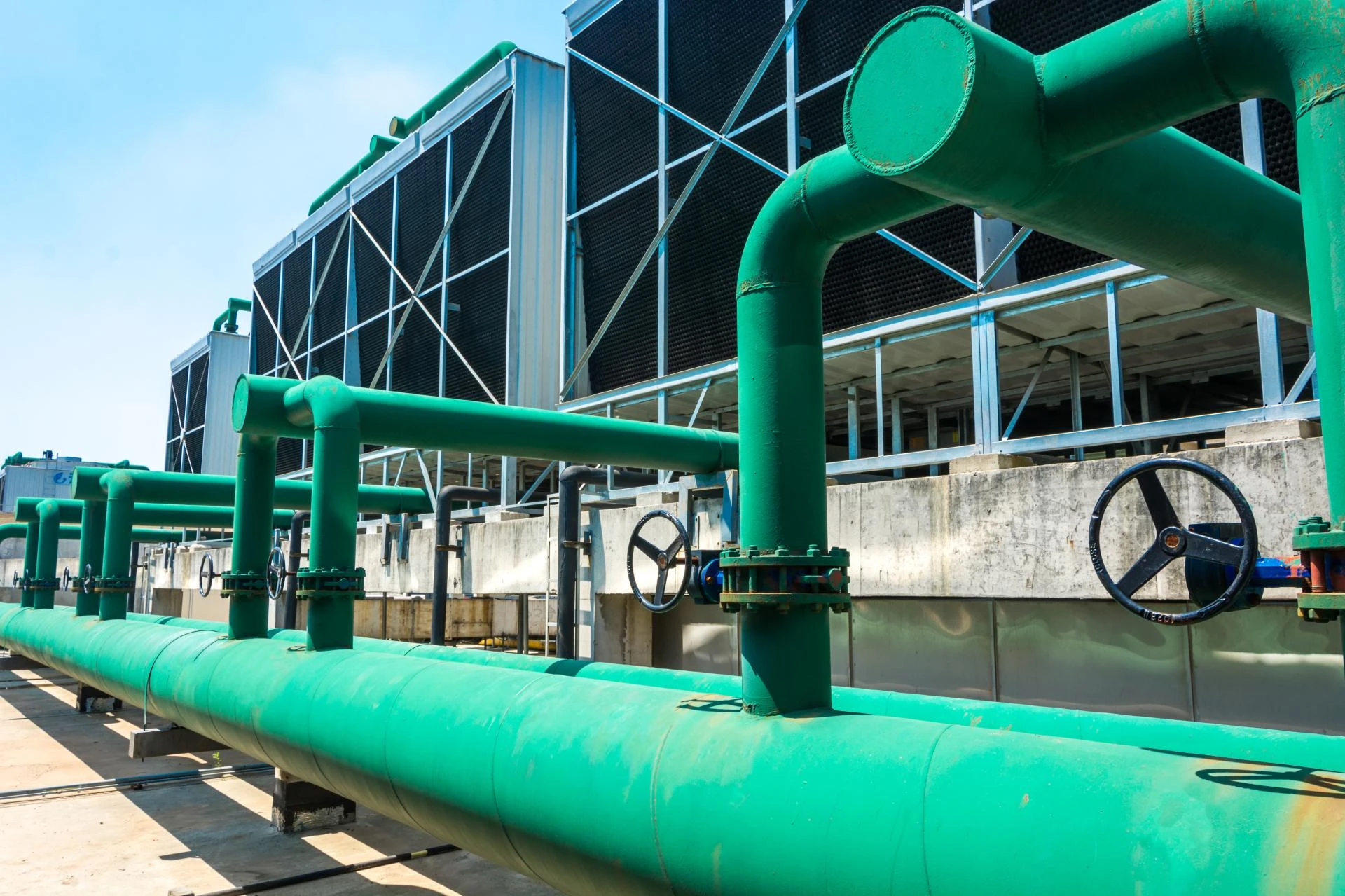

Wastewater treatment is one of the most essential processes in safeguarding our planet. It involves purifying polluted industrial and community water before it returns to nature. This process eliminates pollutants such as oils, heavy metals, and chemicals that damage ecosystems and harm human beings. Industries reduce pollution and protect rivers, lakes, and oceans through modern industrial water treatment systems. Clean water sustains aquatic life, supports biodiversity, and ensures that future generations will have a healthier planet.
Reducing the Environmental Contamination
Industrial wastewater is harmful to ecosystems and contaminates soil, air, and groundwater. An eco-conscious company employs a sophisticated water treatment system that averts this damage by filtering harmful substances before discharge. Biological nutrient removal systems reduce excess nitrogen and phosphorus, thereby preventing toxic algal blooms and the formation of dead zones. Consequently, the treated water released to the environment sustains a healthy, stable ecosystem. An efficient industrial wastewater treatment results in cleaner communities, healthier crops, and safer drinking water sources.
Saving Water and Re-Utilizing Valuable Resources
It is no longer a choice on whether to conserve water but a necessity. Effective water treatment systems help industries to recycle and reuse water for non-drinking tasks such as cooling and cleaning. Combined with a municipal water treatment system, they reduce the freshwater usage and encourage eco-efficient consumption. Moreover, the developed water treatment plants extract valuable resources, such as metals, nutrients, and biogas, from wastewater. These reused resources generate another economic value and help the world transition to a circular economy in which nothing is wasted.
Safeguarding Public Health and Compliance with the Rules
Healthy communities are dependent on clean water. Effective wastewater treatment eliminates disease-causing pathogens and toxins. Communities can access safe water for drinking, irrigation, and recreational purposes through proper municipal water treatment and industrial processes. Moreover, the industries that invest in these systems ensure they comply with environmental laws and avoid penalties. Responsible wastewater management conveys a company's commitment to sustainability and public safety, enhancing the trustworthiness of customers and other stakeholders.
Establishing Economic and Ecological Balance In The Long Run
Sustainability drives economic growth. Companies that embrace green technologies lower their operational costs and increase efficiency. The treatment systems reduce waste disposal costs and enable companies to recycle valuable resources. These activities contribute to creating a better environment and economy, in addition to gaining financial benefits. When industrial and municipal water treatment systems are combined, they can develop long-term solutions that would have a positive impact on the population and the planet.
Final Thoughts
Effective wastewater management is an important environmental responsibility, not just a technical process. Industries contribute to the preservation of ecosystems, conservation of resources, and protection of public health by installing modern water treatment systems and assisting municipal facilities with water treatment. Every drop of treated water is one more step toward making the world a cleaner, better place to live in, where nature and industry can coexist.































Sign in to leave a comment.