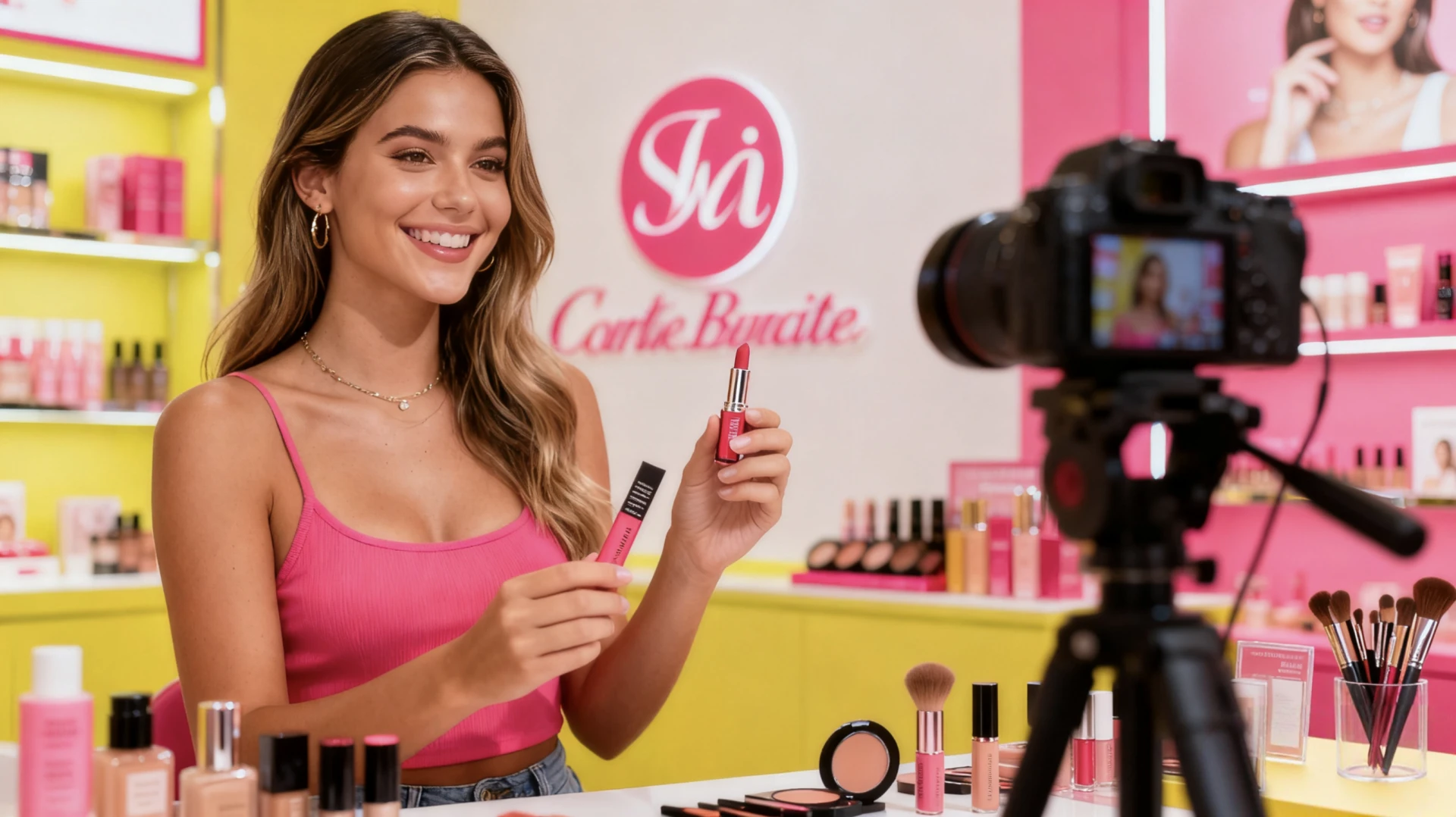

Influencer marketing may feel like a modern phenomenon, but its roots extend far beyond social media platforms. Long before Instagram, TikTok, or YouTube existed, brands were already leveraging trusted individuals to shape public opinion and influence purchasing decisions. Understanding how influencer marketing started requires looking at its gradual evolution from traditional endorsements to today’s creator-driven digital economy.
Influence has always played a role in marketing. In earlier eras, consumers relied heavily on recognizable figures to guide their choices. One of the earliest forms of influencer marketing appeared through celebrity endorsements in the late nineteenth and early twentieth centuries. Athletes, actors, and public figures promoted products through newspapers, posters, and early broadcast media. These endorsements worked because celebrities commanded attention and admiration, although influence at this stage was largely based on fame rather than personal connection.
In addition to celebrities, brands also turned to authority figures such as doctors, chefs, and industry experts. These individuals influenced consumers through expertise rather than popularity. Their recommendations carried weight because they were perceived as knowledgeable and trustworthy. This model demonstrated an important principle that still defines influencer marketing today: credibility can directly shape consumer behavior.
The real shift in how influencer marketing started emerged with the rise of the internet. In the early 2000s, blogs and online forums became new centers of influence. Bloggers who consistently shared insights on fashion, technology, food, or lifestyle topics attracted loyal audiences. Unlike traditional celebrities, these creators were seen as relatable individuals with real-world experience. Their opinions carried strong influence within specific communities.
Trust was built through long-form content such as detailed reviews, tutorials, and personal stories. Readers spent time engaging with these posts and often returned regularly. As a result, brands began offering free products or paid collaborations, marking an early stage of structured influencer marketing.
Social media later transformed influencer marketing by dramatically increasing scale and visibility. Platforms like YouTube, Instagram, and TikTok allowed individuals to reach global audiences without traditional media gatekeepers. Influencers could now combine visuals, personality, and storytelling to build strong personal brands and engage followers more directly.
Unlike traditional advertising, social media enabled two-way communication. Influencers interacted with audiences through comments, live sessions, and direct messages. This interaction strengthened trust and made influence more personal, increasing the effectiveness of influencer marketing.
As influencers gained influence, brands began to shift focus from simple exposure to genuine credibility. Audiences responded more positively to creators who authentically used and believed in the products they promoted. This realization helped influencer marketing distinguish itself from conventional advertising.
Over time, influencer marketing became more professional. Brands introduced contracts, campaign guidelines, and performance measurement. Disclosure requirements also emerged to promote transparency and protect consumers. Influencer agencies and technology platforms developed to manage relationships, identify suitable creators, and evaluate campaign results.
Cultural changes further accelerated growth. Consumers increasingly distrusted traditional advertising, viewing it as overly polished or biased. Influencers offered a more relatable alternative by sharing personal experiences and honest opinions. This shift aligned with a growing desire for authenticity and connection in digital culture.
Today, influencer marketing is a core part of modern brand strategy. What began as informal product mentions has evolved into a complex ecosystem involving creators, brands, platforms, and data-driven tools. Influence is no longer defined by follower count alone. Micro-influencers and niche creators often generate stronger engagement by building trust within focused communities.
Understanding how influencer marketing started shows that it is not a short-lived trend. It is the result of decades of evolving media, changing consumer trust, and cultural transformation. At its core, influencer marketing remains centered on credibility, connection, and trust. Brands that respect these principles will continue to benefit as this marketing approach evolves.





























Sign in to leave a comment.