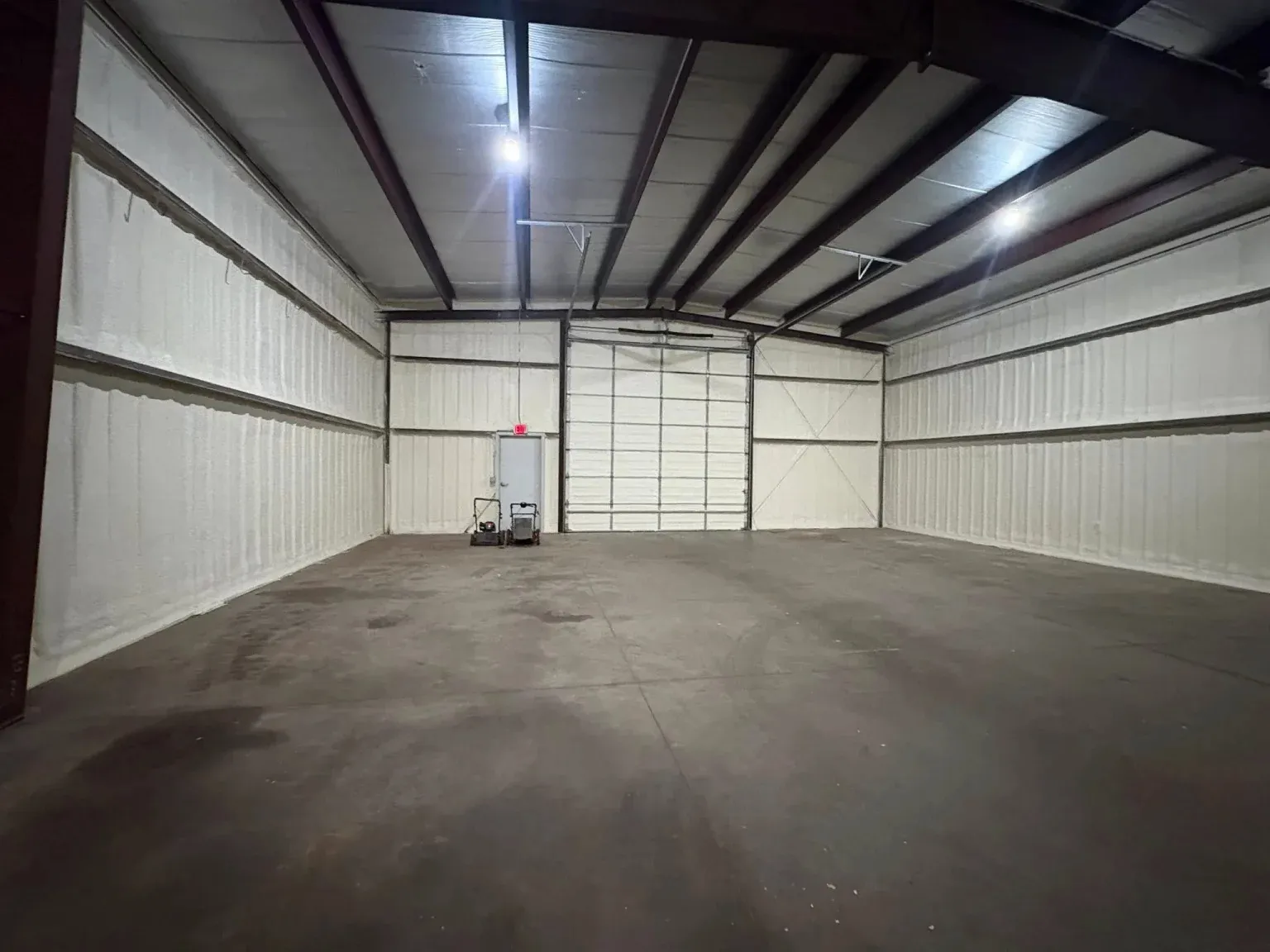

Large-scale commercial buildings in West Bend lose significant energy through thermal bridging and air infiltration when insulation systems are inadequate or aging. Effective commercial insulation acts as a continuous thermal barrier that prevents heat from escaping during Wisconsin's harsh winters and stops heat gain during humid summers. By sealing the building envelope, property owners can reduce energy consumption by as much as 40 percent in some industrial settings.
This guide provides an objective look at how different materials and application methods affect the long-term performance of commercial properties. Drawing on years of building science application in the Midwest, the following information outlines the technical requirements for maintaining a stable indoor environment.
Thermal Resistance Requirements for Wisconsin Climates
West Bend falls within Climate Zone 6, which requires high R-value ratings to manage extreme temperature swings. In large commercial spaces, the sheer volume of air makes temperature regulation difficult. When walls and roofs lack proper resistance, HVAC systems must run constantly to compensate for the "stack effect," where warm air rises and escapes through the top of the building while drawing cold air in through the bottom.
The effectiveness of an insulation material depends on its ability to stop three types of heat transfer: conductive, convective, and radiant. Many traditional materials only address conductive heat, leaving the building vulnerable to air leaks that carry moisture and thermal energy. High-performance options like closed-cell spray foam provide both thermal resistance and an air seal in one application.

Comparing Insulation Performance in Large Facilities
Building managers often choose materials based on initial cost, but the long-term impact on utility bills varies wildly between products. The table below compares common materials used in West Bend commercial projects.

Bonus Tip: In large warehouses, applying a thermal barrier coating over foam insulation is often required by local West Bend building codes to meet fire safety standards.
Identifying Points of Energy Failure
Energy loss in commercial spaces rarely happens in just one spot. It is usually a combination of failures across the building envelope. Large loading docks, roof-to-wall joints, and utility penetrations are primary culprits for air leakage. In many older West Bend masonry buildings, moisture can also seep through porous walls, degrading the R-value of internal insulation over time.
Air sealing is just as important as the R-value itself. Even the thickest fiberglass insulation loses its effectiveness if wind can blow right through it. Using dense pack cellulose or spray-applied materials helps fill those small gaps that human hands cannot reach with traditional batts. Recognizing these common points of failure allows property owners to more effectively weigh their options during the selection process.
Things to Consider Before Selecting Insulation
Before committing to a specific insulation strategy, commercial property owners should evaluate the specific needs of their facility.
- Building Usage: A cold storage facility has vastly different requirements than a retail showroom or a manufacturing plant with heavy machinery.
- Existing Structure: Metal buildings react differently to temperature changes than brick or wood-frame structures.
- Internal Moisture Levels: High-humidity environments require materials that do not promote mold growth or lose structural integrity when damp.
- Long-Term ROI: Lower-priced materials often result in higher monthly operating costs, whereas a higher upfront investment might pay for itself in three to five years through energy savings.

Bonus Tip: When insulating foundations or sub-grade areas in a commercial setting, slab-edge insulation or perimeter encapsulation is often more effective than traditional methods, as it controls both temperature and sub-surface moisture.
Practical Steps for Improving Large-Scale Efficiency
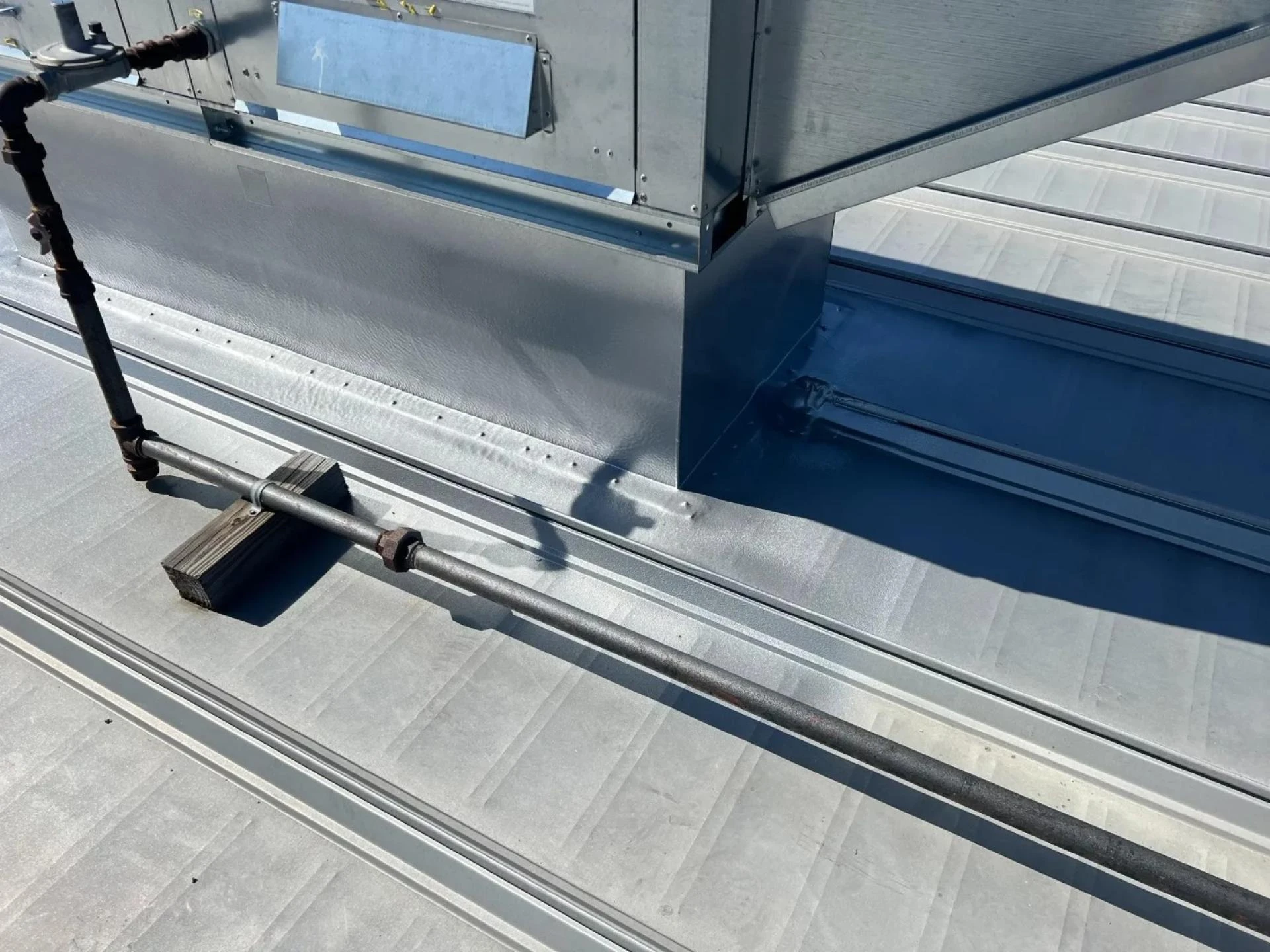
For buildings already in operation, an energy audit often reveals that the roof is the largest source of heat loss. In West Bend, snow loads and ice damming are clear indicators of heat escaping through the roof deck. Retrofitting a layer of commercial spray foam directly onto the underside of the roof deck or upgrading to a more robust blown-in system can effectively stabilize these temperatures.
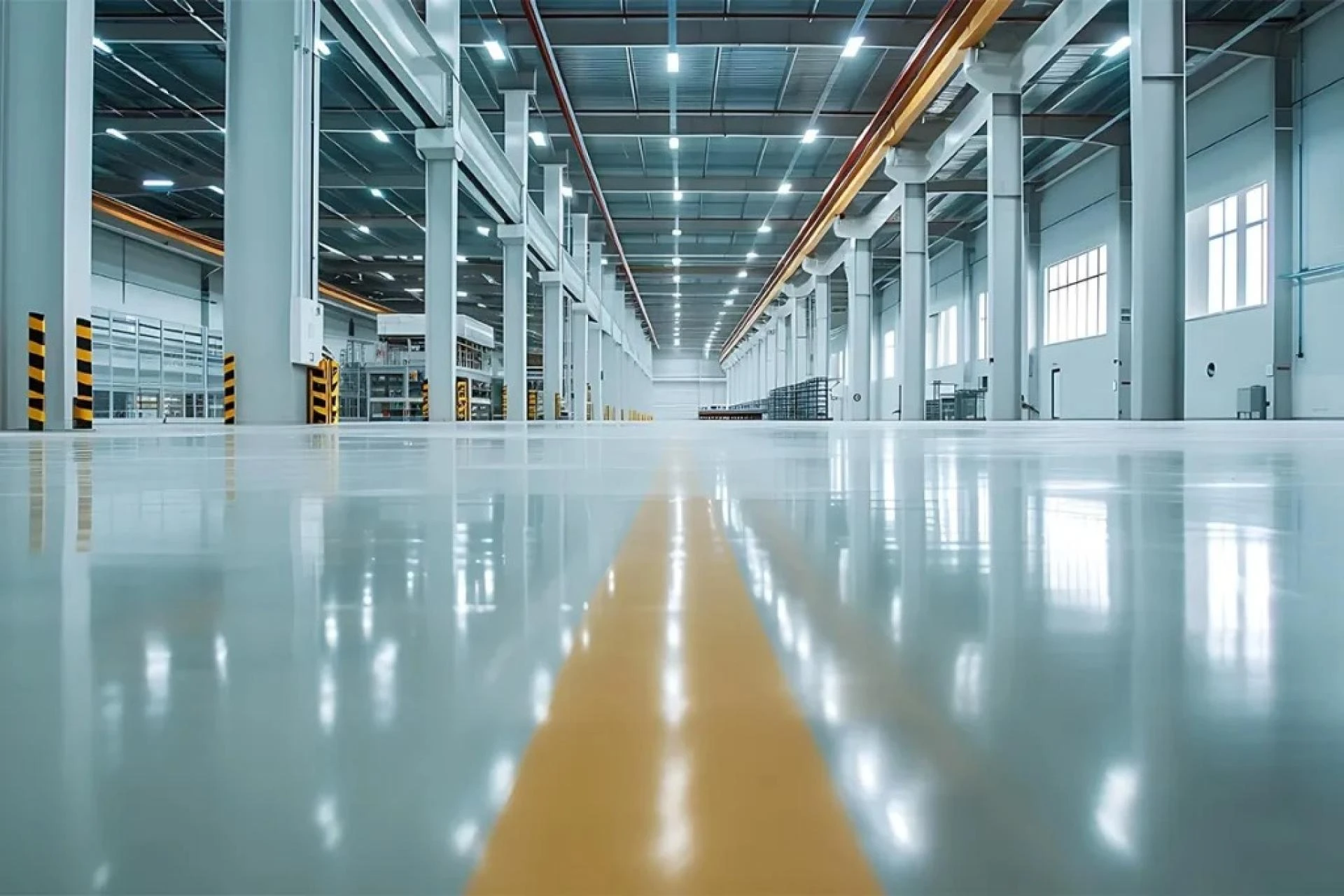
For new constructions, integrating air sealing early in the process ensures that the building operates at peak efficiency from day one. Many contractors now recommend polyurea coatings for high-traffic or industrial floor areas to complement the wall and ceiling insulation, providing a comprehensive protective shell.
Professional Insulation Assistance in Wisconsin
For those managing commercial properties in West Bend, finding a service provider with the right equipment for large-scale projects is essential. They should be able to offer a range of solutions, from closed-cell spray foam to dense-pack cellulose and thermal barrier coatings. Proseal Spray Foam works with commercial clients to identify the most effective materials for their specific architectural needs. To discuss a project or request an assessment, they can be reached at (715) 227-6295 or via email at [email protected]. Engaging an expert ensures the application meets local codes and provides the maximum possible energy savings for the life of the building.
Evaluating Your Commercial Energy Strategy
Improving the insulation in a large-scale commercial space is a technical process that requires a clear understanding of building science. Property owners should look at their facility as a complete system rather than just a collection of walls and a roof. By focusing on both thermal resistance and air sealing, businesses can create a more comfortable environment for employees and significantly lower their overhead costs. It is worth reviewing current utility trends and inspecting the building envelope for visible signs of wear or air gaps before choosing a path forward.
FAQ’s
Does spray foam insulation provide structural support?
While not a primary structural member, closed-cell spray foam has a high density that can increase the racking strength of walls and the wind uplift resistance of roof decks. This is particularly useful for large metal buildings that may experience vibrations or heavy wind loads.
How does insulation impact indoor air quality?
By creating a tighter seal, high-quality insulation prevents outdoor pollutants, dust, and allergens from entering the workspace. It also helps control humidity, which reduces the likelihood of mold and mildew growth in wall cavities.
Can insulation be added without disrupting business operations?
Many modern application methods, such as blown-in cellulose or certain spray applications, can be performed in sections or during off-hours. This allows West Bend businesses to upgrade their energy efficiency without closing their doors to customers or halting production.
What is the lifespan of commercial-grade insulation?
Materials like spray foam and certain cellulose products are designed to last the lifetime of the building. Unlike fiberglass, which can sag or settle over time, these materials maintain their shape and R-value for decades if protected from direct UV light and physical damage.
ensures the application meets local codes and provides the maximum possible energy savings for the life of the building.
























Sign in to leave a comment.