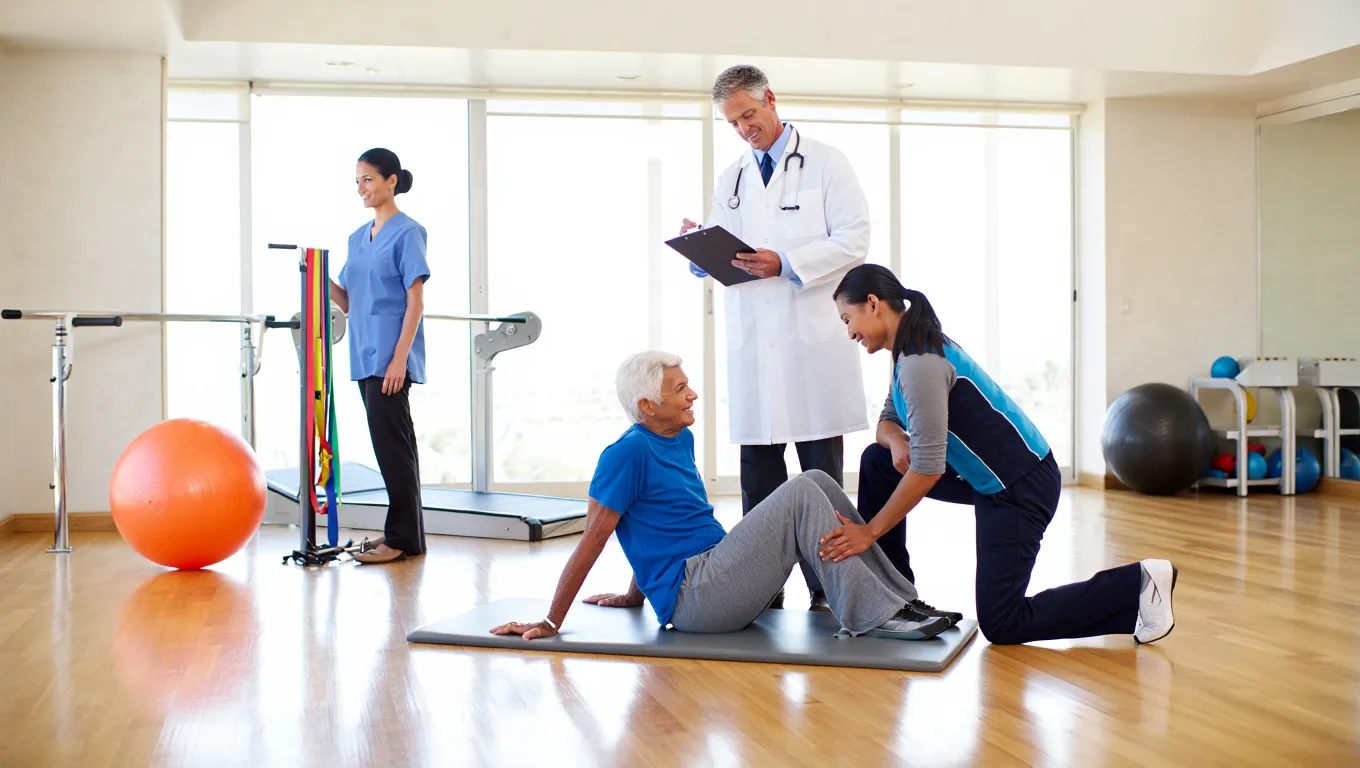

Recovery is not just about healing from an injury or condition—it’s about getting back to living a normal, independent life. This is where Integrated Physical Medicine & Rehabilitation (PMR) stands out. Instead of focusing only on medical treatment, it helps individuals regain the ability to perform everyday activities with confidence and ease.
By combining multiple therapies into one structured plan, integrated PMR supports both short-term recovery and long-term well-being.
What Does “Improving Daily Life” Mean in Rehabilitation?
For many patients, the real goal of rehabilitation is simple: being able to return to daily routines without difficulty. This includes tasks like:
- Walking without support
- Climbing stairs
- Getting dressed independently
- Cooking and eating comfortably
- Returning to work or hobbies
Integrated PMR focuses on restoring these abilities in a practical and sustainable way.
How Integrated PMR Supports Everyday Functioning
1. Restoring Movement and Mobility
Through physiotherapy and guided exercises, patients gradually regain strength, flexibility, and balance. This makes daily movements smoother and safer.
2. Improving Independence
Occupational therapy helps patients relearn essential life skills. From personal care to household tasks, patients become more self-reliant over time.
3. Managing Pain Effectively
Chronic pain can interfere with even simple activities. Integrated PMR uses a combination of therapies to reduce pain and improve comfort without over-dependence on medication.
4. Enhancing Mental Confidence
Recovery often comes with emotional challenges. Psychological support within integrated PMR helps patients rebuild confidence and stay motivated.
5. Building Endurance and Stamina
Structured rehabilitation programs improve overall fitness, allowing patients to perform daily tasks without fatigue.
Long-Term Health Benefits of Integrated PMR
Beyond immediate recovery, integrated PMR plays a key role in maintaining long-term health.
1. Prevention of Future Problems
By addressing posture, movement patterns, and lifestyle habits, integrated PMR reduces the risk of recurring injuries or chronic conditions.
2. Better Lifestyle Habits
Patients receive guidance on exercise routines, diet, and daily habits that support long-term wellness.
3. Continuous Monitoring and Support
Regular follow-ups and progress tracking ensure that recovery stays on the right path, even after initial treatment ends.
4. Improved Overall Quality of Life
When physical ability, mental health, and independence improve together, patients experience a significant boost in their overall quality of life.
Why a Structured Integrated Approach Matters
Without a coordinated plan, recovery can become slow and inconsistent. Integrated PMR ensures that all therapies work together, leading to:
- Faster progress
- Better results
- More efficient use of time and effort
- Consistent improvement across all areas
This structured approach makes rehabilitation more effective and reliable.
Choosing the Right Rehabilitation Center
The benefits of integrated PMR depend greatly on the quality of care provided. A well-established center with experienced professionals and advanced facilities can make a significant difference.
For those looking to improve daily functioning and achieve long-term health through a holistic rehabilitation approach, exploring services at the best PMR hospital in India provides access to comprehensive care programs designed to support complete recovery and sustained well-being.
Final Thoughts
Integrated PMR goes beyond basic rehabilitation by focusing on real-life outcomes—helping individuals regain independence, confidence, and a better quality of life.
With the right combination of therapies, expert guidance, and consistent effort, patients can not only recover but also build a healthier and more active future.
























Sign in to leave a comment.