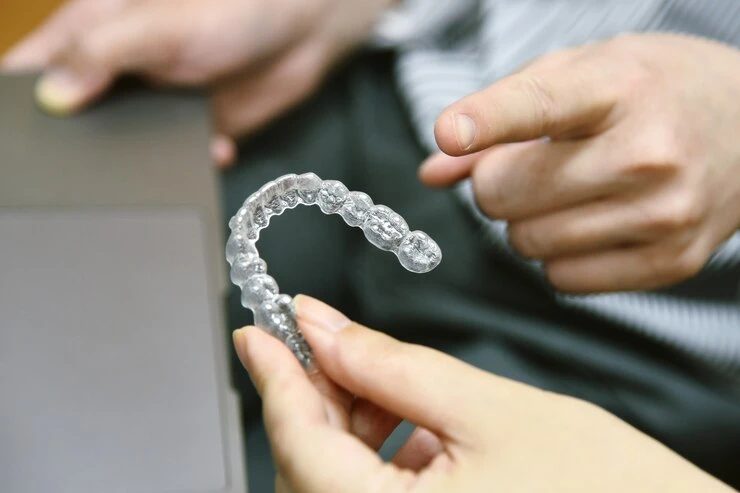

In recent years, Invisalign has become a popular alternative to traditional metal braces for straightening teeth. This innovative orthodontic treatment utilises a series of clear, removable aligners to gradually move teeth into their desired positions. Many people prefer Invisalign due to its discreet appearance and the convenience of being able to remove the aligners for eating and cleaning. If you are considering this treatment, understanding how Invisalign works can help you decide if it is the right option for you.
This guide will take you through the step-by-step process of Invisalign treatment.
Step 1: Initial Consultation
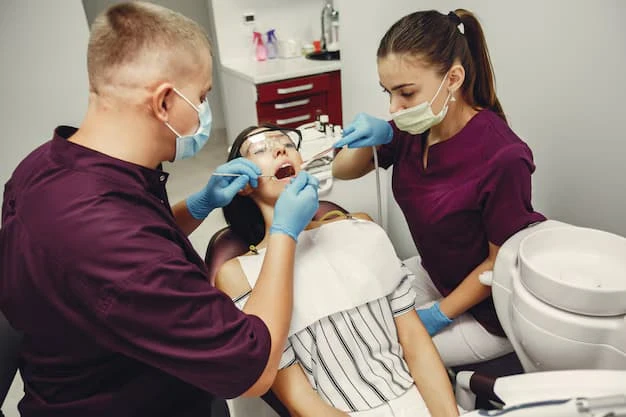
The journey to a straighter smile begins with an initial consultation with an experienced orthodontist or dentist. During this visit, the practitioner will assess your dental health and discuss your specific concerns and goals. This assessment may include:
- Dental History: The practitioner will review your dental history, including any previous orthodontic treatments, cavities, or gum disease.
- Clinical Examination: A thorough examination of your teeth, gums, and jaw alignment will be conducted. This is essential for determining the most appropriate treatment plan.
- X-rays and Imaging: Digital X-rays and photographs of your teeth and face may be taken. These images help in creating a precise treatment plan.
After the consultation, the practitioner will inform you if you are a suitable candidate for Invisalign and explain the benefits and limitations of the treatment.
Step 2: Custom Treatment Plan
If you decide to proceed with Invisalign, the next step involves creating a custom treatment plan tailored to your needs. This process typically includes:
- 3D Scanning: A digital scan of your teeth is taken using advanced imaging technology. This scan provides a highly accurate representation of your dental structure.
- Treatment Simulation: The digital scan is used to create a 3D simulation of your treatment plan. You will be able to see how your teeth will gradually shift into the desired position over time.
- Aligner Production: Based on the treatment plan, a series of custom aligners will be manufactured. Each aligner is designed to make slight adjustments to the position of your teeth.
The entire process of creating your treatment plan usually takes a few weeks, during which you will be kept informed about the progress.
Step 3: Receiving Your Aligners
Once your aligners are ready, you will return to the clinic to receive them. During this appointment, your practitioner will:
- Review Instructions: They will explain how to wear and care for your aligners. It is crucial to follow these instructions for optimal results.
- Fit Check: Your practitioner will ensure that each aligner fits correctly and comfortably. If any adjustments are needed, they will be made during this visit.
Typically, you will receive several sets of aligners at once, allowing you to change to the next set at home every one to two weeks, as directed by your practitioner.
Step 4: Wearing Your Aligners
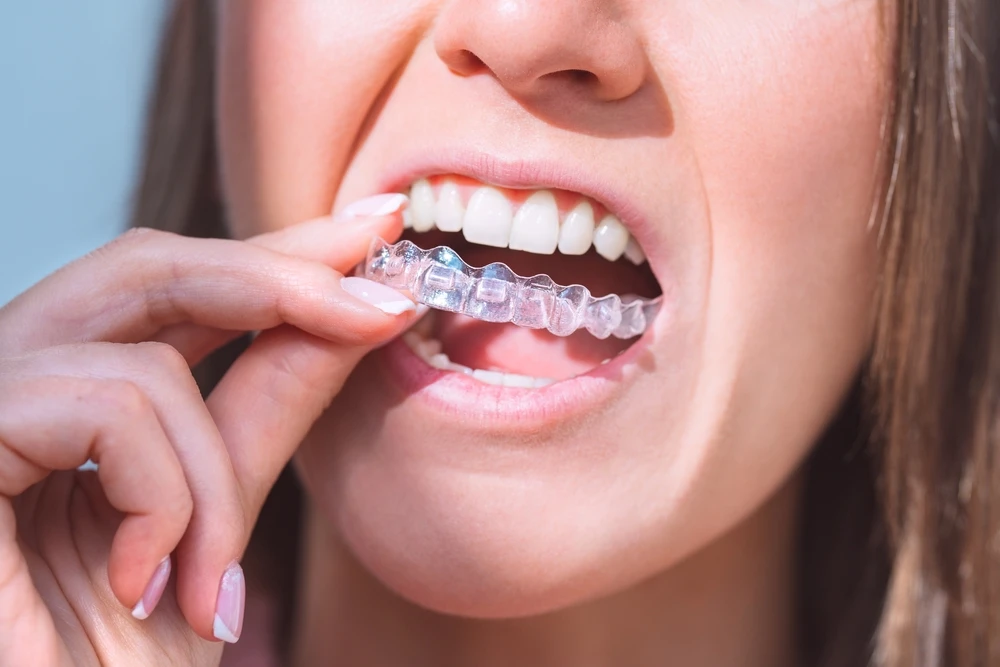
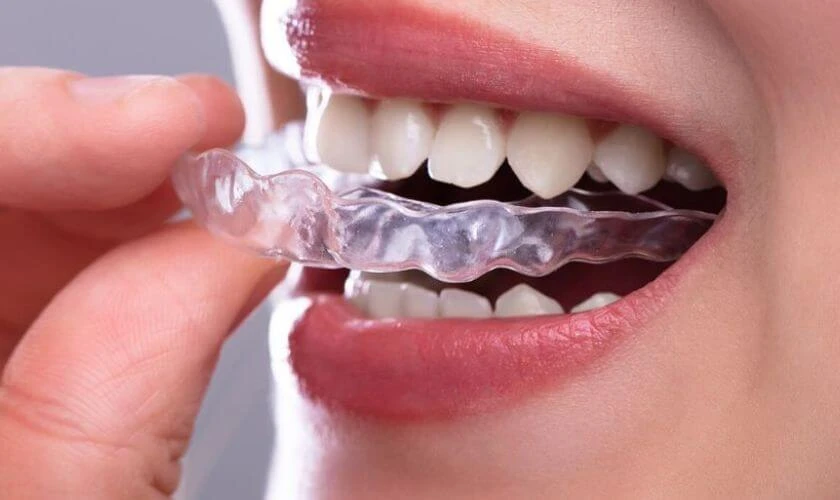
Wearing your aligners is crucial for the success of the treatment. Here are some key guidelines to follow:
- Daily Wear: Aligners should be worn for 20 to 22 hours a day. This means you should only remove them for eating, drinking, brushing, and flossing.
- Consistency: It is essential to wear your aligners consistently. Missing hours can prolong the treatment duration and affect the final results.
- Changing Aligners: You will switch to a new set of aligners every one to two weeks, as instructed. Each new aligner will gradually move your teeth closer to the desired position.
Step 5: Regular Check-Ups
Throughout your Invisalign treatment, regular check-ups with your orthodontist or dentist are necessary to monitor progress. These appointments typically occur every six to eight weeks and may include:
- Progress Assessment: Your practitioner will examine how your teeth are responding to the aligners and make any necessary adjustments to the treatment plan.
- New Aligners: If your treatment requires additional aligners, they will be provided during these visits.
- Addressing Concerns: If you have any questions or concerns about your treatment, these appointments are a great opportunity to discuss them with your practitioner.
Step 6: Maintaining Oral Hygiene
Maintaining good oral hygiene is crucial during your Invisalign treatment. Here are some tips to ensure your dental health remains optimal:
- Brushing and Flossing: Continue to brush your teeth at least twice a day and floss daily. This helps remove any food particles and plaque that may accumulate while wearing the aligners.
- Cleaning Aligners: Clean your aligners regularly using a soft toothbrush and lukewarm water. Avoid using hot water, as it can warp the aligners.
- Avoid Staining: Remove your aligners before consuming food and drinks other than water. Be cautious with substances that can stain, such as coffee, tea, or red wine.
Step 7: Completing Treatment
Once you have worn all your aligners and your teeth have moved into their desired positions, your treatment will come to an end. At this stage:
- Final Assessment: Your practitioner will evaluate the final results and ensure that your teeth are properly aligned.
- Retainers: To maintain your new smile, you will likely need to wear retainers. Retainers help prevent your teeth from shifting back to their original positions. Your practitioner will provide instructions on how long you should wear them, typically for a few months full-time, followed by part-time wear.
Benefits of Invisalign
Invisalign offers several benefits compared to traditional braces, making it a popular choice for many individuals seeking orthodontic treatment:
- Aesthetic Appeal: The clear aligners are virtually invisible, allowing you to smile confidently during treatment.
- Comfort: Unlike metal braces, Invisalign aligners are smooth and custom-fit to your teeth, reducing the risk of irritation.
- Convenience: The ability to remove the aligners for eating and oral hygiene makes it easier to maintain a normal lifestyle and dental care routine.
- Predictable Results: The use of advanced technology allows for a clear treatment plan, enabling you to visualise how your teeth will move over time.
Potential Challenges
While Invisalign is an effective treatment option, there are some challenges to be aware of:
- Discipline Required: Success depends on wearing the aligners as directed. Those who struggle with consistency may experience extended treatment times.
- Initial Discomfort: Some individuals may experience mild discomfort or pressure when switching to a new aligner, but this typically subsides quickly.
- Not Suitable for Everyone: Complex orthodontic issues may require traditional braces for effective treatment. A thorough evaluation by a dental professional will determine if Invisalign is appropriate for your situation.
Understanding how Invisalign works can empower you to make informed decisions about your orthodontic treatment. By following the outlined steps and adhering to your practitioner’s guidance, you can achieve a straighter, healthier smile with this modern approach to orthodontics. Whether you are seeking to enhance your appearance or improve your dental health, Invisalign offers a path towards achieving your goals with minimal disruption to your daily life.












Sign in to leave a comment.