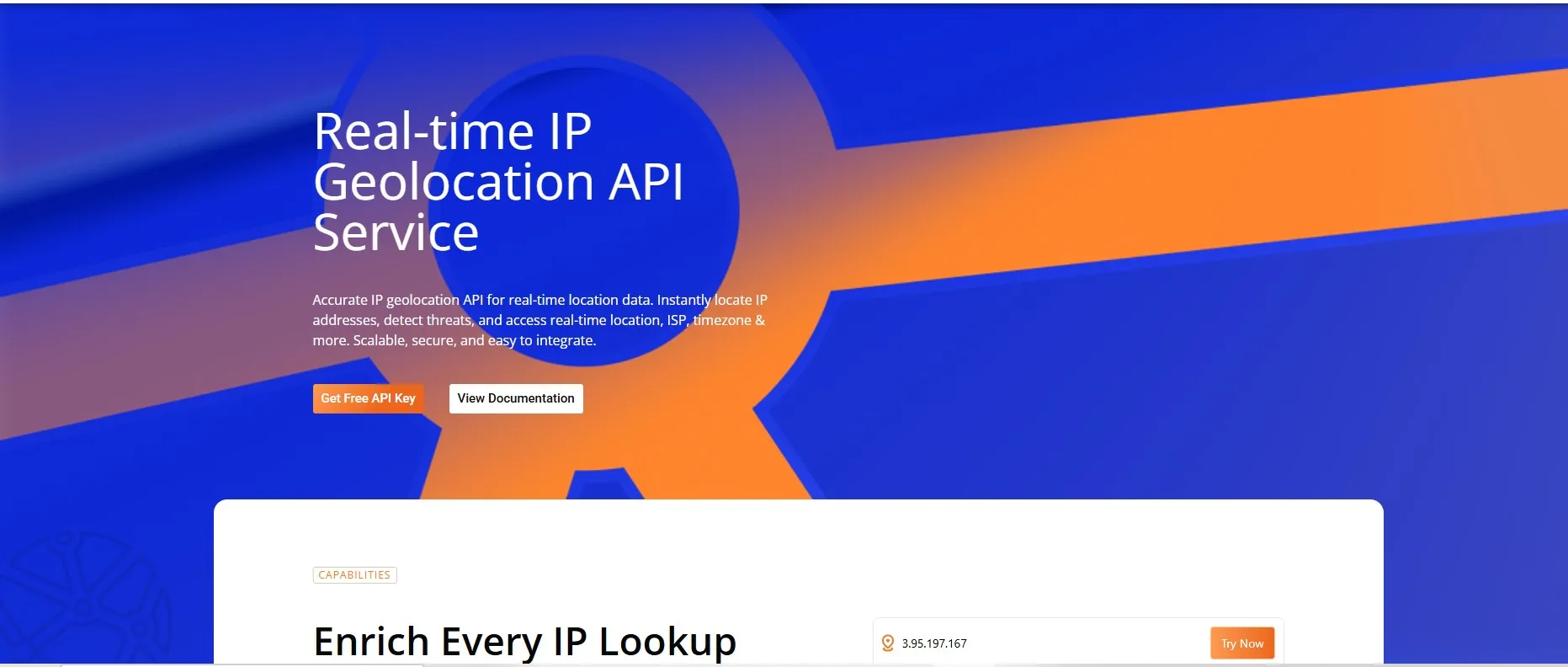

Understanding where internet traffic originates has become essential for businesses, developers, and network administrators. An ip address location lookup helps identify the geographic location associated with an IP address, providing valuable insights into user behavior, security risks, and network performance. Whether you're managing a website, monitoring suspicious traffic, or improving customer experiences, location intelligence can play a significant role in decision-making.
What Is an IP Address Location Lookup?
An IP address location lookup is a process that maps an IP address to geographic information such as country, region, city, postal code, latitude, longitude, and sometimes internet service provider details. While it does not reveal an exact physical address, it provides enough location data to help organizations understand where users and network requests are coming from.
As internet usage continues to grow worldwide, businesses increasingly rely on location-based insights to optimize services, personalize content, and strengthen cybersecurity strategies.
Why Network Visibility Matters
Network visibility refers to the ability to monitor, analyze, and understand traffic moving through a network. Without accurate visibility, organizations may struggle to identify performance bottlenecks, detect cyber threats, or understand user activity patterns.
Location intelligence adds another layer of context to network monitoring. Instead of simply seeing an IP address, administrators can determine the approximate geographic origin of traffic. This information helps distinguish legitimate users from potentially malicious actors and supports more informed security decisions.
Enhancing Cybersecurity with Location Data
One of the biggest advantages of using location lookup technology is improved security. Cybercriminals often attempt unauthorized access from regions where a business has no customers or operations.
By analyzing location data, security teams can quickly identify unusual login attempts and suspicious traffic patterns. For example, if an employee account suddenly receives login attempts from multiple countries within a short period, it may indicate credential theft or account compromise.
Combining location insights with a valid ip checker can further improve security by validating IP address formats and identifying potentially suspicious requests before they reach critical systems.
Understanding User Behavior and Traffic Sources
Businesses need to understand where their audiences are located in order to make data-driven decisions. Geographic insights can reveal which regions generate the most traffic, conversions, or engagement.
For example, an e-commerce company may discover that a significant percentage of visitors come from a specific country. This insight can influence marketing campaigns, shipping strategies, and language localization efforts.
Similarly, content publishers can tailor articles, promotions, and recommendations based on regional interests and preferences, creating a more personalized user experience.
Supporting Fraud Detection Efforts
Online fraud remains a major challenge across industries. Fraudulent transactions often originate from unexpected locations or use techniques to conceal their true origin.
Location-based intelligence helps identify anomalies by comparing transaction locations with historical user behavior. If a customer typically logs in from one region but suddenly initiates a transaction from another continent, additional verification measures can be triggered.
When combined with geo location by ip capabilities, organizations gain valuable context that supports faster fraud detection and response.
Improving Content Personalization
Modern users expect personalized online experiences. Geographic information allows businesses to deliver more relevant content based on user location.
For example, websites can display region-specific pricing, local promotions, language preferences, and location-relevant content. Streaming platforms often use geographic information to determine content availability, while travel websites customize recommendations based on a visitor's location.
As a result, users receive more relevant experiences, which can improve engagement and conversion rates.
Optimizing Network Performance
Location data can also contribute to better network performance. By understanding where users are concentrated, organizations can optimize server placement, content delivery strategies, and infrastructure investments.
For example, if analytics reveal a growing user base in a particular region, businesses may choose to deploy additional infrastructure closer to those users. This reduces latency and improves overall performance.
Network teams can also identify geographic traffic trends that help with capacity planning and future scalability initiatives.
The Role of APIs in Location Intelligence
Manual IP lookups can be useful for occasional checks, but businesses often require automated solutions that integrate directly into applications and workflows.
This is where tools such as an ip lookup tool become valuable. Automated services allow developers to retrieve location data in real time, enabling dynamic applications that respond instantly to geographic information.
For instance, developers can automatically customize website content, trigger fraud prevention workflows, or generate location-based analytics reports without manual intervention.
Choosing the Right IP Intelligence Solution
When evaluating IP intelligence solutions, accuracy, reliability, speed, and data coverage are important considerations. Organizations should look for solutions that provide regularly updated databases and comprehensive geographic information.
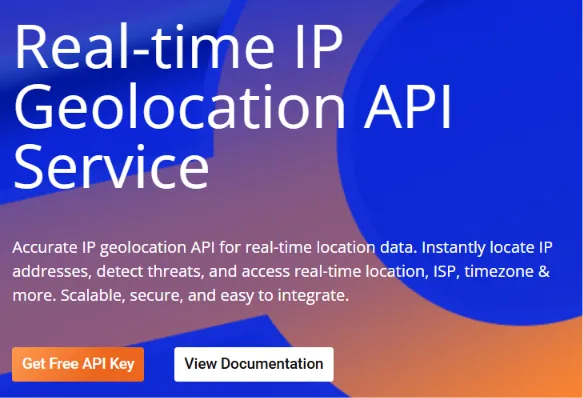
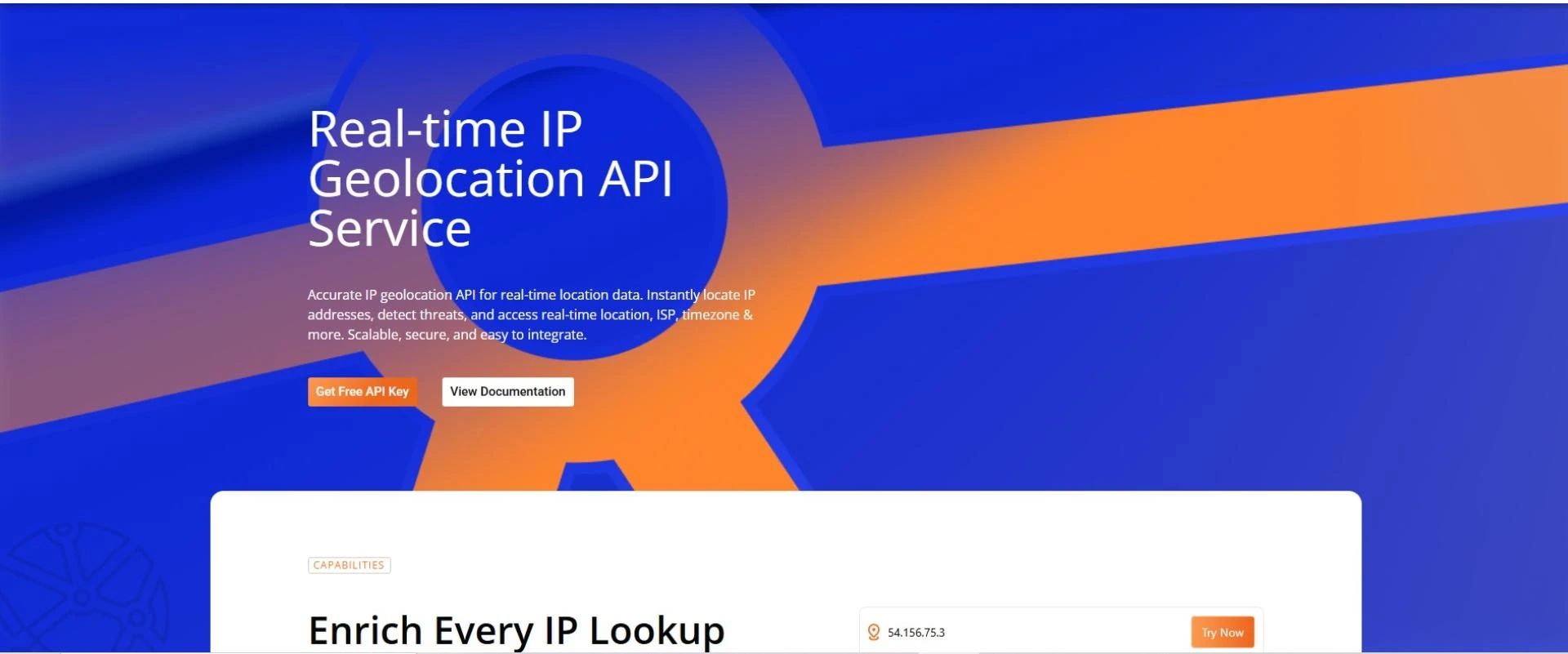
Platforms such as Ipstack offer access to location intelligence data that can support a wide range of business, analytics, and security use cases. Businesses should also consider scalability requirements and integration capabilities when selecting a solution.
Additionally, some organizations may require advanced datasets that include ISP information, connection types, and threat intelligence indicators to support more sophisticated use cases.
Best Practices for Using IP Location Data
To maximize the value of IP location information, organizations should combine geographic insights with other data sources rather than relying solely on location data. While location lookup provides valuable context, it should be part of a broader analytics and security strategy.
Regularly updating location databases is also important because IP address assignments can change over time. Maintaining accurate data helps improve decision-making and reduces the likelihood of incorrect conclusions.
Furthermore, businesses should remain mindful of privacy regulations and ensure that location data is collected and processed responsibly.
Conclusion
Location intelligence has become an essential component of modern network management, cybersecurity, fraud prevention, and customer experience optimization. An ip address location lookup provides valuable insights into where traffic originates, helping organizations make smarter operational and security decisions. Whether you're analyzing user behavior, improving network performance, or enhancing fraud detection, location-based data offers meaningful advantages. By leveraging tools such as an ipinfo api, implementing geo location by ip capabilities, using a valid ip checker, and integrating a reliable geolocation api, organizations can unlock deeper visibility and create more secure, efficient digital experiences.
FAQs
What is an IP address location lookup?
An IP address location lookup is a process that identifies the approximate geographic location associated with an IP address, including details such as country, city, and region.
How accurate is geo location by IP?
Geo location by IP is generally accurate at the country level and reasonably accurate at the city level, though exact locations cannot always be determined.
Why should businesses use an IP lookup tool?
An IP lookup tool helps businesses improve security, analyze traffic sources, personalize content, and detect suspicious activities more effectively.
What is a valid IP checker used for?
A valid IP checker verifies whether an IP address follows proper formatting standards and can help identify invalid or potentially problematic addresses.
How does a geolocation API work?
A geolocation api processes IP addresses and returns location-related information through automated requests, enabling real-time integration within websites and applications.


























Sign in to leave a comment.