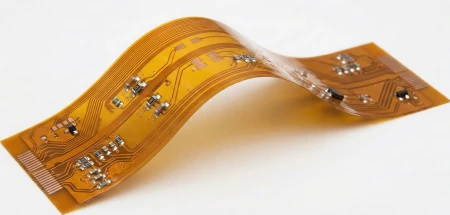

Modern electronics demand lighter, thinner, and more compact designs. From medical devices and automotive dashboards to aerospace systems and wearable technology, flexibility is no longer optional—it’s essential. That’s where a professional Flex PCB Manufacturer plays a critical role.
Unlike rigid boards, a Flexible Circuit Board can bend, fold, and twist without breaking electrical connections. But how exactly is a Flex PCB manufactured? Understanding the step-by-step PCB Fabrication process helps engineers make better design decisions and avoid costly production errors.
In this guide, we’ll walk through the complete manufacturing process used by an experienced Flex PCB Manufacturer in the USA.
Step 1: Design & Material Selection for Flexible PCB Board
Every successful Flex PCB begins with proper design planning. The choice of substrate material is crucial. Most flexible boards use polyimide film due to its thermal stability, mechanical strength, and flexibility.
Key design considerations include:
- Bend radius calculation
- Copper thickness selection
- Adhesive vs. adhesiveless laminates
- Single-sided, double-sided, or multilayer configuration
An experienced Flexible PCB Manufacturer reviews Gerber files, stack-up requirements, and mechanical drawings before production begins. Early DFM (Design for Manufacturability) checks reduce risk during fabrication.
In many USA-based applications, especially aerospace and medical devices, precision at this stage is non-negotiable.
Step 2: Base Material Preparation
Once materials are selected, the Flexible Circuit Board fabrication begins with base laminate preparation. The polyimide substrate is laminated with copper foil, which forms the conductive layer.
This copper-clad laminate serves as the foundation of the Flexible PCB board. Cleanroom handling is critical here to prevent contamination, which can impact circuit performance later in the process.
Step 3: Circuit Imaging and Etching
Next comes circuit pattern formation.
- A photoresist layer is applied over the copper surface.
- UV light exposure transfers the circuit design onto the panel.
- The unexposed areas are developed away.
- Chemical etching removes unwanted copper.
What remains is the desired copper circuitry for the Flex PCB.
Precision during imaging is vital because flexible materials expand and contract more than rigid FR4 substrates. A skilled Flex PCB Manufacturer compensates for dimensional stability during this stage.
Step 4: Drilling and Via Formation
If the Flexible PCB board requires plated through-holes or microvias, drilling is performed using high-precision CNC or laser systems.
After drilling:
- Holes are cleaned and prepared.
- Copper plating is deposited inside the holes.
- Electrical connectivity between layers is established.
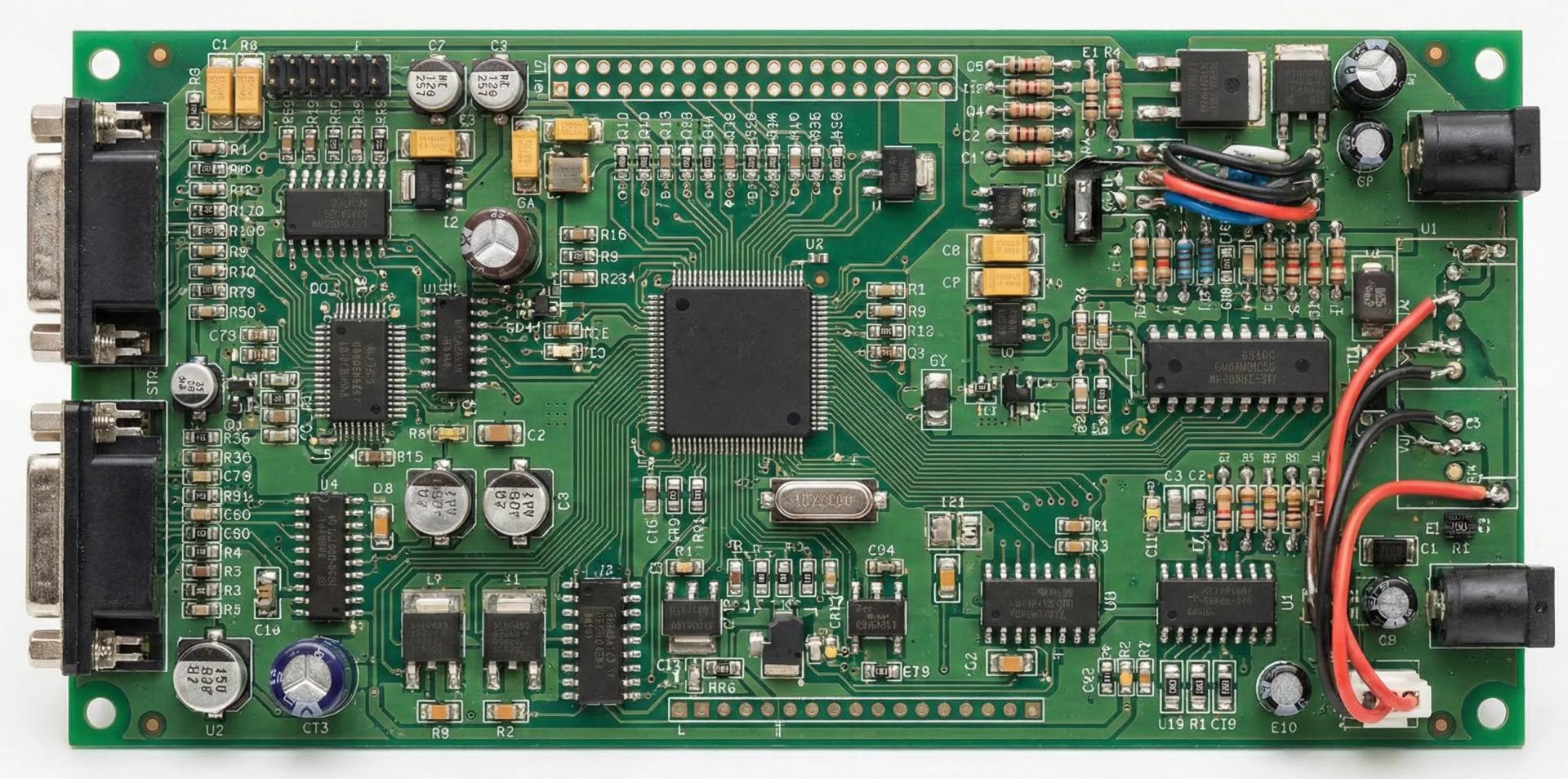
For multilayer or Rigid Flex PCB configurations, this stage becomes more complex, as alignment between rigid and flexible sections must be exact.
A reliable Flexible PCB Manufacturer ensures tight registration tolerance to maintain electrical integrity.
Step 5: Coverlay Application
Unlike rigid boards that use a solder mask, a Flexible Circuit Board typically uses a coverlay layer.
Coverlay is a flexible polyimide film bonded over the copper traces for insulation and protection. Openings are precisely created for pads and solder points.
This step:
- Protects copper traces from oxidation
- Enhances durability during bending
- Improves insulation properties
Proper lamination pressure and temperature control are essential in Flex PCB in Fabrication, as excess stress can deform the substrate.
Step 6: Surface Finishing
To ensure solderability and long-term reliability, surface finishes are applied to exposed pads. Common finishes include:
- ENIG (Electroless Nickel Immersion Gold)
- HASL (Hot Air Solder Leveling)
- OSP (Organic Solderability Preservative)
The finish selection depends on the application and assembly method.
A professional Flex PCB Manufacturer in the USA will recommend the most suitable finish based on end-use requirements, especially for high-reliability sectors like defense and medical.
Step 7: Stiffener Attachment (If Required)
Many Flexible PCB boards require stiffeners in connector or component areas to provide mechanical support.
Common stiffener materials include:
- FR4
- Polyimide
- Stainless steel
Stiffeners prevent stress concentration and ensure stable PCB Assembly in designated areas.
Step 8: Electrical Testing and Quality Inspection
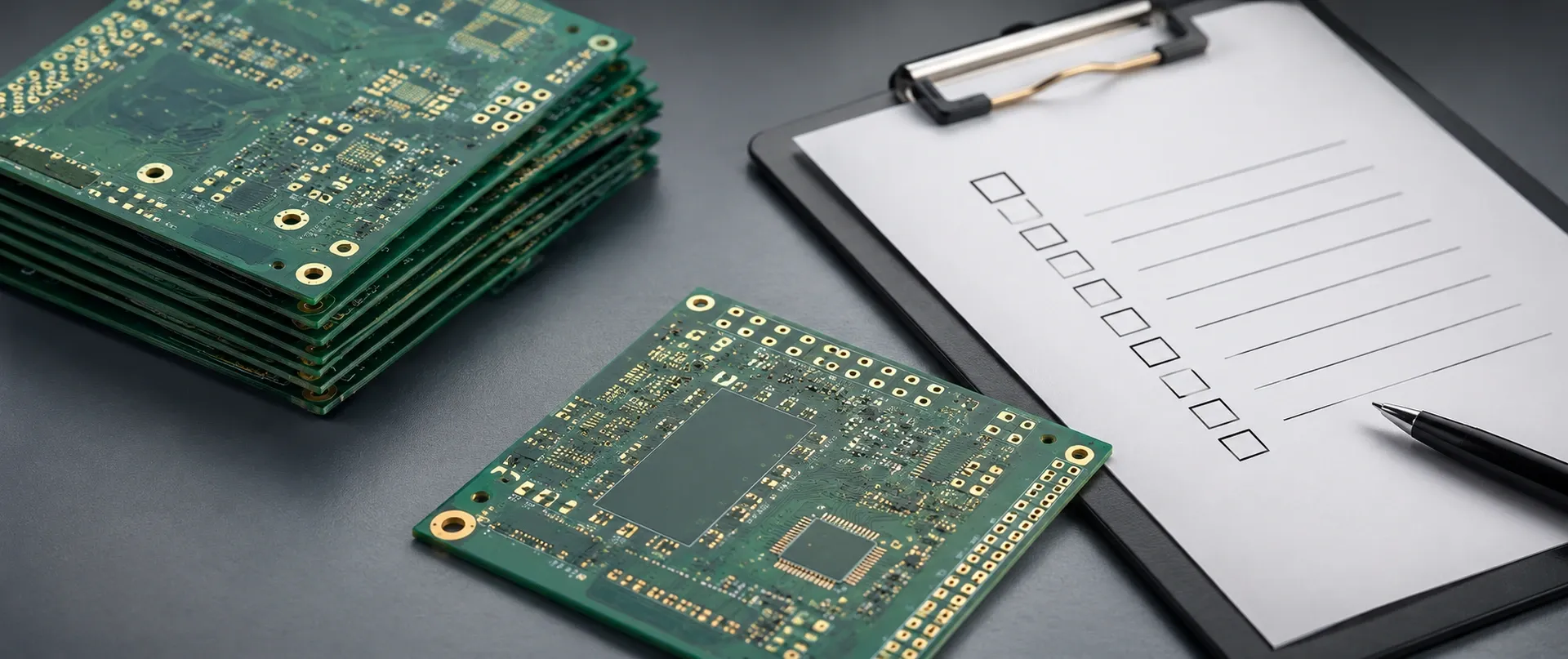
Before shipment, every Flex PCB undergoes rigorous electrical testing.
Testing includes:
- Continuity testing
- Isolation testing
- Dimensional inspection
- Visual quality checks
In USA markets, IPC compliance and strict quality benchmarks are expected. A dependable Flexible PCB Manufacturer follows IPC standards to ensure performance and durability.
Step 9: Final PCB Fabrication and Delivery
At this stage, the Flex PCB in Fabrication process is complete, and boards are ready for PCB Assembly or integration into final products.
When working with a full-service provider, PCB Fabrication and assembly coordination can significantly streamline production timelines.
Why Partner with PCB Power in the USA for Flex PCB Manufacturing?
Flex circuits demand specialized expertise, advanced equipment, and strict process control. PCB Power in the USA combines precision engineering with USA-focused manufacturing standards.
When you Partner with PCB Power, you gain access to:
- Advanced Flex PCB and Rigid Flex PCB capabilities
- DFM and engineering support
- High-quality PCB Fabrication services
- Reliable turnaround times
Choosing an experienced Flex PCB Manufacturer ensures your flexible electronics meet both mechanical and electrical expectations without compromise.
Know More: https://www.pcbpower.us/blog/flex-pcb-manufacturer-usa





















Sign in to leave a comment.