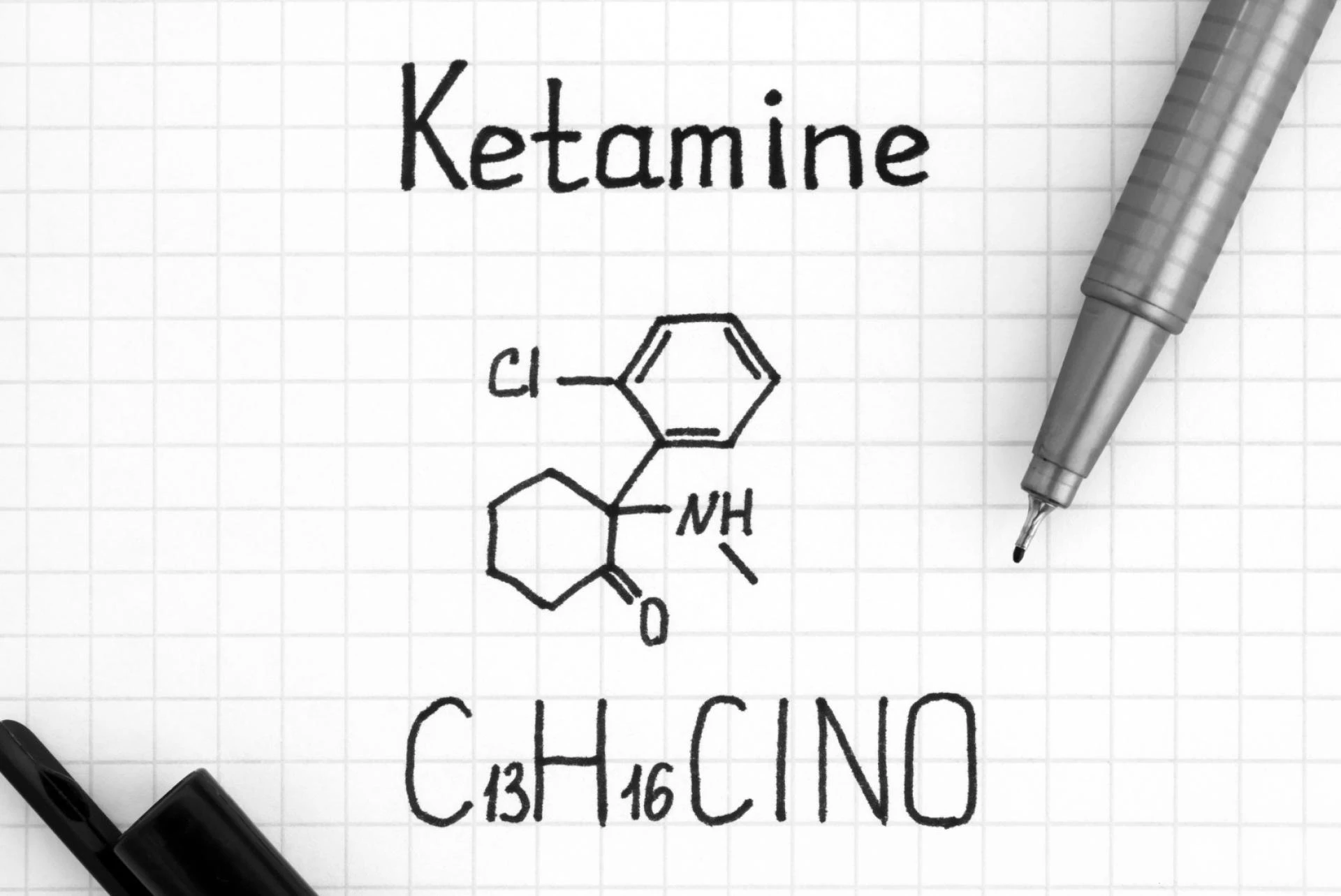

In recent years, ketamine therapy has emerged as a groundbreaking treatment for various mental health conditions. Its rapid and robust effects have brought new hope to individuals struggling with depression, anxiety, PTSD, and other psychiatric disorders. This article explores the transformative impact of ketamine therapy, delving into its history, mechanisms, benefits, and future potential in mental health care.
Understanding Ketamine: A Brief History
Ketamine was first synthesized in the 1960s and initially used as an anesthetic during the Vietnam War. Its dissociative properties made it effective in managing pain and inducing anesthesia. However, it wasn’t until the early 2000s that researchers began to uncover its potential as a treatment for mental health conditions.
The Shift to Mental Health Treatment
In the early 21st century, clinical studies revealed that ketamine could produce rapid antidepressant effects in patients with treatment-resistant depression. This discovery marked a significant shift in the perception and use of ketamine, transforming it from a mere anesthetic to a promising psychiatric medication.
How Ketamine Works: Mechanisms of Action
Understanding how ketamine works to alleviate symptoms of mental health conditions involves exploring its complex interactions with the brain.
NMDA Receptor Antagonism
Ketamine primarily functions as an N-methyl-D-aspartate (NMDA) receptor antagonist. By blocking these receptors, ketamine increases the levels of glutamate, a neurotransmitter that plays a crucial role in brain plasticity and function. This process leads to the formation of new neural connections, which is essential for improving mood and cognitive function.
Impact on Brain-Derived Neurotrophic Factor (BDNF)
Research indicates that ketamine also influences the production of brain-derived neurotrophic factor (BDNF), a protein associated with the growth and maintenance of neurons. Elevated BDNF levels contribute to the antidepressant effects of ketamine, promoting neurogenesis and synaptic plasticity.
Modulation of Other Neurotransmitter Systems
In addition to its effects on glutamate and BDNF, ketamine modulates other neurotransmitter systems, including dopamine and serotonin. These interactions further enhance its antidepressant and anxiolytic properties, making it a versatile treatment option for various psychiatric disorders.
Benefits of Ketamine Therapy
The benefits of ketamine therapy extend beyond its rapid antidepressant effects. Here are some key advantages:
Rapid Onset of Action
One of the most significant benefits of ketamine therapy is its rapid onset of action. Traditional antidepressants can take weeks or even months to produce noticeable effects, whereas ketamine often leads to improvements within hours or days. This rapid response is crucial for individuals experiencing severe depression or suicidal ideation.
Efficacy in Treatment-Resistant Cases
Ketamine has proven effective in individuals who have not responded to other treatments. For those with treatment-resistant depression, ketamine therapy offers a new avenue for relief, often succeeding where conventional medications have failed.
Reduction of Suicidal Ideation
Studies have shown that ketamine can quickly reduce suicidal thoughts, providing a critical intervention for individuals at immediate risk. This effect is particularly important in acute psychiatric settings, where rapid stabilization is essential.
Potential for Long-Term Benefits
While the immediate effects of ketamine are well-documented, ongoing research suggests that repeated treatments may lead to sustained improvements in mood and functioning. This potential for long-term benefits makes ketamine an attractive option for chronic mental health conditions.
Ketamine Therapy in Practice
Ketamine therapy is typically administered in specialized clinics under the supervision of trained professionals. The treatment process involves several key steps:
Initial Consultation and Assessment
Before starting ketamine therapy, patients undergo a thorough evaluation to determine their suitability for the treatment. This assessment includes a review of medical history, current medications, and mental health status.
Administration Methods
Ketamine can be administered through various methods, including intravenous (IV) infusion, intramuscular injection, and intranasal spray. IV infusion is the most common and preferred method due to its controlled and precise delivery.
Monitoring and Support
During the treatment session, patients are closely monitored by medical staff to ensure safety and manage any potential side effects. The supportive environment helps alleviate anxiety and provides reassurance throughout the process.
Post-Treatment Follow-Up
After the session, patients typically receive follow-up care to assess the treatment’s effectiveness and address any lingering concerns. This follow-up is crucial for optimizing outcomes and tailoring the treatment plan to individual needs.
Ketamine Therapy for Specific Mental Health Conditions
Ketamine therapy has shown promise in treating a variety of mental health conditions. Here’s a closer look at its applications:
Depression
Ketamine’s rapid antidepressant effects have made it a valuable tool in treating major depressive disorder (MDD), particularly in cases that are resistant to other treatments. Patients often report significant mood improvements within hours of receiving ketamine therapy.
Anxiety Disorders
Research indicates that ketamine can also alleviate symptoms of anxiety disorders, including generalized anxiety disorder (GAD) and social anxiety disorder (SAD). Its anxiolytic properties help reduce excessive worry and improve overall functioning.
Post-Traumatic Stress Disorder (PTSD)
For individuals with PTSD, ketamine therapy offers a potential solution for managing intrusive memories and hyperarousal. Studies have shown that ketamine can reduce PTSD symptoms and improve quality of life for those affected by trauma.
Bipolar Disorder
Ketamine has demonstrated efficacy in treating depressive episodes associated with bipolar disorder. Its ability to rapidly lift mood without inducing mania makes it a promising option for bipolar depression.
Potential Side Effects and Considerations
Like any treatment, ketamine therapy is not without potential side effects and considerations. Understanding these factors is essential for making informed decisions about its use.
Common Side Effects
The most common side effects of ketamine therapy include dissociation, dizziness, nausea, and increased heart rate. These effects are generally short-lived and subside shortly after the session.
Long-Term Safety
While ketamine therapy is considered safe when administered in controlled settings, concerns about long-term safety remain. Ongoing research aims to better understand the implications of repeated ketamine use and develop strategies to mitigate potential risks.
Individual Variability
Responses to ketamine therapy can vary widely among individuals. Factors such as genetic makeup, medical history, and concurrent medications can influence the treatment’s effectiveness and side effect profile.
Ketamine Therapy in San Diego: A Case Study
San Diego has become a hub for innovative mental health treatments, including ketamine therapy. Clinics like Resilience Integrative Wellness are at the forefront of offering this revolutionary treatment to patients in need.
Why Choose Ketamine Therapy in San Diego?
San Diego’s diverse medical landscape and commitment to cutting-edge research make it an ideal location for receiving ketamine therapy. The city’s mental health professionals are dedicated to providing personalized, evidence-based care.
Success Stories from Resilience Integrative Wellness
Resilience Integrative Wellness has helped numerous patients overcome severe depression and anxiety through ketamine therapy. Their holistic approach, combining ketamine with psychotherapy and lifestyle interventions, has resulted in remarkable transformations.
The Future of Ketamine Therapy
The future of ketamine therapy in mental health treatment looks promising, with ongoing research and innovation paving the way for new applications and improved protocols.
Expanding Applications
Researchers are exploring the potential of ketamine therapy for a broader range of conditions, including chronic pain, obsessive-compulsive disorder (OCD), and substance use disorders. Preliminary findings are encouraging and suggest that ketamine’s versatility may extend beyond traditional psychiatric disorders.
Advancements in Delivery Methods
Innovations in delivery methods, such as oral formulations and wearable devices, are being developed to enhance the convenience and accessibility of ketamine therapy. These advancements aim to make treatment more flexible and patient-friendly.
Integrating Ketamine with Other Therapies
Combining ketamine therapy with other therapeutic modalities, such as cognitive-behavioral therapy (CBT) and mindfulness-based interventions, is an area of active research. Integrative approaches may enhance the overall effectiveness of treatment and provide more comprehensive care.
Conclusion
Ketamine therapy is revolutionizing mental health treatment by offering rapid and effective relief for individuals struggling with various psychiatric conditions. Its unique mechanisms of action, coupled with its potential for long-term benefits, make it a powerful tool in the fight against mental illness. As research continues to evolve, ketamine therapy is poised to play an increasingly prominent role in mental health care, providing hope and hea ling to countless individuals.
FAQs
1. What is ketamine therapy?
Ketamine therapy involves the use of ketamine, a dissociative anesthetic, to treat mental health conditions such as depression, anxiety, and PTSD. It is typically administered through intravenous (IV) infusion, intramuscular injection, or intranasal spray.
2. How does ketamine work for depression?
Ketamine works by blocking NMDA receptors in the brain, leading to increased levels of glutamate and the production of brain-derived neurotrophic factor (BDNF). These effects promote neurogenesis and synaptic plasticity, resulting in rapid antidepressant effects.
3. Is ketamine therapy safe?
When administered in a controlled clinical setting by trained professionals, ketamine therapy is considered safe. Common side effects include dissociation, dizziness, and nausea, which are generally short-lived.
4. How quickly does ketamine therapy work?
Ketamine therapy can produce noticeable improvements in mood within hours or days, making it one of the fastest-acting treatments for depression and other mental health conditions.
5. Where can I find ketamine therapy in San Diego?
Resilience Integrative Wellness in San Diego offers ketamine therapy as part of their comprehensive mental health services. Their holistic approach ensures personalized, evidence-based care for individuals seeking relief from psychiatric disorders.
By embracing ketamine therapy and the expertise of providers like Resilience Integrative Wellness, individuals can experience transformative improvements in their mental health and overall well-being.


























Sign in to leave a comment.