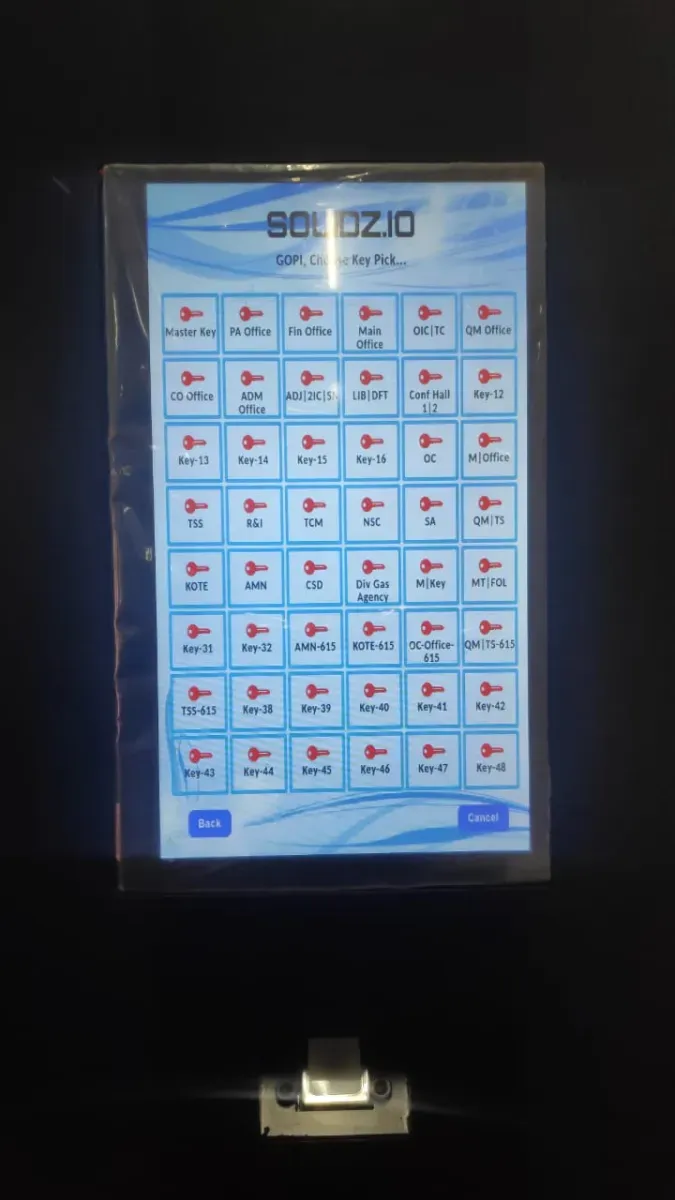

Today, we live in a world where everything revolves around data. This has seen the emergence of various legislations and regulations aimed at ensuring that all organisations take care of their clients’ data. For instance, the GDPR and HIPAA laws require stringent security practices.
It is, therefore, imperative for firms to implement adequate security protocols to ensure compliance. The key management solutions can help achieve this objective by managing encryption keys.
Understanding Key Management in Compliance
GDPR and HIPAA require firms to keep the data of customers safe, and one of the best ways to achieve this goal is through data encryption. It is vital to note that encrypted data is only as secure as the encryption key used. Therefore, key management encompasses generating, securing, distributing, and disposing of encryption keys effectively.
A good digital key management tool guarantees the protection and accessibility of encryption keys in an organisation.
Key Management Facilitation of HIPAA Compliance
HIPAA requires the protection of PHI and the provision of technical safeguards through data encryption and access control.
Some of the key aspects of a digital key management system include:
- Data security: Data is always secured through encryption, such that no one else but authorised users can access it.
- Controlled key management: From creation of the keys up to the time they are destroyed.
- Risk management: This is achieved through key rotation and revocation.
Supporting GDPR Requirements
The GDPR stresses securing personal data and preventing any breach in data protection. Although there are no specific recommendations regarding technology usage, encryption of data and securing personal data are strongly recommended.
Key management solutions support GDPR through the following:
- Encryption of data: Even if the system is breached, the data remains secure.
- Key Access: Keys can only be accessed by authorised individuals.
- Audit Trails: Centralised systems provide logs and tracking, supporting GDPR’s accountability principle
Improving Security Through Lifecycle Management
The GDPR and HIPAA standards place emphasis on constant data security and not simply the implementation of controls. It is through this concept that lifecycle management plays an important role.
A key management solution will play an important role in monitoring the entire process, starting from the generation, distribution, storage, rotation, and eventually deletion of any keys. Key lifecycle management will avoid any risks related to reusing keys, duplicating the keys, and utilising older encryption standards, among other risks that may compromise compliance.
Centralised Control and Policy Enforcement
The current key management software offers centralised solutions, which provide better management, control and policy enforcement.
It is important for businesses under GDPR and HIPAA compliance to have such key management solutions in order to enhance their compliance status.
Conclusion
Effective management practices become critical to satisfy the demands put forward by GDPR and HIPAA to ensure proper encryption, limited access, and total control over the cryptographic keys in their life cycle. With effective key management solution in place, one can ensure enhanced security of personal information as well as simplify the compliance process.





























Sign in to leave a comment.