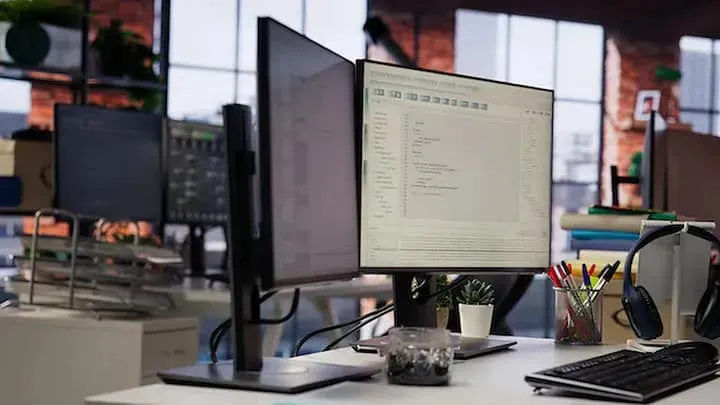

Workplaces increasingly depend on reliable computing equipment to manage communication, administration, customer service, creative work, and daily operations. For many organisations, lease desktops provide a practical way to access suitable technology without requiring a large upfront investment. Desktop leasing allows businesses to spread equipment costs over an agreed period while maintaining access to computers that support everyday responsibilities. This approach can be particularly useful for growing organisations that need dependable technology while preserving available funds for other operational priorities and strategic business development.
Supporting Changing Business Requirements
Workplace technology requirements can change as organisations expand, restructure teams, introduce new software, or adopt different working arrangements. Purchasing large quantities of desktop computers may make it difficult to respond quickly when those requirements change. Leasing can provide greater flexibility because equipment arrangements can be planned around current business needs and reviewed as circumstances develop. This flexibility can help organisations avoid being tied to unsuitable equipment for extended periods, allowing them to consider more appropriate technology when operational requirements, workforce numbers, or software demands change.
Improving Employee Productivity Through Reliable Equipment
Reducing Technology Related Disruptions
Productivity can be significantly affected when employees work with slow, outdated, or unreliable computers. Delays caused by system performance issues can interrupt workflows and create unnecessary frustration throughout the working day. A well planned desktop leasing arrangement can help organisations provide equipment that is appropriate for the tasks employees perform. When computers operate efficiently, employees can spend less time dealing with technical interruptions and more time completing meaningful responsibilities. Reliable equipment can therefore contribute to smoother workflows, better time management, and a more consistent working environment across different departments.
Matching Equipment to Job Responsibilities
Different employees often require different levels of computing performance depending on their responsibilities. Administrative teams may need dependable systems for office applications, communication, and data management, while design, engineering, development, or analytical roles may require stronger processing capabilities. Leasing arrangements can make it easier to select equipment according to individual workplace requirements. By matching desktop specifications with job responsibilities, organisations can avoid providing insufficient technology that slows productivity or unnecessarily expensive systems that exceed practical needs. Appropriate equipment helps employees work comfortably and efficiently while supporting the specific applications required for their roles.
Managing Business Technology Costs More Effectively
Controlling Initial Expenditure
Large technology purchases can place considerable pressure on an organisation's budget, particularly when several employees require new computers at the same time. Desktop leasing can reduce the need for a substantial initial expenditure by distributing payments throughout an agreed leasing period. This approach can make technology budgeting more predictable and may allow organisations to allocate available capital towards other priorities. Businesses can use their financial resources for areas such as recruitment, training, marketing, infrastructure, or service development while still providing employees with suitable computing equipment for their everyday responsibilities.
Creating More Predictable Technology Planning
Technology expenses can become difficult to manage when equipment is purchased irregularly and replaced only when failures occur. Unexpected repairs, replacements, and urgent purchases may create additional financial pressure. A structured leasing arrangement can provide a clearer framework for planning desktop related expenditure. Regular payments can make technology costs easier to incorporate into financial forecasts and operational budgets. Better predictability can help management teams plan future spending with greater confidence. It can also encourage a more organised approach to equipment management rather than relying on reactive purchasing whenever an existing computer becomes unsuitable.
Supporting Business Growth and Workforce Expansion
Accommodating New Employees
Growing organisations frequently need to equip new employees quickly. Waiting for computers to be purchased, delivered, configured, and prepared can delay onboarding and affect the early productivity of new team members. A well organised desktop leasing strategy can provide greater flexibility when additional equipment is required. Organisations can plan technology requirements alongside recruitment and expansion activities, helping new employees receive suitable equipment when they begin their responsibilities. This can contribute to a smoother onboarding experience and reduce the administrative difficulties associated with rapidly increasing workforce numbers.
Adapting to Organisational Changes
Business growth does not always follow a predictable pattern. Some organisations experience seasonal demand, temporary projects, departmental expansion, or changes in staffing requirements. Leasing can provide an adaptable approach to desktop provision because equipment needs can be considered according to changing circumstances. Organisations may find it easier to plan technology around project requirements rather than purchasing permanent equipment for every temporary increase in demand. This adaptability can support operational efficiency and reduce the likelihood of businesses holding excessive equipment that no longer serves a useful purpose after workforce or project requirements have changed.
Enhancing Workplace Efficiency Through Better Technology Management
Simplifying Equipment Administration
Managing a large collection of desktop computers can involve considerable administrative work. Organisations need to keep track of equipment, specifications, users, maintenance requirements, replacement schedules, and overall condition. A structured leasing approach can encourage businesses to maintain clearer records and more organised equipment management processes. Better organisation can make it easier to identify which systems are in use, which require attention, and which may need replacement. This can reduce administrative uncertainty and help technical teams focus on maintaining workplace technology rather than repeatedly responding to avoidable equipment management problems.
Encouraging Planned Replacement
Computer hardware becomes less suitable over time as software requirements increase and newer technologies become available. Continuing to use ageing equipment indefinitely can affect productivity, compatibility, and employee experience. Leasing arrangements can support a more structured replacement cycle by encouraging organisations to consider equipment renewal at appropriate stages. Planned replacement can reduce dependence on computers that have become inefficient or difficult to maintain. It can also help businesses introduce updated hardware more systematically, allowing employees to benefit from technology that better reflects contemporary workplace requirements and commonly used business applications.
Strengthening Employee Experience and Workplace Performance
Providing Comfortable Working Conditions
Employee productivity is influenced by more than software and processes. The quality and responsiveness of workplace equipment can also affect how comfortably employees complete their responsibilities. Computers that respond quickly and support required applications can create a smoother working experience, particularly for employees who spend many hours performing computer based tasks. Suitable desktop equipment can help reduce unnecessary waiting and repeated interruptions. When technology supports rather than obstructs daily responsibilities, employees can maintain better concentration and complete tasks with greater consistency, which can contribute positively to overall workplace performance.
Supporting Consistent Workflows
Consistency is important in workplaces where multiple departments depend on shared systems, applications, and communication processes. Significant differences in computer performance can create uneven working experiences between employees and potentially affect collaboration. A planned desktop leasing strategy can help organisations maintain more consistent equipment standards across teams. Standardised or carefully selected systems can simplify software deployment, technical support, and employee training. Consistency can also make it easier for employees to move between workstations or collaborate on shared responsibilities without encountering major differences in system performance or compatibility.
Improving Technology Scalability for Different Departments
Responding to Departmental Needs
Each department can have different technology requirements based on its responsibilities and workload. Finance teams may depend on data intensive applications, creative teams may require advanced graphical performance, and customer service departments may prioritise communication and reliability. Desktop leasing can support a more targeted approach to technology allocation by allowing organisations to consider equipment according to departmental needs. This can help businesses avoid a one size fits all approach. Providing suitable systems for specific responsibilities can improve efficiency while ensuring technology expenditure remains aligned with actual workplace requirements.
Supporting Temporary and Long Term Projects
Projects can create additional technology requirements that may not exist within normal business operations. Temporary teams, training programmes, office expansions, and short term initiatives can all require additional desktop computers. Leasing can provide an option for organisations that need equipment for defined periods without necessarily committing to permanent ownership. This can be particularly valuable for businesses managing changing workloads. By aligning equipment arrangements with project durations and operational requirements, organisations can maintain flexibility while ensuring employees have the computing resources needed to complete assigned responsibilities effectively.
Supporting IT Management and Operational Continuity
Making Maintenance Planning Easier
Effective IT management depends on anticipating equipment requirements rather than waiting for failures to occur. Leasing can encourage organisations to establish clearer schedules for maintenance, replacement, and equipment assessment. Planned technology management can reduce the risk of unexpected disruptions affecting employees. When equipment is monitored systematically, potential performance problems may be identified before they become significant operational issues. This approach can help technical teams maintain more stable workplace systems and support continuity across departments. Reliable technology management ultimately contributes to a working environment where employees can concentrate on responsibilities without frequent equipment related interruptions.
Reducing the Impact of Equipment Failure
Unexpected computer failures can interrupt important tasks and potentially affect customers, colleagues, and business operations. A single unavailable workstation may create delays, while widespread equipment problems can have a much greater effect on productivity. Organisations that plan desktop provision carefully can establish clearer processes for handling faulty equipment and arranging replacements. A structured approach can help reduce downtime and improve operational resilience. When employees have dependable access to suitable computing equipment, businesses are better positioned to maintain normal workflows even when individual systems encounter technical problems.
Improving Security and Technology Standards
Encouraging Updated Computing Environments
Security requirements evolve as new threats, software updates, and workplace technologies emerge. Older computers may eventually struggle to support modern operating systems or security features, potentially creating additional risks for organisations. Regularly reviewing desktop equipment can help businesses maintain technology environments that remain suitable for current operational and security requirements. Leasing can support this process by encouraging organisations to think about equipment replacement as part of a planned technology cycle. Maintaining appropriate hardware can contribute to stronger security practices while helping employees work with systems that remain compatible with essential workplace applications.
Supporting Standardised Systems
A workplace with widely different computer configurations can be more difficult to manage from an IT perspective. Different hardware specifications, operating environments, and system capabilities can complicate troubleshooting and software deployment. A carefully planned desktop leasing strategy can help organisations establish more consistent equipment standards. Greater standardisation can simplify technical support and make it easier to implement software updates or security measures across multiple workstations. It can also reduce confusion among employees and support more predictable performance. Consistent technology standards can therefore contribute to both operational efficiency and effective workplace technology management.
Supporting Sustainable Technology Planning
Reducing Unnecessary Equipment Accumulation
Technology ownership can sometimes result in organisations retaining computers that are no longer needed or suitable for current workloads. Unused equipment can occupy storage space and create additional administrative responsibilities. A structured leasing model can encourage businesses to evaluate equipment requirements more regularly and make decisions based on actual operational demand. This can help reduce unnecessary accumulation of outdated systems. Better equipment planning can also encourage responsible technology management by making organisations more aware of how many computers are required, when they should be replaced, and how equipment arrangements align with long term business needs.
Encouraging Responsible Replacement Decisions
Responsible technology planning involves considering both productivity and resource efficiency. Replacing equipment only when necessary can help organisations avoid unnecessary expenditure, while retaining unsuitable systems for too long can affect employee performance. Leasing can encourage a balanced approach by providing a framework for reviewing equipment at defined stages. Organisations can assess whether existing systems continue to meet business requirements and determine whether newer equipment would provide meaningful operational benefits. This type of planned decision making can support efficient resource use while maintaining a workplace technology environment capable of meeting changing productivity expectations.
Choosing a Suitable Desktop Leasing Approach
Assessing Workplace Requirements
Before entering a leasing arrangement, organisations need to understand the requirements of their employees and departments. Important considerations can include processor performance, memory, storage capacity, display requirements, connectivity, software compatibility, and expected usage levels. Businesses should also consider how many computers are required and whether those numbers are likely to change. A careful assessment can help organisations select equipment that provides appropriate performance without creating unnecessary expenditure. Understanding practical workplace requirements is an important foundation for creating a desktop leasing strategy that supports productivity and remains aligned with operational objectives.
Reviewing Contract and Support Considerations
The financial and operational details of a leasing arrangement deserve careful consideration before an agreement is established. Organisations should review payment structures, contract duration, equipment replacement terms, maintenance responsibilities, support arrangements, and end of agreement options. Understanding these conditions can help prevent unexpected costs or operational complications later. Businesses should also consider how easily equipment arrangements can accommodate workforce growth or changing requirements. A clear understanding of the agreement can allow management teams to make informed decisions and establish a technology strategy that provides both flexibility and dependable support throughout the leasing period.
Conclusion
Desktop leasing can provide organisations with a flexible approach to workplace technology while supporting productivity, cost management, workforce expansion, equipment planning, and operational continuity. By providing suitable computing resources without requiring extensive upfront expenditure, leasing can help businesses respond to changing requirements more effectively. Planned equipment replacement can also reduce reliance on outdated systems and support a more consistent technology environment. When equipment specifications, contract terms, support requirements, and departmental needs are carefully assessed, desktop leasing can become a valuable part of an effective workplace technology strategy. Geex can support organisations seeking practical desktop leasing solutions designed around modern business requirements.
























Sign in to leave a comment.