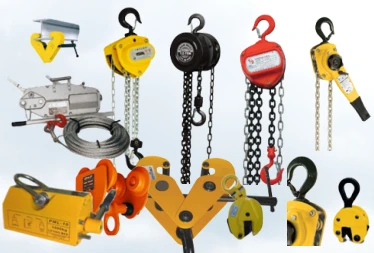

Have you ever thought about how all that waste from homes, offices, and factories gets handled and sorted for recycling? It’s a job that takes more than just workers and bins—it requires smart machines and strong equipment that make the process safer and faster. One of the unsung heroes in this industry is lifting equipment. From moving heavy bins to lifting scrap metal, lifting tools play a huge role in waste management and recycling systems all over the world, including in the UAE.
Introduction to Lifting Equipment in Waste Management
In the recycling and waste management sector, this equipment helps move heavy loads like piles of metal, large bins, compacted trash, or plastic bundles from one point to another. These tools reduce the need for manual labor and help speed up recycling operations in a cleaner, more efficient way. Whether it’s a recycling plant or a landfill site, lifting equipment makes the job smoother and safer for everyone involved.
Sorting and Separating Recyclable Materials
One of the first steps in recycling is separating materials like plastic, glass, paper, and metal. Lifting equipment is used to handle large volumes of mixed waste before it’s sorted. These machines help sort materials faster than humans alone ever could. Proper use of this equipment not only boosts productivity but also reduces the risk of workplace injuries during heavy lifting.
Handling Bulky or Hazardous Waste
Some waste isn’t just heavy—it’s dangerous. Broken appliances, old batteries, and industrial waste can be risky to move by hand. Lifting equipment like robotic arms and specialized clamps safely handle these items without putting workers in danger. These machines can be operated remotely to avoid contact with hazardous materials. To keep this process safe, regular maintenance checks and safety training for operators are essential. Ensuring that the lifting tools are functioning properly helps prevent leaks, spills, or breakdowns during operation.
Transporting and Compacting Waste
Hydraulic lifts and container tippers are commonly used to dump waste into compacting machines. These tools reduce the size of the waste, making it easier to store or ship to recycling plants. Transporting the compressed waste is also done using forklifts and electric pallet jacks. Safety can be improved by installing warning lights, motion sensors, and using well-maintained flooring to avoid accidents in tight spaces.
Loading Recycled Materials for Reuse
When recycling is complete, the processed materials—like shredded plastic, paper bales, or crushed glass—are loaded onto trucks or containers for further use. Cranes and automated loading systems make this step quicker and cleaner. Proper use of lifting slings, hooks, and adjustable pallets ensures that loads stay stable during transport. To keep this stage safe, it’s important that operators follow weight limits and secure items correctly using clamps or binding straps.
Minimizing Manual Labor
Lifting equipment cuts down on the need for workers to handle waste manually, which lowers the chance of physical injuries. Instead of bending and lifting all day, workers can use joysticks or remote controls to move heavy objects safely. In larger facilities, this allows fewer people to manage bigger jobs. To support worker safety further, employers should offer training sessions that teach employees how to operate lifting equipment correctly and understand the risks involved.
Improving Efficiency in Recycling Plants
The faster waste is sorted and processed, the better it is for the environment and the economy. Lifting equipment plays a big role in increasing speed and output in recycling plants. For instance, conveyor belt systems with lifting arms can sort and move items at high speed without delay. These systems work around the clock, helping reduce waste buildup and energy consumption. Regular upgrades and inspections are necessary to keep machines running at peak performance and avoid mechanical failures.
Custom Lifting Solutions for Different Waste Types
Not all recycling centers handle the same kind of waste. Some deal with electronics, others focus on food waste or metals. Each facility may require unique lifting tools tailored to their needs. For example, small-scale composting sites might use mini hoists to turn organic waste, while large electronics recycling centers may rely on vacuum lifters to handle delicate items. To make these tools safe, companies should invest in equipment that suits their specific waste type and load requirements.
Supporting a Cleaner, Greener UAE
In the UAE, where sustainable practices are becoming more important, lifting equipment is helping cities manage waste more effectively. Dubai and Abu Dhabi, for example, are using automated waste sorting and recycling centers that rely heavily on such equipment. Making this process safe involves following government safety guidelines, providing safety gear to workers, and using environment-friendly machines with lower emissions.
Conclusion: A Behind-the-Scenes Force for Good
We may not see lifting equipment at work every day, but it's a major force behind effective waste management and recycling. It helps sort, transport, and handle waste quickly and safely, benefiting both the environment and the people working in this sector. With the right tools and safety measures in place, lifting equipment ensures that the journey from trash to treasure is efficient, responsible, and sustainable. As we move toward a greener future, supporting these technologies is more important than ever
























Sign in to leave a comment.