

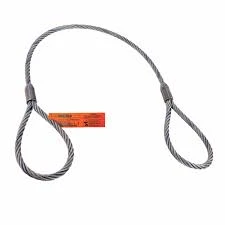
Have you ever wondered why there are different types of wire rope slings and what those numbers like 6x36 or 6x19 really mean? If you're involved in lifting, rigging, or industrial work, choosing the right wire rope sling matters for both performance and safety. These slings look similar but behave very differently under pressure. In this article, we will explore the differences between 6x36 and 6x19 wire rope sling in simple terms, so you can choose the one that’s best for your job.
Wire rope slings are made from multiple wires twisted into strands, and then those strands are twisted around a core to form a rope. The first number (6) refers to the number of strands, and the second number (19 or 36) refers to the number of wires in each strand. So, a 6x19 rope has 6 strands with 19 wires each, and a 6x36 rope has 6 strands with 36 wires each. This configuration affects how flexible the rope is, how much load it can carry, and how well it handles wear and tear.
A 6x19 wire rope is known for its strength and resistance to abrasion. Because each strand has fewer but thicker wires, this rope is more durable against surface wear, making it ideal for jobs that involve scraping, rubbing, or contact with rough surfaces. Industries that deal with heavy-duty lifting in harsh conditions often prefer 6x19 ropes because they can handle a beating and still perform reliably.
On the other hand, 6x36 wire rope is more flexible than 6x19 because it has more but thinner wires in each strand. This flexibility allows it to bend more easily around sheaves and pulleys without developing cracks or breaks. It’s especially useful for applications where the rope needs to wind and unwind smoothly, like in cranes, winches, or overhead lifting. The smoother movement also reduces the stress on the equipment and helps maintain consistent lifting operations.
When it comes to fatigue resistance, 6x36 rope has the upper hand. Because of its flexibility, it can endure more bending cycles before failing. This makes it a good choice for repetitive lifting or for equipment that moves regularly. It reduces the risk of sudden breaks, especially in dynamic environments where bending and vibration are common.
While 6x19 is tough and long-lasting in harsh environments, it doesn’t bend as easily. This stiffness means it can suffer from internal wire breakage if it's bent too tightly or too often. Over time, this can reduce its strength without any obvious visual signs. So, in areas where the rope needs to curve or twist often, using 6x19 could lead to premature failure unless carefully monitored.
One important thing to consider is how these ropes are used with end fittings or connections. Both 6x19 and 6x36 ropes need proper terminations to ensure they remain safe and secure. Poorly fitted ends or mismatched hardware can weaken the rope and increase the chances of accidents. Always follow manufacturer guidelines and industry standards when connecting wire rope slings to shackles, hooks, or load-bearing equipment.
Maintenance is key to keeping both types of wire rope safe. No matter which rope you use, regular inspections should be carried out to check for fraying, rust, broken wires, or deformation. Lubrication can also help extend the life of the rope, especially for 6x36 ropes where thinner wires are more prone to corrosion. Clean and lubricate the rope regularly, especially in humid or salty environments, to prevent internal damage.
Safety is also about knowing when to retire a rope. As a general rule, if more than 10 percent of the wires in one rope lay are broken, it should be removed from service. Similarly, if you notice signs like flattening, kinks, or corrosion, it’s better to replace the rope than risk a dangerous failure during lifting. Always store ropes properly to avoid unnecessary damage from moisture, UV light, or chemicals.
Another tip is to train your staff on the differences between these rope types. Operators should understand not just how to use them, but how to spot early warning signs of wear. Many accidents happen simply because someone didn’t notice a small issue that turned into a big problem later. Training programs and safety briefings can go a long way in preventing that.
In summary, 6x19 wire rope slings are great for rugged environments and jobs where durability and abrasion resistance are more important than flexibility. Meanwhile, 6x36 wire rope slings shine in tasks that require a lot of bending or smooth handling due to their flexibility and fatigue resistance. The right choice depends on your specific lifting needs, the equipment being used, and how frequently the rope will be stressed or moved.
Choosing the correct wire rope sling type is not just about performance—it's about safety, efficiency, and cost-effectiveness in the long run. By understanding the basic differences between 6x36 and 6x19 ropes, and by using them correctly, you can keep your operations running smoothly and protect both your crew and your investment.




























Sign in to leave a comment.