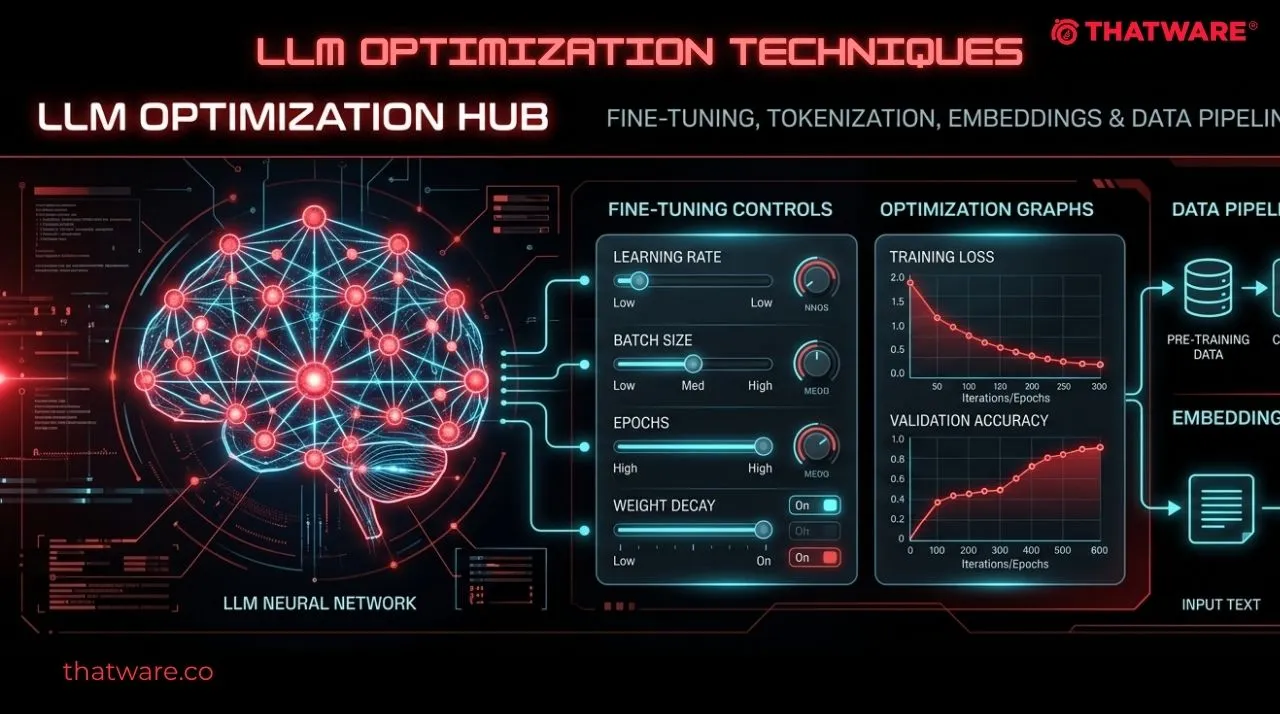

Search is no longer just about keywords and backlinks, it’s about understanding intent, context, and conversation. With the rise of large language models (LLMs), search engines are evolving into intelligent systems that interpret content more like humans do. This shift has introduced a new approach known as LLM optimization techniques, which focus on structuring content for AI-driven search experiences.
As platforms like Google and AI assistants prioritise context-rich answers, businesses must adapt quickly. Those who embrace these changes are already seeing improved visibility, stronger engagement, and higher-quality traffic from modern search ecosystems.
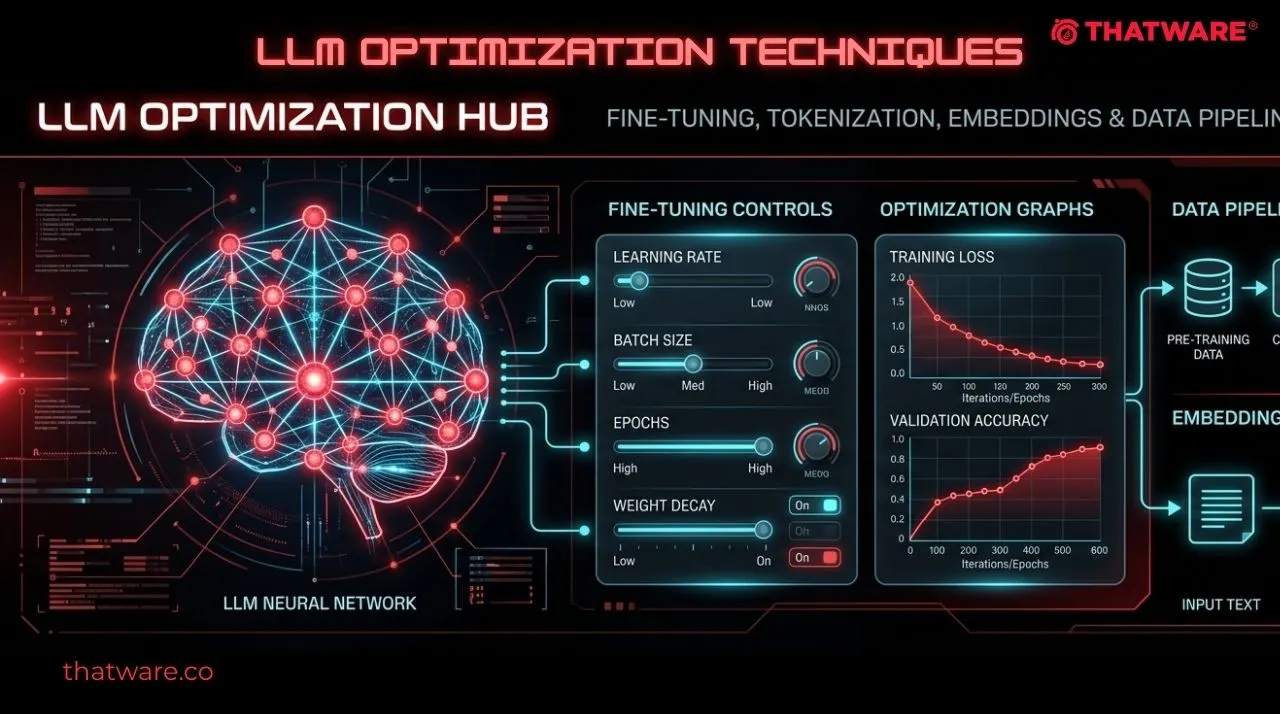
The Shift from Keywords to Context
Traditional SEO strategies relied heavily on keyword density and exact-match phrases. While these elements still matter, LLMs have changed the game by prioritising meaning over matching. Search engines now analyse the overall context of a page, identifying how well it answers user intent rather than how often it repeats a keyword.
LLM optimization techniques focus on semantic depth, ensuring content is comprehensive, relevant, and naturally structured. This means creating content that answers questions clearly, provides value, and aligns with how users actually search, often in conversational formats.
The Role of AI in Modern Search Rankings
AI-powered search engines now evaluate content using advanced natural language processing. They can understand nuances such as tone, relevance, and topical authority. As a result, ranking factors are shifting toward:
- Content clarity and readability
- Topical authority and depth
- Structured and well-organised information
- Direct answers to user queries
LLM performance tuning helps align content with these expectations, making it easier for search engines to extract and display information in featured snippets, AI overviews, and voice search results.
Enhancing Content for AI Visibility
One of the most significant transformations in search rankings is the emphasis on AI visibility. Content is no longer just ranked, it’s selected, summarised, and presented by AI systems.
To succeed, businesses must adopt LLM SEO optimization techniques such as:
- Using clear headings and structured formatting
- Writing concise, answer-focused paragraphs
- Incorporating natural language and question-based queries
- Building topical clusters around core subjects
These strategies improve the chances of being featured in AI-generated responses, which are becoming increasingly dominant in search results.
User Experience and Engagement Signals
LLMs also factor in how users interact with content. Engagement metrics such as time on page, scroll depth, and bounce rate provide signals about content quality.
By focusing on readability, logical flow, and value-driven information, LLM efficiency improvement indirectly boosts these engagement metrics. This creates a positive feedback loop: better content leads to better engagement, which leads to improved rankings.
Future-Proofing Your SEO Strategy
As AI continues to evolve, search rankings will become even more dependent on content quality and contextual relevance. Businesses that rely solely on outdated SEO tactics risk losing visibility.
Adopting an LLM optimization strategy with the support of top SEO services India ensures your content remains adaptable to future algorithm updates. It positions your brand to thrive in an environment where AI-driven search experiences are the norm rather than the exception.
Final Thoughts
LLM optimization techniques are not just a trend; they represent the future of search. By focusing on context, structure, and user intent, businesses can significantly improve their rankings and visibility in AI-powered search environments.
If you’re looking to stay ahead of the curve and fully leverage AI-driven SEO strategies, explore the advanced solutions offered by ThatWare LLP and take your search performance to the next level.
#LLMOptimization #AISearch #SearchEngineOptimization #DigitalMarketing #ContentStrategy #AISEO #FutureOfSearch




























Sign in to leave a comment.