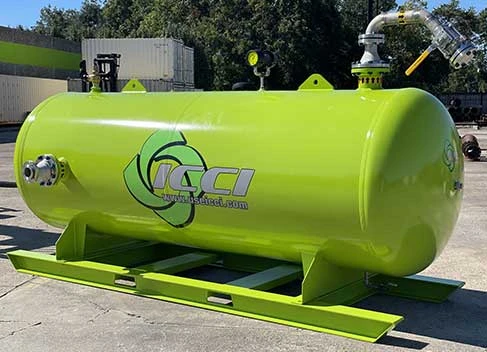

In the oil, gas, and power industries, system integrity isn’t just a performance metric—it’s a critical safety benchmark. Pre-commissioning processes, such as cleaning and drying, play a crucial role in ensuring that pipelines, vessels, and mechanical systems are free of contaminants, moisture, and debris before they come online. This attention to detail helps prevent corrosion, blockages, and costly failures down the line. Especially in high-risk operations, such as LNG transfer and storage, every precaution matters. That’s where specialized cleaning services come in, designed to elevate safety protocols and streamline commissioning procedures.
During the initial stages of pre-commissioning, line drying is crucial for removing residual moisture from the interior of pipes. Whether you’re operating in Texas or elsewhere, this process is a non-negotiable step toward achieving dew point targets that meet safety and operational standards. Companies offering LNG cleaning services in Texas integrate line drying to ensure systems are not only dry but verified dry—giving engineers and operators the confidence they need before turning on the pressure.
Why Line Drying Is More Than Just Hot Air
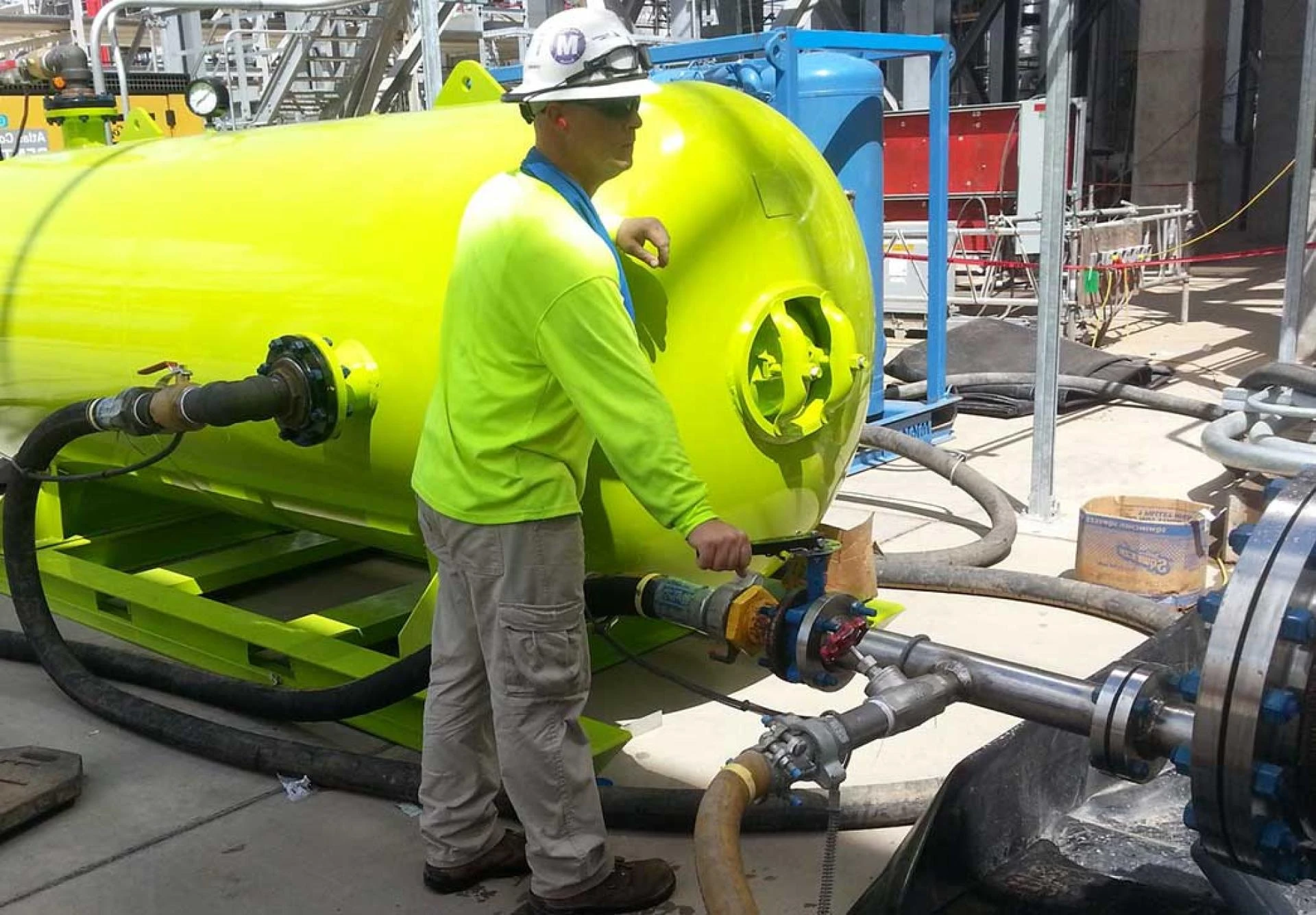
Line drying may sound straightforward, but the science and technique behind it are complex and nuanced. Using high-velocity dry air or heated nitrogen, service providers remove water vapor, condensation, and even microscopic moisture from pipelines and systems. This is especially important when working with LNG (liquefied natural gas), where any trace of water can freeze and cause severe blockages or mechanical damage during cryogenic operations.
Not only does proper line drying extend the life of equipment, but it also significantly reduces the risk of safety incidents. That makes it a wise investment for any plant prioritizing operational excellence and regulatory compliance. In high-humidity regions like Texas, where environmental factors add an extra layer of challenge, advanced LNG cleaning services tailor their drying processes to regional conditions—making the effort both efficient and location-appropriate.
The Hidden Advantages of Expert Cleaning
While the immediate goal of LNG system cleaning is to prepare lines for safe operation, the long-term advantages cannot be overlooked. Precision cleaning, including chemical cleaning, debris removal, and moisture control, helps protect capital equipment investments by minimizing corrosion, reducing unplanned outages, and maintaining flow efficiency.
In the case of power plants and refineries, improper or rushed pre-commissioning can lead to millions of dollars in future repairs or lost productivity. That’s why choosing a partner with proven expertise in drying and cleaning services is a proactive strategy—not just a regulatory checkbox.
Conclusion: Safety, Savings, and Sustainable Operations
LNG cleaning services, paired with advanced line drying techniques, form the backbone of safe and efficient system start-ups. Whether it’s a new pipeline or an aging system undergoing maintenance, the goal is the same: achieve safe operating conditions with minimal risk and maximum reliability. And in a state like Texas, where the oil and gas landscape is both massive and competitive, investing in these services is a clear path to staying ahead.
Moreover, companies that specialize in pre-commissioning—such as Industrial Commissioning Consultants International (ICCI)—demonstrate how a combination of deep expertise, veteran-driven workforces, and top-tier equipment can deliver both safety and value in one package. ICCI’s proven track record shows that meticulous cleaning and drying isn’t just good practice—it’s the foundation of operational excellence.


























Sign in to leave a comment.