London's fashion scene thrives on innovation, but even the most cutting-edge designs fall flat if the fabric fails. For designers working with viscose, a popular but sometimes tricky material, colour fastness isn't just a technical detail—it's a reputation maker or breaker.
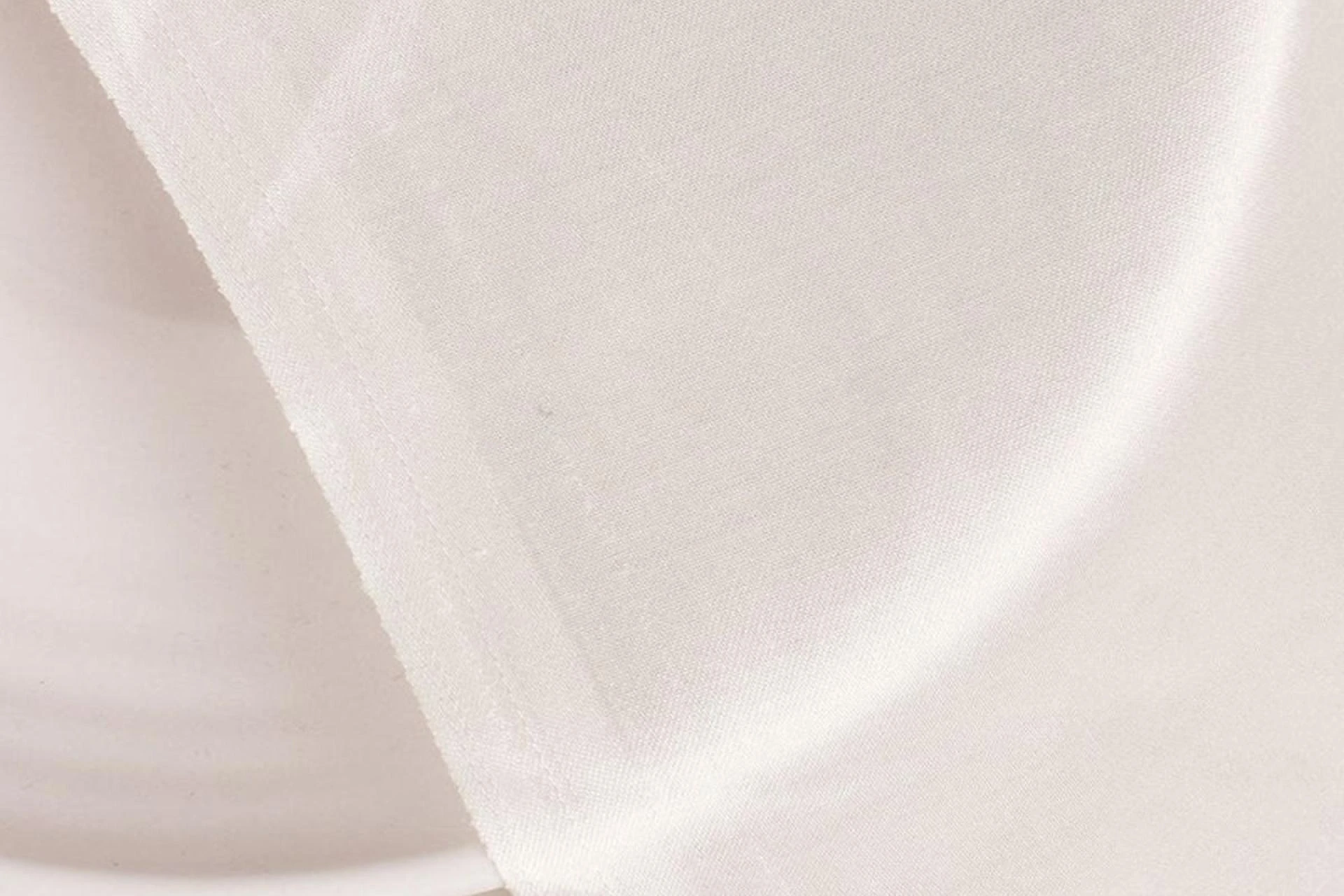
Viscose offers a beautiful drape and a silk-like feel that designers love. However, its semi-synthetic nature means it absorbs dye differently than natural fibers like cotton or synthetics like polyester. If a London designer releases a collection where the vibrant reds bleed into the whites after one wash, or the deep blacks fade to grey in the sun, customers notice.
To ensure longevity and quality, top designers and suppliers, including industry leaders like Fabriclore Pvt Ltd, rely on rigorous testing protocols. This article examines exactly how professionals in London test Viscose Fabric to ensure it holds its colour, wash after wash.
Why Colour Fastness Matters
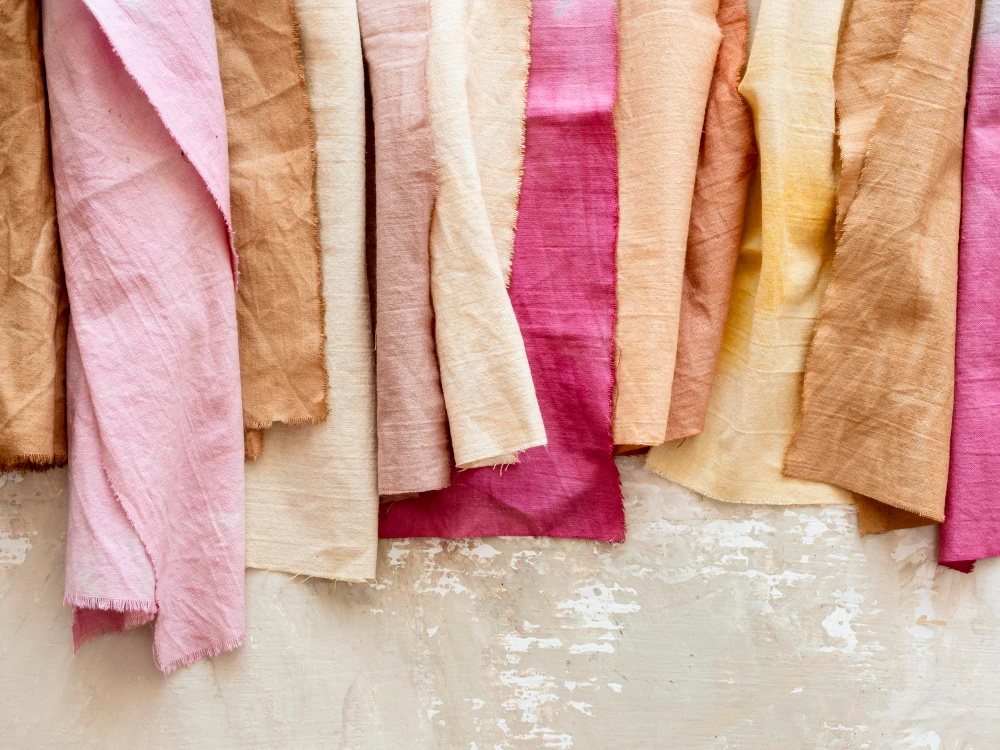
Colour fastness refers to a fabric's resistance to fading or running. A fabric with high colour fastness keeps its original hue when exposed to external agents like water, light, rubbing, and sweat.
For fashion brands, poor colour fastness leads to high return rates and customer dissatisfaction. Imagine buying a premium dress from a boutique in Shoreditch, only to have the dye transfer onto your skin or other clothes. That experience damages trust.
London designers prioritize this testing because the city's fashion market is highly competitive. Whether a brand sources fabric wholesale or creates bespoke prints, the material must meet strict international standards (often ISO or AATCC) before it ever reaches the cutting table.
The Challenge with Viscose Fabric
Viscose is a regenerated cellulose fiber. It is highly absorbent, which makes it comfortable to wear and allows for deep, rich colour saturation. However, this same absorbency creates challenges for colour retention.
When wet, viscose fibers swell significantly. This swelling can allow dye molecules to migrate out of the fiber, leading to bleeding or fading during washing. Additionally, the chemical structure of viscose can make certain dyes more susceptible to UV degradation compared to other fibers.
Because of these properties, sourcing high-quality Viscose Fabric in London requires vetting suppliers who understand the specific dyeing processes needed to lock colour into cellulose fibers. Reliable suppliers like Fabriclore ensure their viscose undergoes proper fixation processes to mitigate these inherent risks.
Key Testing Methods Used by London Designers
Designers don't just guess if a fabric will last; they prove it in the lab. Here are the primary tests used to evaluate Viscose Fabric.
Wash Fastness Testing
This is arguably the most critical test for clothing. It determines how well the dye stays in the fabric during laundering.
The Process:
Technicians take a specimen of the dyed viscose and sew it next to a piece of multifiber fabric (a strip containing bands of wool, acrylic, polyester, nylon, cotton, and acetate). This composite specimen goes into a mechanical wash wheel—essentially a highly precise, industrial washing machine—at specific temperatures and with specific detergents.
The Evaluation:
After washing and drying, technicians assess two things:
- Colour Change: Has the original viscose sample faded?
- Colour Staining: Has the dye transferred onto the multifiber strip?
London designers typically require a rating of 4 or 5 (on a scale of 1 to 5) for premium collections, ensuring that a red viscose blouse won't turn your white laundry pink.
Light Fastness Testing
London might be famous for grey skies, but clothes still face UV exposure. Light fastness measures a fabric's resistance to fading under sunlight or artificial light.
The Process:
Samples of the viscose are placed in a machine called a Xenon Arc Fade-Ometer. This machine simulates intense sunlight. Part of the sample is covered (masked), while the other part is exposed to the light source for a set period, often 20 to 40 hours.
The Evaluation:
Technicians compare the exposed area to the masked area. They use a standard Blue Wool Scale, which ranges from 1 (very poor) to 8 (excellent). For Viscose Fabric, a rating of 4 or higher is usually the standard for apparel, ensuring the garment doesn't look old and worn out after a few weeks of summer wear.
Rub Fastness (Crocking)
Rub fastness, also known as crocking, tests whether colour transfers from the fabric surface to another surface through friction. This is vital for items like trousers or upholstery where constant rubbing occurs.
The Process:
This test uses a Crockmeter. A finger-like apparatus covered in a standard white cotton cloth rubs back and forth against the viscose sample. This is done twice: once with a dry white cloth and once with a wet white cloth.
The Evaluation:
The technician examines the white cloth to see how much colour rubbed off. Wet rubbing usually yields lower results than dry rubbing because moisture helps release the dye. A passing grade typically requires a rating of 3-4 for wet rubbing and 4 for dry rubbing.
Other Relevant Tests
Depending on the end-use of the garment, designers may request additional tests:
- Perspiration Fastness: An acidic and alkaline solution simulates sweat to see if it causes colour change or staining. This is crucial for summer wear and activewear.
- Dry Cleaning Fastness: Since many high-end viscose items are dry-clean only, this test ensures the solvents used by dry cleaners don't strip the colour.
- Water Fastness: Simulates soaking in plain water.
Sourcing and Supply Chain Standards
Successful testing starts with successful sourcing. London designers often work with suppliers who provide technical data sheets upfront.
Brands like Fabriclore Pvt Ltd have established themselves as key players in this space. As one of the best local and online stores, they bridge the gap between rigorous industrial standards and accessible sourcing. Whether a designer needs to buy fabric online for sampling or secure bulk fabric wholesale orders, suppliers with strong quality control processes minimize the risk of testing failures later in production.
Fabriclore creates a streamlined experience for designers by offering transparency on fabric origins and quality. Their tech-enabled platform allows designers to access customized design, dyeing, and printing services that adhere to these strict fastness standards.
Case Studies in Quality
While many brands keep their manufacturing secrets close, the results speak for themselves on the high street and luxury shelves.
- High-End Sustainability Brands: Many sustainable labels in East London focus on Lenzing™ Ecovero™ viscose. These brands publish their sustainability reports, which often include durability testing. By ensuring high colour fastness, they extend the garment's lifecycle, which is a core tenet of sustainable fashion.
- Heritage Print Houses: London is home to iconic print houses that work extensively with viscose for scarves and dresses. These companies utilize reactive printing methods. Unlike pigment printing which sits on top of the fiber, reactive dyes bond chemically with the cellulose. This results in superior wash and rub fastness, allowing them to sell premium products globally with confidence.
Ensuring Longevity in Design
Testing for colour fastness is not an optional step for serious designers; it is a fundamental part of the production cycle. For Viscose Fabric, which presents specific chemical challenges, these tests ensure that the final product meets consumer expectations.
From the mechanical wash wheel to the Xenon light chamber, reliable data protects a brand's integrity. By partnering with trusted suppliers like Fabriclore Pvt Ltd—who understand the technical requirements of Viscose Fabric in London and beyond—designers can focus on creating stunning silhouettes, knowing the colour will last as long as the design itself.
Whether you are looking to buy fabric online for a small capsule collection or sourcing fabric wholesale for a major retail drop, prioritize colour fastness. It is the invisible mark of quality that defines professional fashion.


















Sign in to leave a comment.