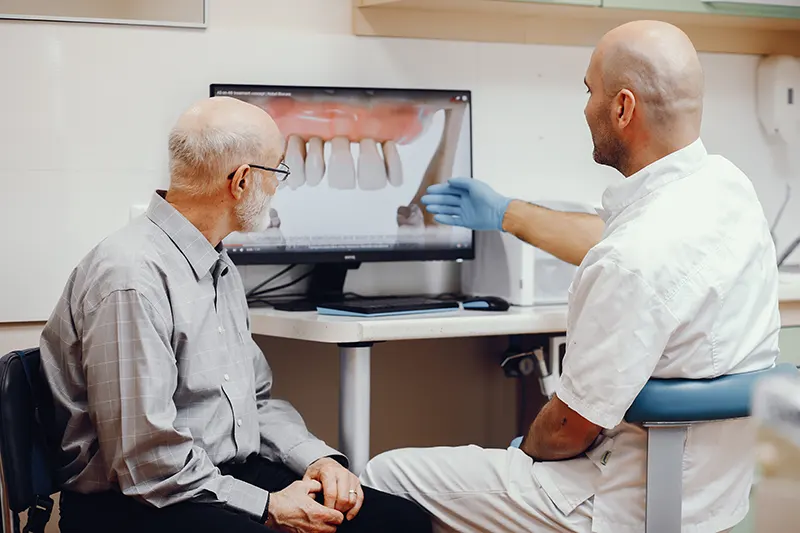

Are you considering dental implants but feeling uncertain about how long they’ll serve you? This is a common concern shared by many potential patients. The decision to proceed with dental implants often comes with questions about their durability and whether the significant investment in terms of time, money, and recovery will deliver lasting results. These doubts can create hesitation, especially when weighing such an important healthcare decision.
Consider the scenario: after completing the implant procedure, you discover that you need a replacement sooner than expected. The thought of enduring additional surgical procedures, escalating expenses, and ongoing dental complications can be incredibly daunting. This apprehension prevents many individuals from exploring what could be a transformative dental solution.
Yet, there’s reassuring evidence to consider: dental implants, when maintained properly, can serve as an enduring solution. Research shows that with appropriate care and healthy lifestyle practices, dental implants can remain effective for decades, potentially lasting throughout one’s lifetime. Let’s examine the key elements that determine implant longevity and discover strategies to extend their lifespan.
The Lifespan of Dental Implants: Evidence-Based Insights
Dental implants are designed as a permanent tooth replacement solution. With expert placement and proper maintenance, they typically function effectively for 20-30 years or longer.
Recent research published in the Journal of Dental Research demonstrates that 95% of dental implants maintain their functionality after 13 years (Howe et al., 2019). It’s important to note that while the titanium implant post (which integrates with your jawbone) can last indefinitely, the crown (the visible tooth-like portion) may need replacement after 10-15 years due to regular wear.
Essential Factors Affecting Implant Duration
Several vital elements influence how long your dental implants will last:
- Oral Hygiene: Excellent oral care is essential for implant durability. Daily brushing, flossing, and regular professional cleanings help prevent peri-implantitis, an inflammatory condition similar to gum disease that can compromise implant success.
- Lifestyle Choices: Habits such as smoking, heavy alcohol use, and poor nutrition can significantly impact implant success rates. Research in the Journal of Periodontology indicates that smokers face a 15.8% higher risk of implant failure compared to non-smokers (Chrcanovic et al., 2015).
- Bone Health: Your jawbone’s quality and density are fundamental in providing long-term implant support. Sufficient bone density is crucial for successful osseointegration, where the implant effectively bonds with the surrounding bone tissue.
- Implant Placement: The success of dental implants heavily relies on precise surgical placement by an experienced implantologist. Research published in the International Journal of Oral & Maxillofacial Implants demonstrates significantly higher survival rates for implants placed by seasoned practitioners, highlighting the importance of choosing a qualified professional (Jemt, 2017).
- Systemic Health: Your overall health plays a crucial role in implant longevity. Conditions like poorly managed diabetes or autoimmune disorders can significantly impact healing processes and long-term implant stability. Effective management of these underlying health conditions through regular medical supervision and appropriate treatment is essential for optimal implant outcomes.
- Occlusal Forces: The pressure exerted on implants through habits like teeth grinding (bruxism) or excessive clenching can compromise their durability. Professional assessment and preventive measures, such as custom-fitted night guards, are vital for protecting your investment.
Maximizing the Lifespan of Your Dental Implants: A Proactive Approach
To ensure optimal longevity of your dental implants:
- Maintain impeccable oral hygiene by brushing twice daily with a soft-bristled brush and using specialized floss or interdental brushes around implants. This fundamental practice prevents bacterial accumulation that could compromise implant stability.
- Commit to regular dental visits for professional examinations and cleanings, ideally every 4-6 months. These appointments allow early detection of potential issues and ensure proper maintenance of your implant investment.
- Eliminate harmful habits like smoking, which can significantly impair healing and long-term implant success. Additionally, moderate alcohol consumption to protect overall oral health and implant stability.
- If diagnosed with bruxism, consistently wear a professionally crafted night guard. This protective device shields your implants from excessive forces that could compromise their longevity.
- Focus on nutritional excellence by consuming foods rich in bone-supporting nutrients. Ensure adequate intake of calcium (1,000-1,200mg daily) and vitamin D (600-800 IU daily) through diet or supplements as recommended by healthcare providers.
- Take proactive measures to manage any systemic health conditions through regular medical check-ups and adherence to prescribed treatments. This comprehensive approach supports optimal implant outcomes.
By following these evidence-based guidelines and maintaining open communication with your dental care team, you can significantly enhance the durability and success of your dental implants. Regular monitoring and prompt attention to any concerns ensure optimal long-term results.
While dental implants represent a significant initial investment in terms of both time and financial resources, their proven track record of durability and functionality makes them an exceptionally cost-effective solution for tooth replacement. The ability to eat, speak, and smile with confidence for decades justifies the initial commitment.
For those contemplating dental implants or seeking guidance about existing implants, consulting with a qualified implant specialist is crucial. These professionals can provide personalized recommendations based on your unique oral health situation and help you navigate the decision-making process effectively.
Make the investment in your oral health today – the benefits of properly maintained dental implants such as the high-quality ones of Studio Dentistico PSP extend far beyond aesthetics, contributing to improved self-confidence and overall quality of life for years to come!
Evidence-Based Answers from common patients
Can dental implants truly last a lifetime?
Clinical evidence strongly supports the potential longevity of dental implants. When properly maintained, the titanium post that integrates with your jawbone can indeed serve as a permanent solution. A comprehensive 10-year prospective study in the Journal of Dental Research documented an impressive 98.8% survival rate for dental implants (Chappuis et al., 2013).
What’s the prognosis for dental implants after two decades?
Long-term studies indicate that well-maintained implants typically maintain their functionality beyond the 20-year mark. While the implant structure remains stable, periodic assessment and possible replacement of the visible crown component may be necessary to address natural wear patterns.
How frequently do dental implants require replacement?
The titanium implant fixture is engineered for permanent placement, typically never requiring replacement. However, the crown component generally needs renewal every 10-15 years due to regular use. Research published in the International Journal of Prosthodontics reveals encouraging statistics: implant-supported crowns demonstrate a 96.3% survival rate at 5 years and 89.4% at 10 years (Pjetursson et al., 2012).
Do dental implants match the strength of natural teeth?
Modern dental implants exhibit remarkable durability, matching natural teeth in bite force capacity. Scientific studies in the Journal of Oral Implantology confirm that implants can withstand forces between 200-400 Newtons, comparable to natural dentition (Misch, 2015).





























Sign in to leave a comment.