

Pain is the first thing most people think about when considering any dental procedure. With smile makeovers becoming more common, the question of what the process actually feels like - and whether it carries real risks - deserves a straight answer rather than reassurance that skips the details.
What Smile Design Treatment Usually Involves
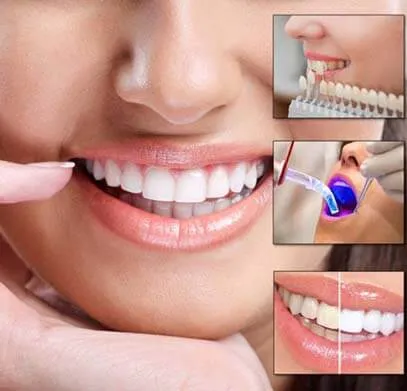
Smile makeover plans vary widely depending on what needs correcting. Some cases involve only composite bonding or teeth whitening, which require no tooth reduction at all. Others involve porcelain veneers, crowns, gum contouring or orthodontic alignment - procedures that do involve some degree of tissue manipulation or tooth preparation. The pain level is not uniform across all cases; it depends almost entirely on which procedures are included. Discover your perfect smile-click to learn more from the top-rated cosmetic dentist in Mitcham.
Pain During Treatment: What to Expect
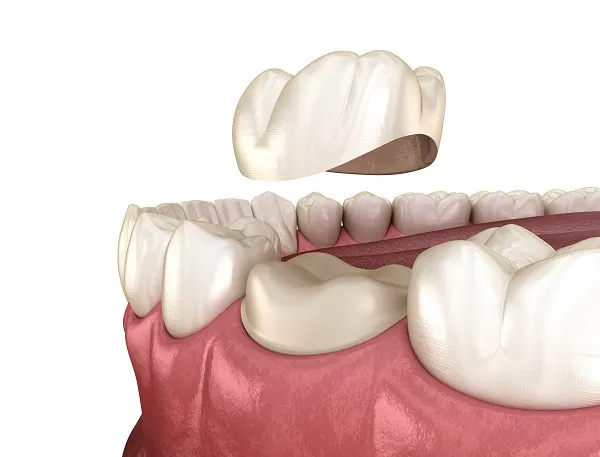
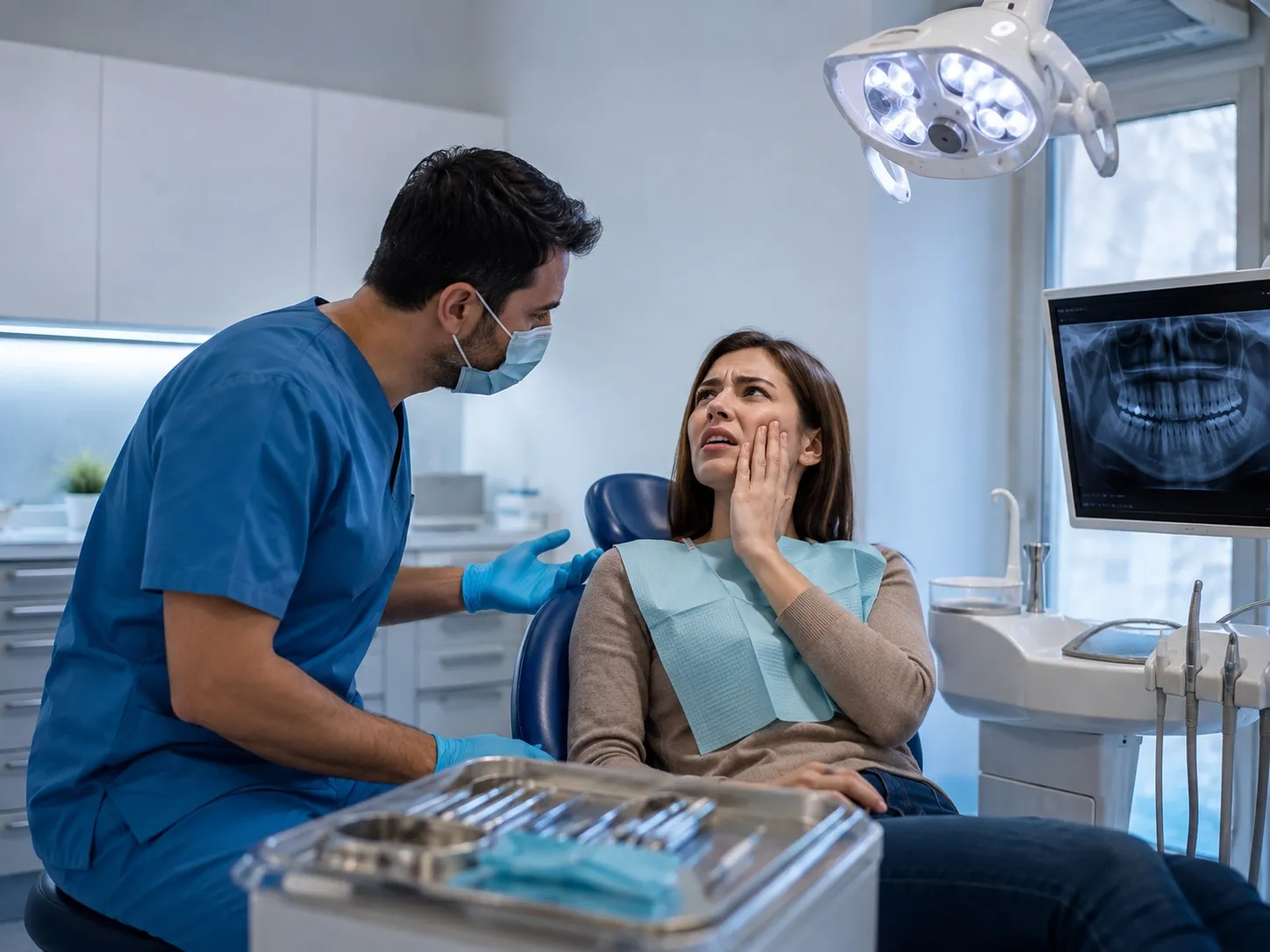
For procedures that require tooth preparation - shaving down enamel for veneers or reshaping teeth for crowns - local anesthesia is used. Patients feel pressure & vibration, not pain, during the procedure itself. The discomfort, when it occurs, typically comes afterward: sensitivity to temperature for a few days, mild soreness in the gums or tenderness around any area where tissue was adjusted.
Gum contouring, which reshapes the gum line using a laser or surgical blade, causes more post-procedure discomfort than veneer placement. Healing takes one to two weeks and the area can feel raw during that time. Over-the-counter pain relief is usually sufficient for managing it.
Safety: Where the Real Risks Sit
A smile design dentist working within ethical clinical guidelines will complete a full diagnostic assessment before recommending any procedure. The risks in smile makeovers are less about acute harm and more about long-term consequences of poorly planned treatment - irreversible enamel removal for veneers that did not need it, gum recession from poorly fitted restorations or bite misalignment when occlusion is not properly accounted for.
Teeth whitening, often included in smile plans, carries a low-risk profile but can cause temporary sensitivity, particularly with high-concentration in-office treatments.
How Modern Protocols Have Reduced Risk
Minimally invasive techniques have changed how smile procedures are approached. Ultra-thin veneers now require little to no enamel removal. Laser gum contouring has replaced surgical cutting in many cases, reducing healing time & infection risk. Digital planning tools allow dentists to assess tooth reduction needs before touching the patient, which prevents over-preparation.
The Bottom Line
Smile makeover treatment is safe when properly planned & clinically justified. Discomfort is real but manageable and for most procedures, it is short-lived. The greater risk is not pain during treatment - it is choosing procedures without a thorough diagnostic process behind them.
About Bio.
Ansley has 12 years of experience in the dental world. You can find his thoughts at oral surgery blog.
























Sign in to leave a comment.