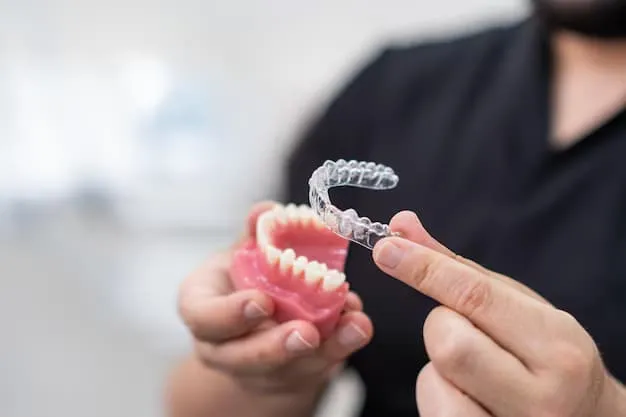

Clear aligner treatment has changed the way people approach teeth alignment. Many patients prefer it because it fits into daily life with less disruption than fixed braces. Still, one question comes up often: how long does it actually take to see results with Invisalign in Stockport?
The answer is not the same for everyone. Treatment time depends on dental needs, consistency in wearing aligners, and how the teeth respond to gradual movement. Some people see clear changes in a few months, while others need a longer period for full correction.
This guide breaks down real timelines in a simple way so you know what to expect from start to finish.
What affects the treatment timeline
The duration of Invisalign in Stockport depends on a few practical factors rather than a fixed schedule.
- Amount of tooth movement needed
One of the main factors is how far the teeth need to move. Small gaps or mild crowding often take less time, while more complex alignment cases require a longer period of care. - Age and tooth response
Age can influence how quickly teeth respond to movement. In many cases, younger teeth may shift more easily than older ones, which can affect the overall timeline. - Daily wear consistency
Aligners must be worn for most of the day. They should only be removed for eating, drinking anything other than water, and cleaning. Inconsistent wear can slow progress. - Regular monitoring and attendance
Ongoing check-ups help track movement and keep treatment on course. Missing appointments or delaying aligner changes can extend the total time.
Understanding these factors helps set clear expectations for Invisalign and supports a smoother, more predictable path to steady alignment over time.
Typical treatment timeline
Most people undergoing Invisalign in Stockport follow a general timeline that ranges from several months to a couple of years.
For mild cases, treatment can take around six to nine months. These cases usually involve small spacing issues or slight shifts in tooth position.
Moderate alignment needs often take around nine to fifteen months. This stage may include correcting bite issues along with alignment.
More complex movement can take eighteen months or longer. In these situations, teeth require gradual and carefully planned shifts to reach stable alignment.
While these timelines are common, each plan is tailored after a full dental assessment. No two mouths move in the same way, so progress is always individual.
First few weeks of treatment
The early phase of Invisalign in Stockport is mainly about adjustment. When aligners are first worn, there may be mild pressure on the teeth. This is a sign that movement has begun.
Speech may feel slightly different at first, but most people adapt within a few days. Some may also notice increased saliva flow early on, which settles quickly.
During this stage, consistency is important. Wearing aligners for the recommended hours each day helps set the foundation for the rest of the process. Even small breaks in wear time can slow early progress.
Mid-treatment progress
The middle stage of Invisalign in Stockport is where visible changes usually start to appear. Teeth slowly shift into better alignment, and spacing or crowding becomes less noticeable. Progress is steady and controlled, with each new aligner guiding small, planned movements that add up over time.
- Teeth look more aligned with gradual movement
- Gaps and crowding reduce over time
- Each aligner supports planned adjustments
- Comfort levels often improve
- Daily wear becomes routine
- Check-ups ensure progress stays on track
Many people also find this stage more comfortable as they adjust to the routine. The aligners begin to feel like part of everyday life, and small improvements can be encouraging.
Lifestyle factors that influence timing
Daily habits can have a real impact on how long Invisalign in Stockport takes to show results. Eating habits matter because aligners must be removed during meals. Frequent snacking can reduce wear time if aligners are not put back in promptly.
Cleaning habits also play a role. Keeping both teeth and aligners clean helps avoid issues that could slow progress. Poor hygiene may lead to discomfort or delays in treatment steps.
Physical activities and routines usually do not interfere with aligners, which is one reason many people prefer this method. However, discipline in wearing them remains the main driver of progress.
After the initial phase of movement
Once the main alignment phase of Invisalign in Stockport is complete, attention shifts to refining the bite and final positioning. This stage may feel slower because changes are more subtle. Small adjustments are made to ensure teeth sit correctly and comfortably.
Some people may require additional aligners at this point. These are used to fine-tune alignment and ensure long-term stability. Even though visible changes are less noticeable here, this stage is important for lasting results. Skipping or rushing it can affect the long-term outcome.
When treatment takes longer than expected
There are situations where Invisalign in Stockport may take longer than originally planned.
One common reason is inconsistent wear time. If aligners are not used for the recommended duration each day, tooth movement slows down. Another reason is natural variation in tooth response. Some teeth move more slowly due to bone structure and positioning.
Lifestyle interruptions, such as missed appointments or delayed aligner changes, can also extend timelines. In most cases, small adjustments to routine help bring progress back on track without major changes to the plan.
Final Thought
Treatment with Invisalign in Stockport is not defined by a fixed clock but by steady, planned movement. With patience and consistent care, the process leads to lasting alignment that fits naturally into everyday life. Progress happens gradually as each aligner shifts teeth into a better position without sudden change.
Regular wear and simple daily habits support steady improvement over time. Staying consistent helps ensure results remain stable and comfortable throughout the journey, supporting long-term oral health and confidence. Small changes build a reliable smile over time, naturally and gently forming
























Sign in to leave a comment.