


Introduction
When someone in our family undergoes joint replacement surgery, one of the first questions we ask is, "How soon will they walk comfortably again?" It is natural to worry about their independence, daily routine, and ability to return to the activities they enjoy.
Recovery is different for everyone. Understanding the recovery process can help families set realistic expectations, offer the right support, and make informed decisions when looking for the best hospital for joint replacement.
How Long Does It Take to Regain Everyday Mobility?
Many patients begin standing or walking with assistance within a day of surgery, depending on their condition and the surgeon's advice. However, regaining comfortable movement and returning to everyday activities usually takes several weeks to a few months.
After knee or hip replacement, many people notice meaningful improvements during the first six to twelve weeks. Full recovery, including improvements in strength, balance, and endurance, may take several months or longer.
It is important to remember that recovery is not always a straight line. Some days may feel easier than others, and temporary stiffness or tiredness can occur as the body heals.
What Are the Main Stages of Joint Replacement Recovery?
The First Few Days After Surgery
The initial goal is to manage pain, begin safe movement, and prevent complications. Under professional supervision, patients may start standing and walking short distances with a walker or other recommended support.
Family members can help by listening to the care team's instructions and ensuring the patient does not attempt movements they have not been cleared to perform.
The First Two to Six Weeks
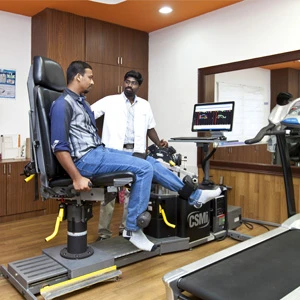
During this stage, patients gradually practise everyday movements such as getting out of bed, using the bathroom, and walking around the home. Physiotherapy helps improve strength, flexibility, and balance.
Some discomfort, swelling, and stiffness may continue. Following the prescribed exercise plan, taking medication as directed, and attending follow-up appointments can support recovery.
Six to Twelve Weeks and Beyond
Many patients gradually become more independent during this period. Walking distances may increase, and routine activities can become easier as strength and confidence improve.
However, returning to work, driving, climbing stairs independently, or participating in particular activities depends on individual progress and medical advice. Some people need additional rehabilitation to regain their desired level of mobility.
What Factors Affect Recovery Time?
Several factors influence how quickly someone regains everyday mobility after joint replacement.
- Age and general health: Other medical conditions and overall physical fitness can affect healing and endurance.
- Muscle strength before surgery: Patients with better strength and mobility before surgery may find certain rehabilitation activities easier.
- Type of joint replacement: Recovery needs may differ between knee and hip replacement procedures.
- Physiotherapy participation: Following a personalised rehabilitation programme helps patients gradually rebuild strength and movement.
- Pain management: Appropriate pain control can make it easier to participate in prescribed exercises.
- Home environment and family support: Clear walking paths, suitable seating, handrails where needed, and assistance with daily tasks can reduce the risk of falls.
These factors also explain why comparing one patient's recovery with another's may create unnecessary anxiety. Progress should be assessed according to the individual's condition and treatment plan.
How Can Families Support Recovery at Home?
When a loved one returns home, small acts of support can make everyday life safer and less stressful.
Make the Home Safer
Remove loose rugs, keep frequently used items within easy reach, and ensure that hallways are well lit. Follow professional advice about bathroom safety equipment, walking aids, and stair use.
Encourage Regular, Safe Movement
Help your loved one follow the exercise and walking schedule recommended by the physiotherapist. Encourage consistency without pushing them beyond their prescribed limits.
Support Emotional Wellbeing
It is common for patients to feel frustrated when ordinary activities take longer than before. Celebrate small improvements, offer reassurance, and allow them to regain independence at a comfortable pace.
Keep Follow-Up Appointments
Regular reviews help the care team monitor healing, assess mobility, and adjust the rehabilitation plan when necessary. Families should report concerns rather than waiting for the next appointment if symptoms worsen.
What Should Families Consider When Choosing a Joint Replacement Hospital?
Choosing a hospital involves more than considering the procedure itself. Families should look for a care team that explains the treatment plan clearly and supports patients throughout recovery.
When comparing the best hospital for joint replacement, consider the following factors:
- Orthopaedic surgeon's experience: Ask about the surgeon's relevant training, experience with the proposed procedure, and approach to individual treatment planning.
- Patient safety standards: Understand the hospital's infection prevention practices, surgical protocols, and procedures for managing complications.
- Rehabilitation services: Check how physiotherapy is coordinated before and after surgery and whether the rehabilitation plan is tailored to the patient.
- Pain management and nursing care: Ask how pain, wound care, mobility assistance, and other recovery needs are addressed.
- Follow-up support: Confirm how appointments are arranged and whom to contact if concerns arise after discharge.
- Clear communication: The care team should explain expected benefits, possible risks, alternatives, recovery milestones, and costs in language the family understands.
A thoughtful discussion with the orthopaedic team can help families understand what to expect and whether the proposed treatment suits their loved one's needs.
When Should Families Contact the Doctor?
Some discomfort and swelling can occur during recovery, but certain symptoms require prompt medical attention. Contact the treating team if pain or swelling increases unexpectedly or recovery appears to be worsening.
Seek urgent medical care for symptoms such as chest pain, sudden breathlessness, or significant difficulty breathing. Fever, increasing redness around the wound, wound discharge, or new calf pain or swelling also warrant prompt medical assessment because they may indicate a complication.
Do not wait for a routine follow-up if concerning symptoms develop.
Conclusion
Regaining everyday mobility after joint replacement takes patience, consistent rehabilitation, and support from family members and healthcare professionals. Rather than focusing on a fixed recovery deadline, families should celebrate gradual improvements and communicate openly with the treating team whenever concerns arise.
At Soundarapandian Bone and Joint Hospital(SBJH), we are committed to providing world-class healthcare with the warmth and compassion of a family-run institution. Guided by a tradition of care, our skilled Orthopaedic surgeons and dedicated team work together to provide personalised treatment. By combining cutting-edge technology with empathy and ethical care, we strive for excellence in orthopaedics while fostering a welcoming and supportive environment for every patient.
Frequently Asked Questions(FAQs)
1. How long does it take to walk normally after joint replacement?
Many patients begin walking with assistance soon after surgery. Walking comfortably and independently may take several weeks or months, depending on the procedure, health, and rehabilitation progress.
2. Can an older adult regain independence after joint replacement?
Many older adults improve their mobility and ability to perform daily activities after surgery. The extent of improvement depends on general health, pre-existing mobility limitations, and rehabilitation.
3. Is physiotherapy necessary after joint replacement?
Physiotherapy is an important part of recovery for most patients. It helps improve strength, flexibility, balance, and safe movement. The programme should follow the treating team's recommendations.
4. What can delay joint replacement recovery?
Complications, other medical conditions, reduced muscle strength, uncontrolled pain, and difficulties following the rehabilitation plan may affect recovery. The treating team can help identify and address individual concerns.
5. How can families choose the best hospital for joint replacement?
Families can compare surgeon experience, patient safety practices, rehabilitation services, nursing care, follow-up arrangements, and the clarity of communication. The right choice should reflect the patient's medical needs and personal circumstances.



























Sign in to leave a comment.