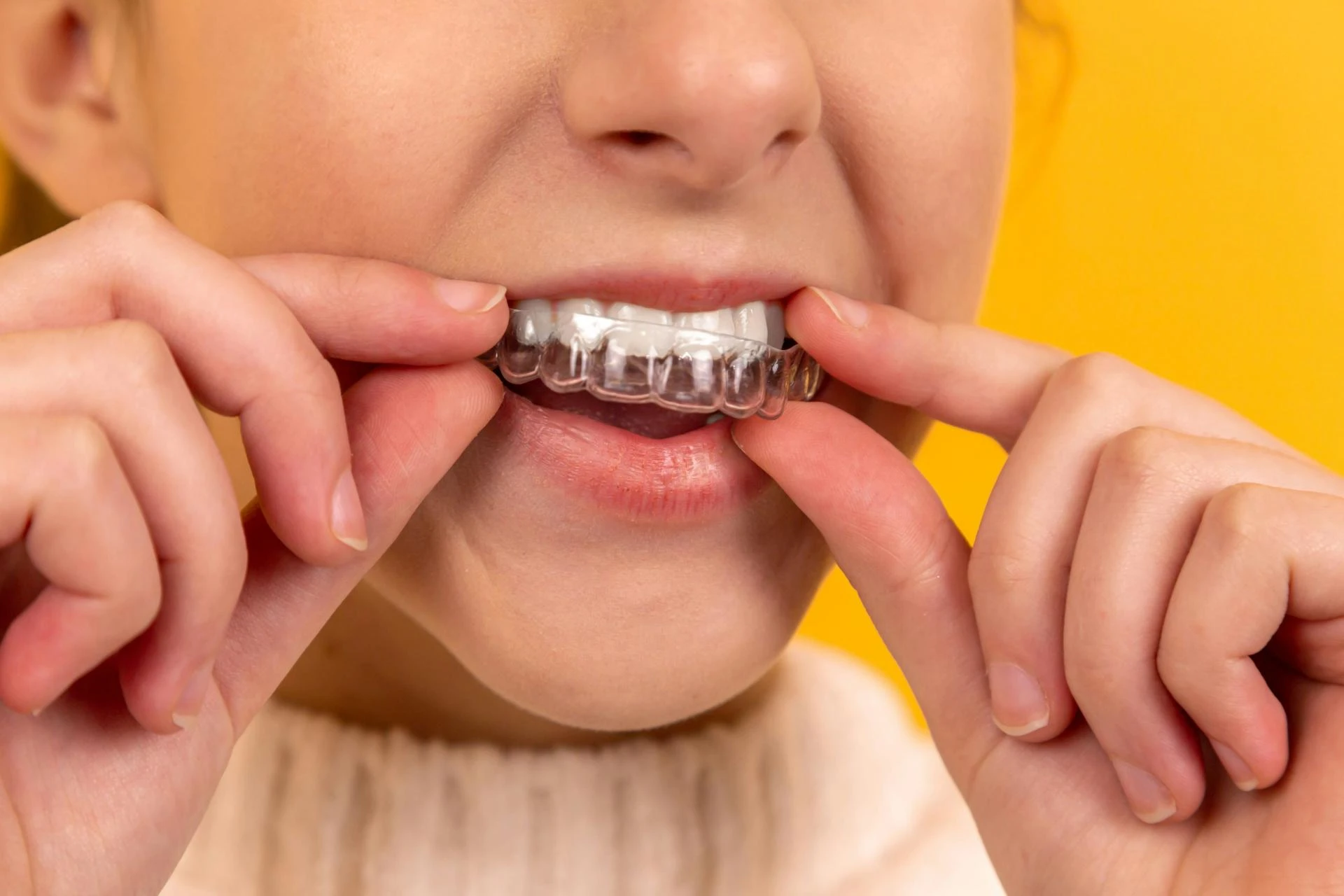

When undergoing a tooth extraction, one of the most common questions patients have is, How long until you can eat solid foods after tooth extraction? This is an important consideration during your recovery process, as the foods you consume can impact your healing time and overall comfort. Following the proper aftercare instructions can ensure that your recovery is as smooth and painless as possible. Let’s break down what you need to know about eating after a tooth extraction and when it’s safe to introduce solid foods back into your diet.
Immediate Aftercare: The First Few Hours
After your tooth extraction, the first few hours are critical. Your body will start forming a blood clot in the extraction site to stop the bleeding and protect the wound. During this period, you should avoid eating or drinking to prevent disturbing this clot. Eating too soon could lead to complications like dry socket, a painful condition where the clot is dislodged. For the first few hours, it’s best to rest and follow any additional instructions provided by your dentist.
First 24 Hours: Stick to Soft Foods
Once the initial numbness from the anesthesia wears off, you’ll be eager to eat. However, tooth extraction recovery requires you to start with soft, easy-to-eat foods. During the first 24 hours, opt for foods like mashed potatoes, yogurt, applesauce, and soups. These foods are gentle on the extraction site and will help avoid irritation. Additionally, avoid drinking through a straw, as the suction can dislodge the blood clot and delay the healing process.
It’s also important to stay hydrated during the first 24 hours. Drink plenty of water to ensure your body is properly hydrated, but remember to avoid sugary drinks or anything with caffeine, as these can cause discomfort.
2-3 Days After Tooth Extraction: Gradually Introduce More Foods
After the first couple of days, you can gradually start incorporating more solid foods into your diet. By this time, most of the swelling and discomfort should subside, and you’ll be able to tolerate slightly firmer foods. Soft, cooked vegetables, scrambled eggs, and well-cooked pasta are good options. Continue to avoid crunchy, chewy, or hard foods, as they can irritate the extraction site or even get stuck in the socket, which could lead to infection.
Maintaining good oral hygiene during this period is also crucial. Gently rinse your mouth with warm salt water to keep the extraction site clean, and avoid brushing directly on the affected area to avoid irritation.
When Can You Eat Solid Foods Again?
Typically, around the third to fifth day after your tooth extraction, you can start to eat more solid foods as long as they don’t irritate the extraction site. Begin with soft solids that are easy to chew, such as steamed vegetables, tender meats, or soft fruits. As your healing progresses, you can gradually move to more textured foods, but be cautious. Listen to your body and stop eating anything that causes discomfort or pain.
By the end of the week, most people can return to their normal diet, though it’s important to avoid extremely hard or sticky foods until the site is fully healed. The timeline can vary depending on the complexity of the extraction, so if you’re unsure about when it’s safe to resume eating solid foods, it’s always best to check with your dentist.
Foods to Avoid After Tooth Extraction
Even once you begin eating solid foods again, there are certain foods you should continue to avoid. These include:
- Hard or crunchy foods: Nuts, chips, and raw vegetables could irritate the wound.
- Spicy foods: Spices can cause discomfort or inflammation in the extraction site.
- Hot foods: Foods that are too hot can increase swelling and cause discomfort.
- Alcohol: It can interfere with the healing process and interact negatively with prescribed medications.
Avoiding these foods will help you avoid setbacks in your recovery and allow you to heal more effectively.
When to Consult a Dentist
If you experience increased pain, swelling, or difficulty eating after the first few days of recovery, it's important to consult with your dentist. These could be signs of complications, such as an infection or dry socket, and it’s better to address them early to avoid more serious issues. Your dentist will be able to guide you through the recovery process and provide recommendations to help you heal as quickly as possible.
At Rise Dentistry, we understand that recovery after a tooth extraction can feel challenging, but we’re here to help every step of the way. Whether you’re managing pain, struggling with what to eat, or need personalized care, our expert team is here to support you. Our family dentistry practice is dedicated to providing comprehensive care for patients of all ages. If you’re in need of expert advice, don’t hesitate to schedule an appointment with our dentist in Magnolia today.


























Sign in to leave a comment.