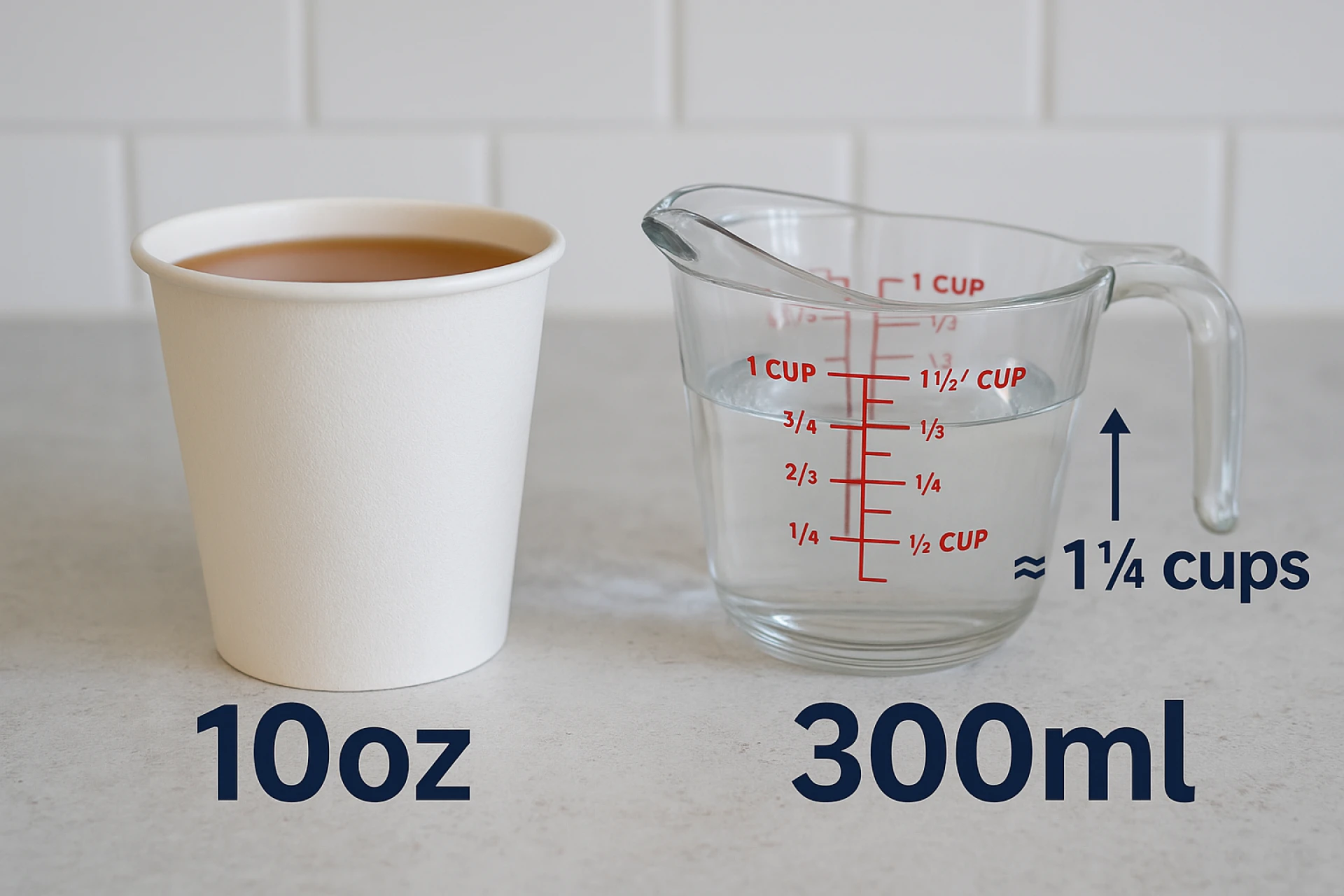

Introduction: Small Numbers, Big Impact
Converting 10oz or 300ml to cups might seem like a minor task, but whether you're baking a cake, serving a latte, or selecting an eco-friendly cup for your business, accuracy can make all the difference.
These conversions play a key role in:
- Getting recipes right
- Preventing overfilling in drink service
- Choosing the correct compostable PLA cup size
- Avoiding waste, mismatches, and customer complaints
This guide not only gives you the correct cup equivalents for 10oz and 300ml but also explains how that knowledge helps when selecting sustainable drinkware like PLA cups.
Section 1: The Basic Conversions — 10oz and 300ml in Cups
VolumeUS CupsMetric Cups10oz1.25 cups~1.18 metric cups300ml1.27 cups1.2 metric cups
Key Reference Points:
- 1 US cup = 8 fl oz
- 1 metric cup = 250ml
- 1 US fluid ounce = 29.57ml
So, 10oz ≈ 295ml, and 300ml ≈ 10.14oz, making them extremely close in most practical scenarios.
Section 2: How Misjudging Volume Leads to Real Problems
Here’s what happens when you guess wrong:
- A 300ml latte in an 8oz PLA cup overflows and ruins the lid seal
- A 10oz soup served in a 12oz container wastes space and packaging
- A 1.5 cup recipe accidentally uses 2 cups—resulting in dense batter
- Compostable cups not matched to actual drink volume may be misused or discarded, defeating their environmental benefit
Section 3: The Role of PLA Cups in Sustainable Service
PLA (polylactic acid) cups are derived from plants—typically corn starch—and offer a biodegradable, compostable alternative to petroleum-based plastic cups.
Benefits of using PLA cups:
- Made from renewable materials
- Suitable for cold beverages (ideal for 10oz–16oz sizes)
- Available with clear volume markings (oz/ml)
- Compostable in commercial facilities (per ASTM D6400)
Why Cup Size Matters for PLA
Choosing a PLA cup that aligns with your actual serving volume:
- Reduces overuse of materials
- Ensures proper lid fit and stacking
- Helps staff pour the correct drink size every time
Section 4: Real-World Use Cases
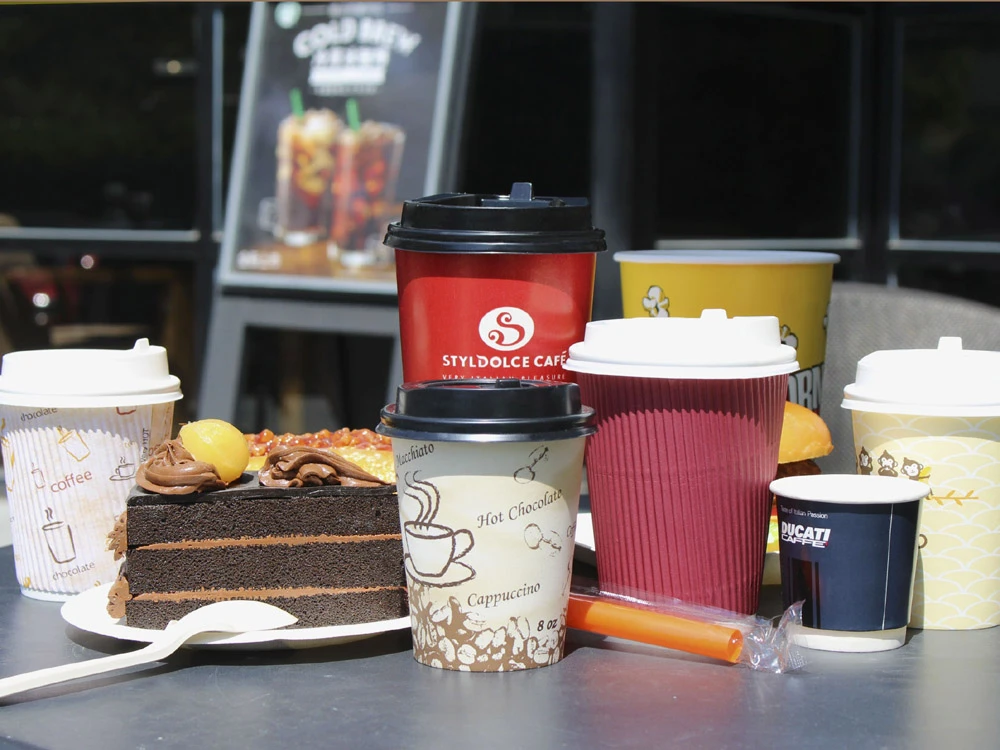
☕ Coffee Shops
A 10oz iced tea or cold brew fits best in a PLA cold drink cup labeled 10oz/295ml. Baristas can serve with confidence, knowing there’s no risk of spill—and no waste from oversizing.
🍹 Event Catering
Serving 300ml of lemonade? Choose a clear compostable PLA cup sized to 300ml. Add a matching PLA straw and lid for a fully sustainable set.
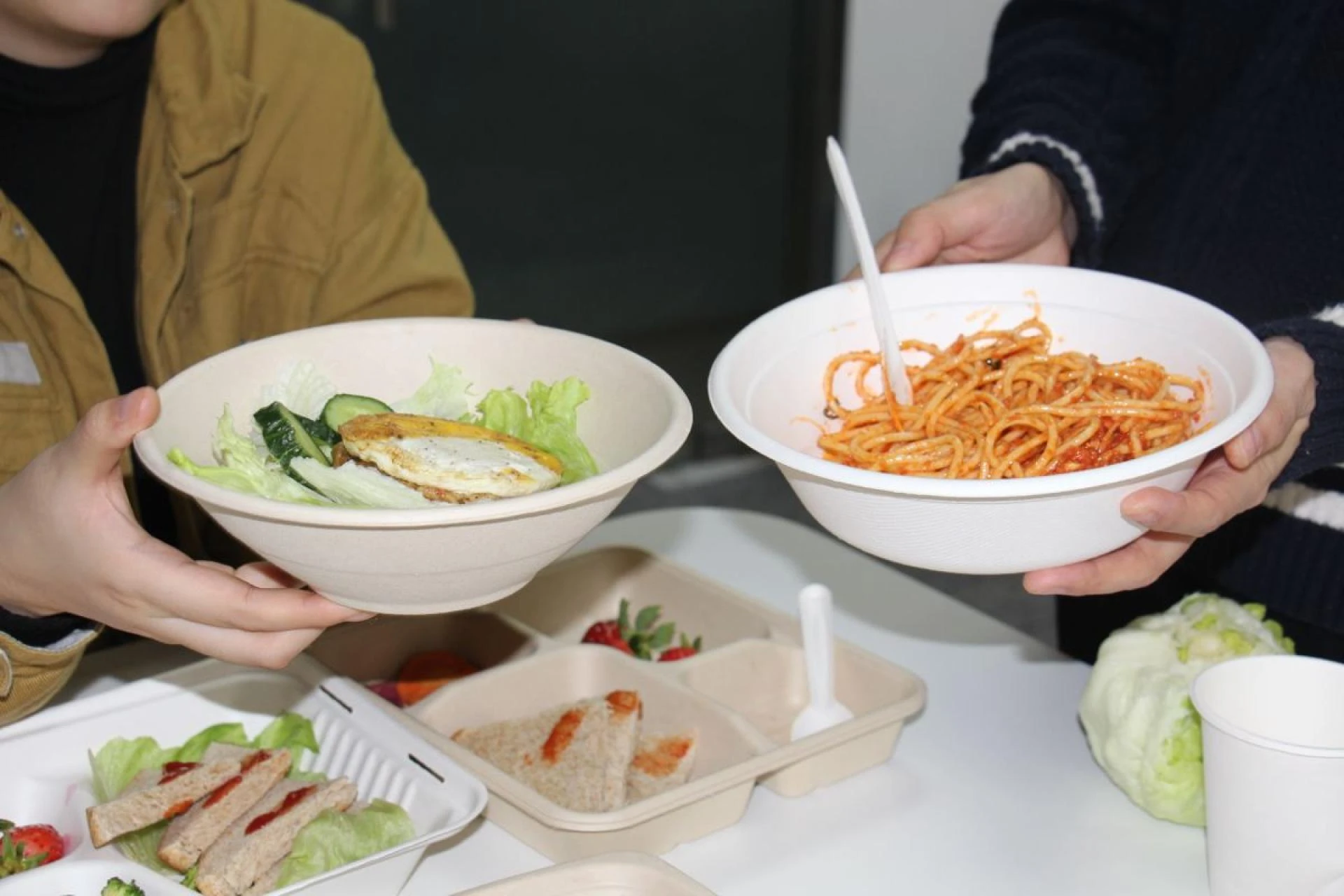
🥗 Takeaway Salads
Portioning dressings or sides? Use 300ml PLA bowls with lids—sturdy, visually clear, and aligned with the kitchen’s portion guides.

Section 5: International Cup Differences to Consider
Country1 Cup EqualsUnited States236.6mlAustralia/NZ250mlUnited Kingdom284mlCanada227ml
So:
- 300ml = 1.27 US cups
- 10oz = about 1.06 UK cups
- Always adjust based on where your recipe or product spec comes from.
Section 6: Do All Compostable Cups Use the Same Volume Logic?
No. In fact:
- Some PLA cups are rounded (e.g., 10oz = 280ml), while others are exact
- Lid compatibility may vary—some lids only fit specific cup shapes even at the same volume
- Bio-coated paper cups (like PE-lined paper) may appear similar to PLA but aren't compostable
- Not all cups labeled “eco” are actually plant-based—check for certifications like ASTM D6400 or EN13432
Look for PLA cups that specify:
- Volume in oz and ml
- Material composition
- Compostable certification
Section 7: How to Visualize 10oz and 300ml Without Measuring Tools
✅ 10oz =
- 1¼ US cups
- 20 tablespoons
- One standard small coffee cup
- Fills a 10oz PLA cup to the line
✅ 300ml =
- 1.27 US cups
- Slightly more than a metric cup
- Equal to a medium soup bowl or smoothie portion
Pro tip: use containers with volume markings for consistency—many compostable cups now include internal fill lines.
Section 8: Making Smart Purchases for Food Packaging
If you sell beverages or food in eco packaging, knowing your volumes avoids:
- Excess waste
- Overpaying for unnecessary size
- Poor lid or sleeve fit
- Compost contamination due to overflows or misuse
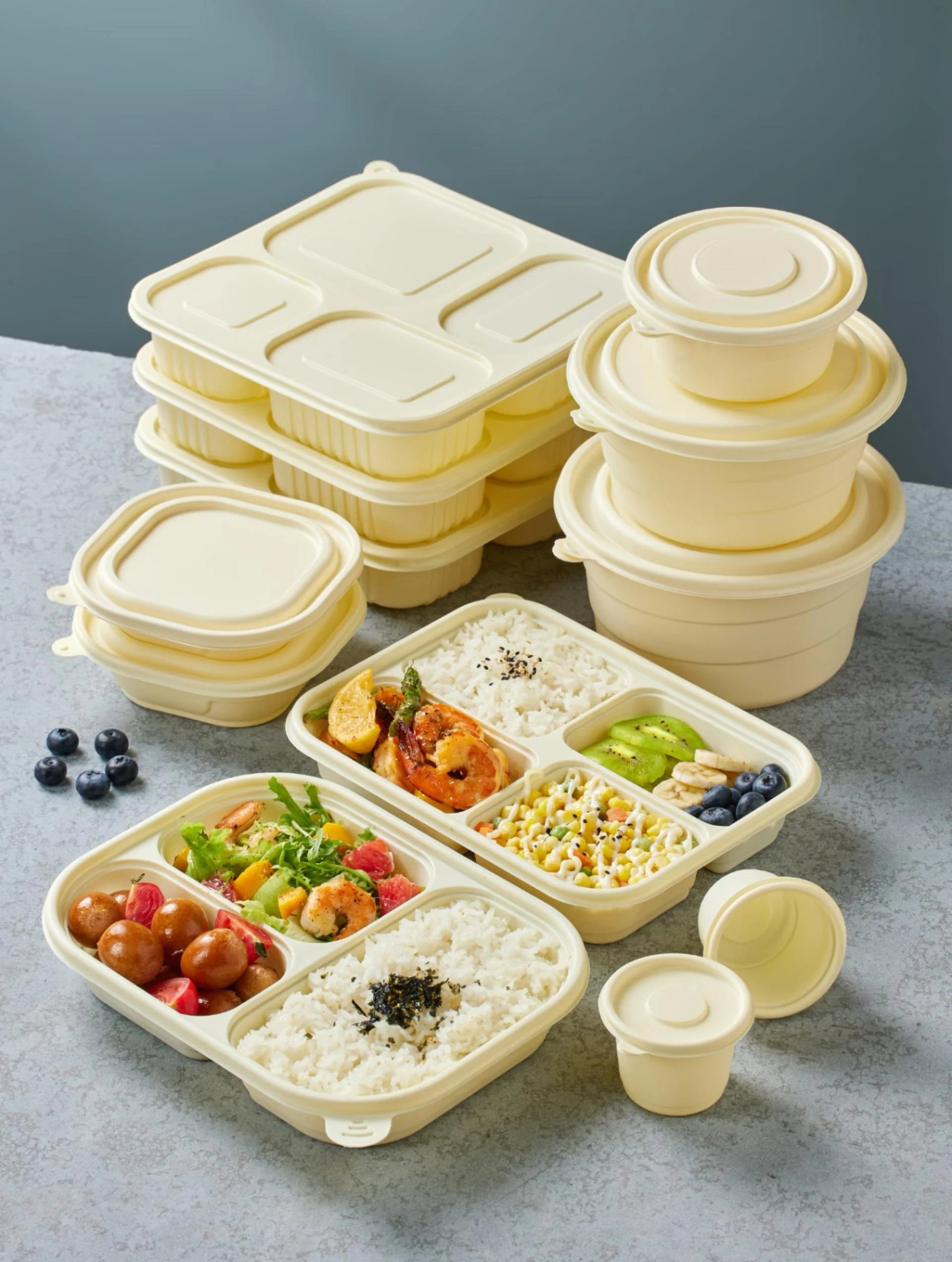
Match your 300ml smoothies, 10oz iced teas, or 295ml soups with correctly sized PLA or bagasse containers—labeling accuracy makes your sustainability program stronger and more credible.
Section 9: Common FAQs
Is 10oz the same as 1 cup?
No, it’s 1.25 US cups
Is 300ml too much for a 10oz cup?
They’re very close—300ml ≈ 10.14oz, so a true 10oz PLA cup can hold 300ml in most designs
Can you use PLA cups for hot drinks?
No. PLA softens above 50°C (122°F). Use bagasse or paper-based cups for heat.
Are PLA cups reusable?
They’re single-use, designed to compost commercially—not to be washed or reused like glass.
Conclusion: Measure Smart, Serve Better, Waste Less
Whether you’re baking a cake or running a zero-waste café, knowing how many cups are in 10oz or 300ml improves accuracy and sustainability. From choosing the right PLA cup to preparing exact food portions, volume knowledge is power.
When you match the right 10oz or 300ml serving with a properly labeled, compostable cup or bowl:
- You prevent packaging waste
- You improve customer satisfaction
- You protect your compost stream from contamination
- You reinforce your eco-friendly brand values
So yes, conversions matter—and PLA cups are part of the solution.



























Sign in to leave a comment.