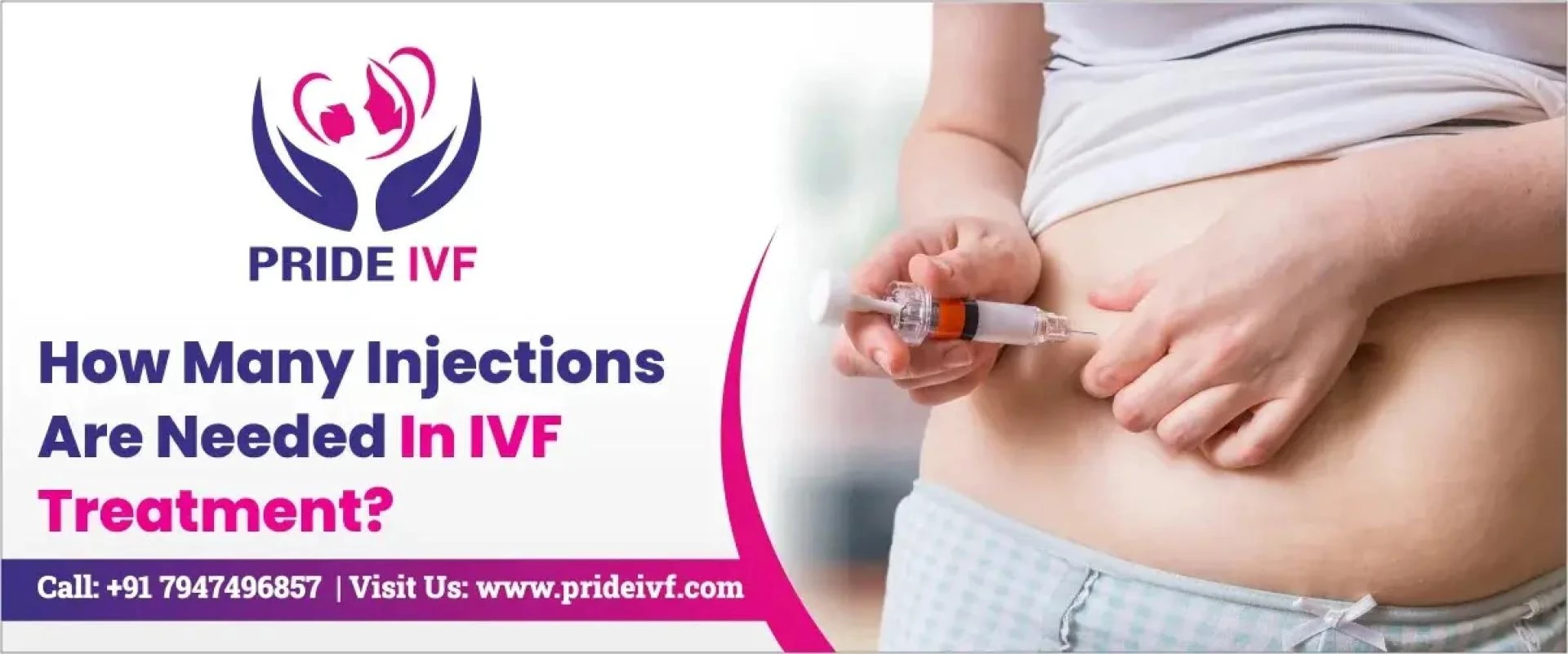

In vitro fertilization (IVF) is a widely used assisted reproductive technology (ART) that helps many couples achieve their dream of parenthood. One of the key components of IVF treatment is the use of hormone injections to stimulate the ovaries, control ovulation, and support the early stages of pregnancy. For those considering or starting IVF, understanding the number of injections involved can help prepare for the process both mentally and physically. Here’s a detailed look at what to expect. Know more about How Many Injections For IVF Treatment?
Stages of IVF Treatment and Their Injections
IVF treatment generally involves several stages, each requiring specific types of injections. The number and type of injections can vary depending on individual protocols recommended by the fertility specialist.
1. Ovarian Stimulation
- Purpose: To stimulate the ovaries to produce multiple eggs.
- Common Medications: Follicle-stimulating hormone (FSH) and luteinizing hormone (LH) or a combination drug like human menopausal gonadotropin (hMG).
- Duration: Typically, 8-14 days.
- Frequency: Daily injections.
Example Medications:
- Gonal-F
- Follistim
- Menopur
During this phase, you might receive one or more injections per day to help mature multiple follicles in the ovaries.
2. Preventing Premature Ovulation
- Purpose: To prevent premature ovulation and ensure the eggs mature properly.
- Common Medications: Gonadotropin-releasing hormone (GnRH) agonists or antagonists.
- Duration: Similar to the ovarian stimulation phase, around 8-14 days.
- Frequency: Daily injections.
Example Medications:
- Cetrotide
- Ganirelix
3. Trigger Shot
- Purpose: To induce the final maturation of the eggs and trigger ovulation.
- Common Medications: Human chorionic gonadotropin (hCG) or a GnRH agonist.
- Timing: Given 36 hours before the egg retrieval procedure.
- Frequency: Single injection.
Example Medications:
- Ovidrel
- Pregnyl
- Lupron (GnRH agonist trigger)
4. Luteal Phase Support
- Purpose: To support the uterine lining and early pregnancy.
- Common Medications: Progesterone.
- Duration: From the day of the egg retrieval or embryo transfer up until the pregnancy test, and often continued into early pregnancy if the test is positive.
- Frequency: Daily injections or other forms such as suppositories or oral medication.
Example Medications:
- Progesterone in oil (PIO)
- Endometrin (vaginal insert)
- Crinone (vaginal gel)
Total Number of Injections
The total number of injections for an IVF cycle can vary significantly based on the individual treatment protocol, but here’s a rough estimate:
- Ovarian Stimulation: 8-14 injections (one per day)
- Prevention of Premature Ovulation: 8-14 injections (one per day)
- Trigger Shot: 1 injection
- Luteal Phase Support: Daily injections for 2-3 weeks or until the pregnancy test (14-21 injections)
In total, you might receive approximately 27-50 injections per cycle. However, this number can fluctuate based on your response to the medications and any adjustments your doctor might make to your treatment plan.
Managing Injections During IVF
- Preparation: Follow your clinic\'s instructions carefully for mixing and administering injections. Your clinic may offer a training session to ensure you’re comfortable with the process.
- Support: Enlist the help of your partner, a friend, or a family member to assist with injections, especially those that need to be administered in hard-to-reach areas.
- Organization: Use a calendar or app to track your injections and ensure you don’t miss any doses.
- Self-Care: Keep an eye on your emotional and physical health. The process can be stressful, so find ways to relax and take care of yourself.
Conclusion
IVF treatment involves a series of hormone injections designed to optimize your chances of a successful pregnancy. While the number of injections can seem daunting, each one plays a crucial role in the complex and precise process of IVF. Understanding the purpose and timing of each injection can help you feel more prepared and empowered throughout your IVF journey. Always work closely with your fertility specialist to follow your personalized treatment plan and address any concerns or questions you may have.



























Sign in to leave a comment.