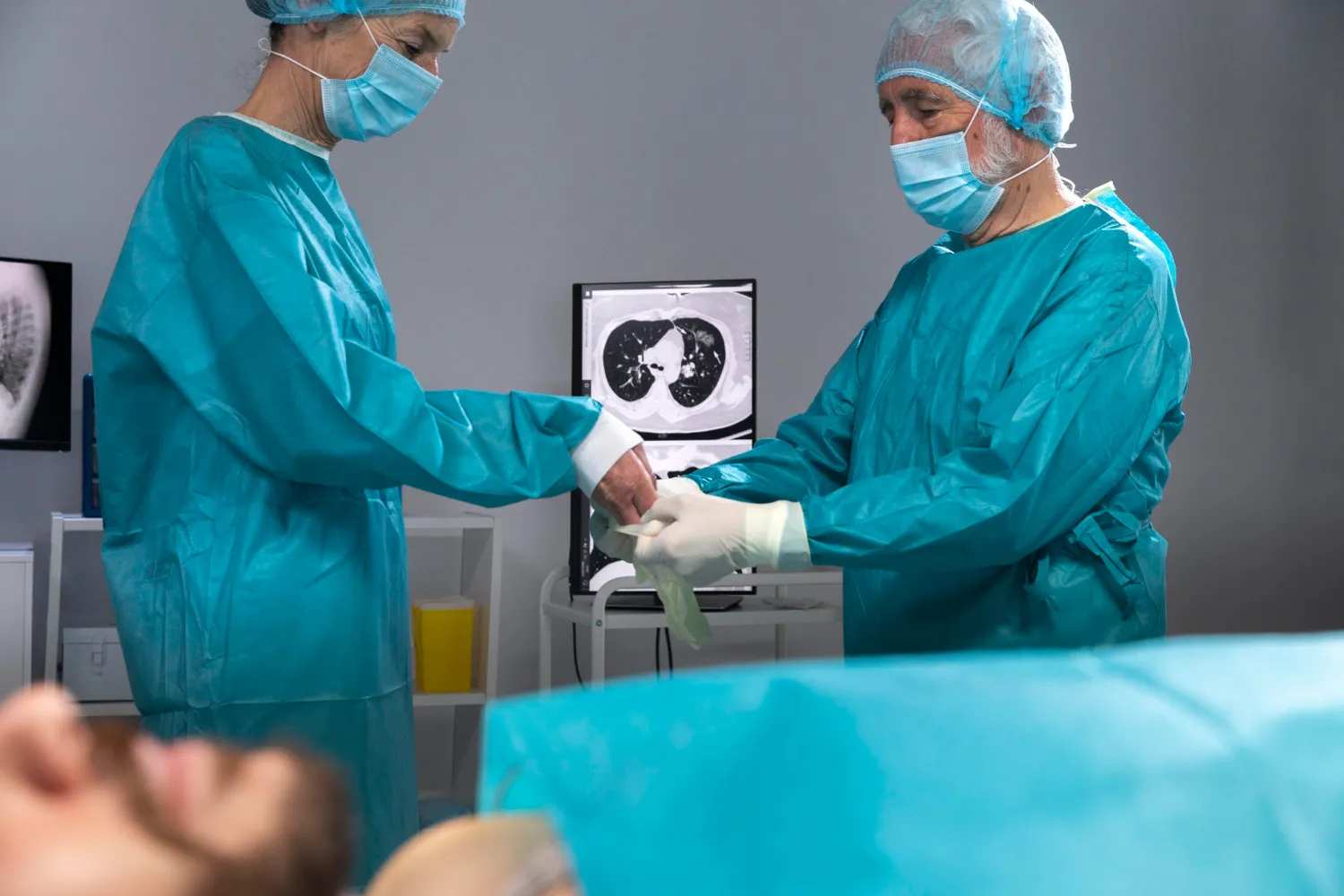

Advancements in surgical technology have significantly improved the treatment of gastrointestinal cancers. Modern techniques now allow surgeons to perform complex procedures with greater precision and less impact on the patient’s body. Many individuals seek expert care from specialists like Dr. Ajay Yadav, who provides advanced Gastrointestinal Cancer Surgery in Lucknow, focusing on accurate diagnosis and personalized treatment plans for better patient outcomes.
Understanding Gastrointestinal Cancer Surgery
Gastrointestinal cancers can affect various organs, including the stomach, colon, rectum, pancreas, liver, and esophagus. In many cases, surgery plays a crucial role in removing tumors and controlling the spread of cancer.
The choice of surgical method depends on several factors such as the stage of cancer, its location, and the patient’s overall health. With recent advancements, minimally invasive techniques are now widely used to improve surgical outcomes.
What Are Minimally Invasive Techniques?
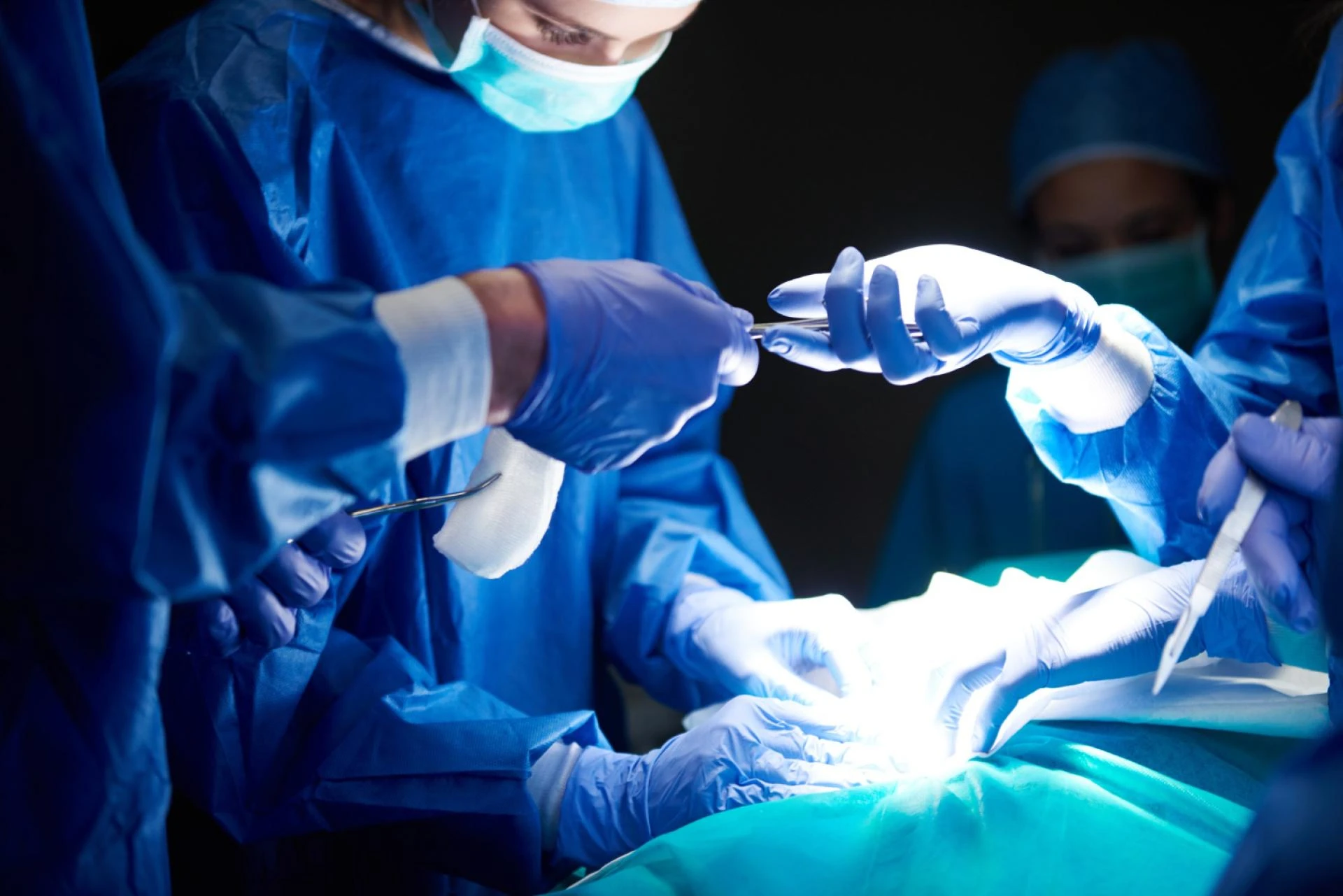
Minimally invasive surgery involves the use of small incisions, specialized instruments, and advanced imaging systems to perform procedures inside the body. Techniques such as laparoscopic and robotic-assisted surgery allow surgeons to operate with enhanced precision.
These methods are increasingly being used in gastrointestinal cancer surgeries to reduce complications and improve recovery time.
Benefits of Minimally Invasive Cancer Surgery
Compared to traditional open surgery, minimally invasive techniques offer several important benefits:
Smaller Incisions
Smaller cuts lead to less tissue damage and minimal scarring.
Reduced Pain
Patients generally experience less pain after surgery, making recovery more comfortable.
Faster Recovery
Recovery time is shorter, allowing patients to return to daily activities sooner.
Lower Risk of Complications
The risk of infection and blood loss is reduced due to the precision of the procedure.
Improved Surgical Precision
Advanced tools and imaging help surgeons perform complex procedures more accurately.
When Are These Techniques Used?
Minimally invasive approaches are commonly used in selected cases of gastrointestinal cancers, especially when the tumor is detected at an early or manageable stage.
However, not all patients are suitable candidates. The decision depends on:
- The size and location of the tumor
- The stage of cancer
- The patient’s overall medical condition
A detailed evaluation is essential to determine the most appropriate treatment approach.
What to Expect During Recovery
Recovery after minimally invasive gastrointestinal cancer surgery is usually smoother compared to traditional surgery.
Patients can expect:
- Shorter hospital stays
- Faster return to normal diet and activities
- Less post-operative discomfort
- Regular follow-up care and monitoring
Proper post-surgical care and medical guidance play an important role in recovery.
Choosing the Right Specialist
Gastrointestinal cancer surgery requires expertise, precision, and careful planning. Many patients prefer consulting a Best Gastrosurgeon in Lucknow who has experience in advanced surgical techniques and cancer management.
Dr. Ajay Yadav is known for his structured approach, modern surgical methods, and patient-focused care. His experience in minimally invasive gastrointestinal procedures helps ensure safer treatment and improved recovery outcomes.
Conclusion
Minimally invasive techniques have transformed gastrointestinal cancer surgery by making procedures safer and recovery faster. With early diagnosis and expert surgical care, patients can benefit from advanced treatment options and improved quality of life.






























Sign in to leave a comment.