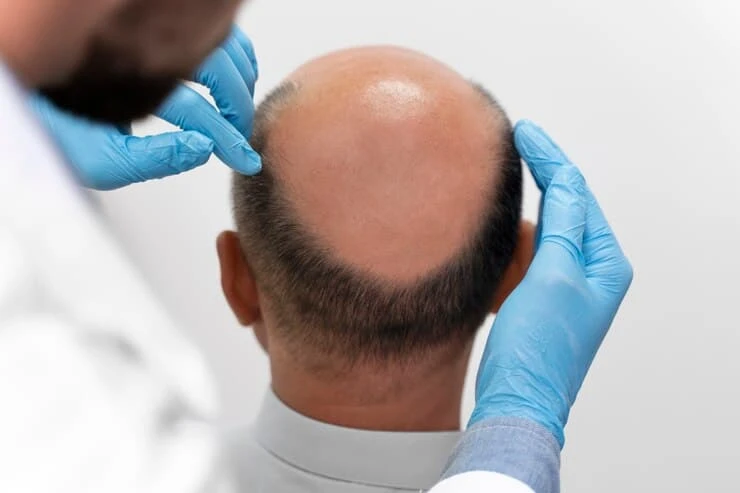

Hair plays a significant role in a person’s identity, confidence, and self-expression. For those experiencing hair loss, the emotional and physical impact can be profound. Thankfully, modern innovations in alopecia treatment London have transformed the way hair loss is managed and restored. With advanced medical techniques, non-surgical therapies, and holistic approaches, London has become a leading destination for effective and life-changing alopecia solutions.
Understanding Alopecia and Its Causes
Alopecia refers to the loss of hair from the scalp or other parts of the body. It can affect both men and women and may occur for various reasons. Understanding the different forms and causes of alopecia is essential to identifying the most suitable treatment.
Types of Alopecia
There are several types of alopecia, each with unique characteristics. The most common form is androgenetic alopecia, often referred to as male or female pattern baldness. This condition is typically genetic and leads to gradual thinning of hair over time.
Another common type is alopecia areata, an autoimmune disorder where the body’s immune system mistakenly attacks hair follicles, causing sudden patchy hair loss. In more severe cases, this can progress to alopecia totalis or alopecia universalis, resulting in complete loss of hair on the scalp or entire body.
Other variations include traction alopecia, caused by prolonged tension on the hair from tight hairstyles, and cicatricial alopecia, a rarer condition where inflammation destroys hair follicles and replaces them with scar tissue.
Primary Causes of Alopecia
The causes of alopecia can be complex and multifactorial. Genetic predisposition, hormonal changes, autoimmune disorders, stress, nutritional deficiencies, and even certain medications can contribute to hair loss. Environmental factors such as pollution and chemical exposure may also exacerbate the condition. Understanding the underlying cause helps determine the most effective treatment approach.
Diagnosis and Assessment
Before any treatment begins, a comprehensive diagnosis is crucial. Specialists in London use advanced diagnostic tools to assess the extent of hair loss and identify its root cause.
Consultation and Scalp Examination
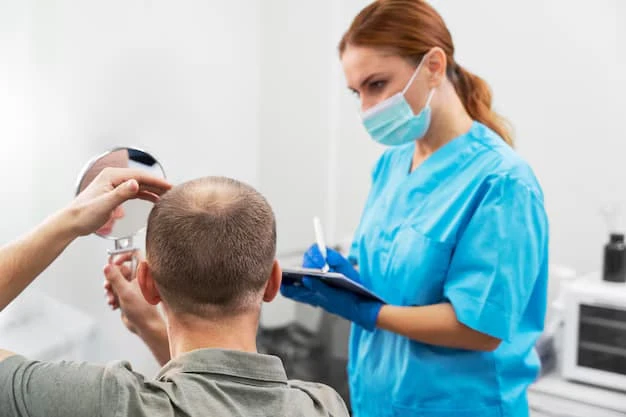
During an initial consultation, the practitioner reviews the patient’s medical history, lifestyle habits, and any family background of hair loss. A detailed scalp analysis is then performed using magnification tools or digital imaging systems to evaluate follicle health, density, and scalp condition.
Blood Tests and Medical Evaluation
In some cases, blood tests are recommended to identify potential deficiencies or hormonal imbalances. This thorough assessment ensures that the treatment plan is tailored to address both the symptoms and the underlying cause of alopecia.
Modern Approaches to Alopecia Treatment in London
London offers a wide range of innovative treatments for alopecia, blending medical science with aesthetic expertise.
Platelet-Rich Plasma Therapy (PRP)
PRP therapy has become one of the most popular non-surgical treatments for hair restoration. The process involves drawing a small amount of the patient’s blood, which is then spun in a centrifuge to separate the plasma rich in growth factors. This concentrated plasma is injected into the scalp, where it stimulates dormant hair follicles and promotes new hair growth.
PRP therapy is valued for its natural approach since it uses the patient’s own biological material, reducing the risk of allergic reactions. With multiple sessions, patients often notice stronger, thicker, and healthier hair growth.
Low-Level Laser Therapy (LLLT)
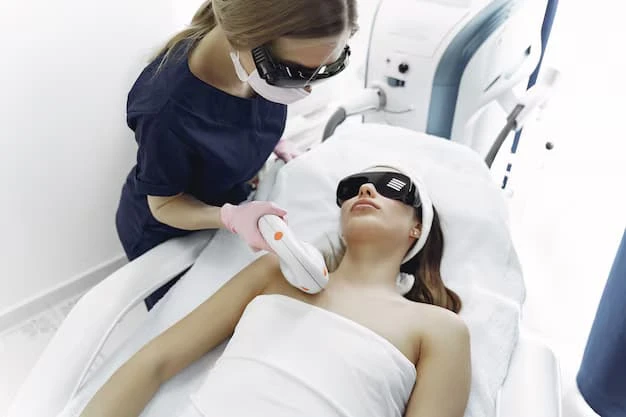
Low-Level Laser Therapy uses red light energy to enhance cellular activity within hair follicles. This non-invasive treatment improves blood circulation to the scalp, delivering more oxygen and nutrients to hair roots. Regular sessions encourage regrowth and strengthen existing hair strands. It is a comfortable, pain-free solution suitable for both men and women experiencing early-stage hair thinning.
Mesotherapy for Hair Restoration
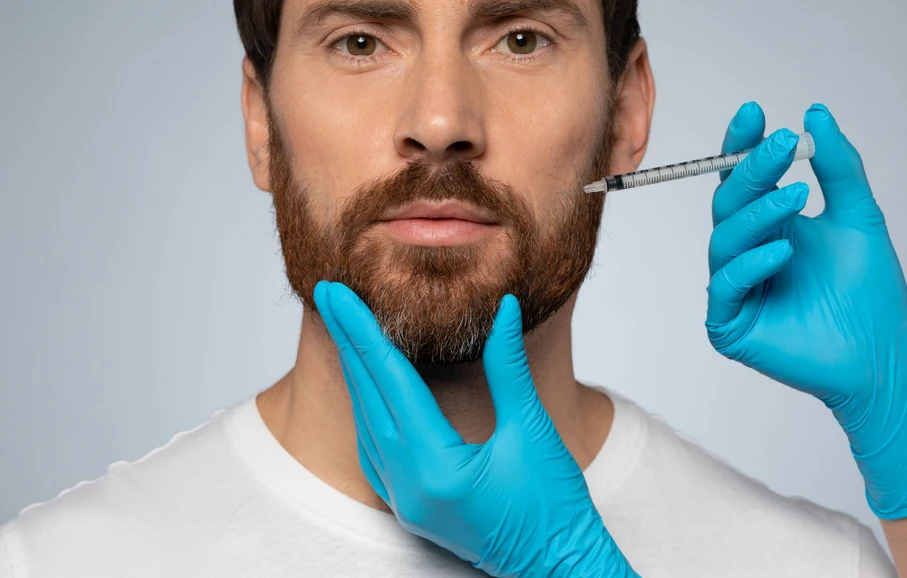
Mesotherapy involves the injection of vitamins, amino acids, and other nutrients directly into the scalp. This microinjection technique nourishes the follicles, improves scalp health, and enhances hair density. The treatment is particularly beneficial for individuals whose hair loss is linked to poor nutrition or weakened follicles.
Microneedling for Hair Stimulation
Microneedling is a procedure that uses fine needles to create tiny punctures in the scalp. This controlled micro-injury process triggers the body’s natural healing response, stimulating collagen production and improving follicle function. When combined with growth serums or PRP, microneedling enhances product absorption and boosts overall hair regrowth.
Advanced Topical and Oral Medications
Specialists in London also prescribe clinically approved medications that target hormonal and genetic causes of hair loss. These may include topical treatments to improve scalp circulation and oral medications that regulate hormonal imbalances contributing to hair thinning. When combined with professional therapies, they often deliver faster and longer-lasting results.
Surgical Solutions for Severe Alopecia
For individuals experiencing advanced or long-term hair loss, surgical options such as hair transplantation can provide permanent restoration.
Follicular Unit Extraction (FUE)
FUE is one of the most advanced surgical methods used to treat alopecia. It involves harvesting individual hair follicles from a donor area, usually the back of the scalp, and transplanting them into thinning or bald areas. The procedure leaves minimal scarring, ensures natural-looking results, and allows for a relatively quick recovery.
Follicular Unit Transplantation (FUT)
Another surgical approach is FUT, where a small strip of scalp containing healthy follicles is removed and dissected into grafts. These grafts are then implanted into bald regions. While FUT may leave a minor linear scar, it can yield high follicle survival rates and dense regrowth for suitable candidates.
Post-Transplant Care and Recovery
After hair transplantation, proper aftercare is essential for successful outcomes. Patients are usually advised to follow specific washing routines, avoid physical strain, and protect the scalp from sun exposure. With consistent care, visible results typically appear within six to twelve months.
Holistic and Lifestyle-Based Treatments
In addition to medical and surgical methods, holistic approaches play a significant role in modern alopecia management.
Nutritional Support
A balanced diet rich in proteins, iron, zinc, and vitamins A, C, and E is crucial for maintaining healthy hair growth. Specialists often recommend dietary plans or supplements to correct deficiencies that may contribute to hair loss.
Stress Management Techniques
Emotional stress can trigger or worsen alopecia. Techniques such as mindfulness, yoga, and meditation help reduce stress levels, thereby improving hormonal balance and promoting overall well-being.
Scalp Health Maintenance
Regular scalp care is essential for creating a healthy environment for hair regrowth. This may include gentle exfoliation, hydration treatments, and the use of medical-grade shampoos or serums formulated to strengthen follicles and enhance circulation.
Psychological Impact and Confidence Restoration
Hair loss can have a significant emotional toll, affecting confidence and self-esteem. The success of modern alopecia treatments in London goes beyond physical transformation. Restoring hair often brings renewed confidence, improving both personal and professional aspects of life. Many individuals who undergo treatment report increased satisfaction, reduced anxiety, and a positive shift in self-image.
Why London Is a Leading Destination for Alopecia Treatment
London is home to some of the most advanced hair restoration facilities and medical professionals in the world. The city’s commitment to innovation and patient-centered care makes it a global hub for effective alopecia treatments. Clinics across London utilize the latest technologies, offer personalized care plans, and maintain strict safety standards to ensure every patient receives the best results possible.
Factors to Consider Before Starting Treatment
Before committing to any treatment, it is important to consult a qualified specialist. Factors such as the cause of hair loss, medical history, and lifestyle habits play a critical role in determining the right course of action. Open communication between the patient and the practitioner helps set realistic expectations and ensures a tailored approach to treatment.
Conclusion
The advancement of alopecia treatment London has brought new hope to individuals struggling with hair loss. From innovative non-surgical options like PRP and laser therapy to transformative hair transplant procedures, there are solutions available for every type and stage of alopecia. Modern treatments not only restore hair but also revive confidence, self-assurance, and emotional well-being. For those seeking expert care and proven results, Este Medical Group in London provides professional, customized, and compassionate treatment options designed to change lives for the better.




























Sign in to leave a comment.