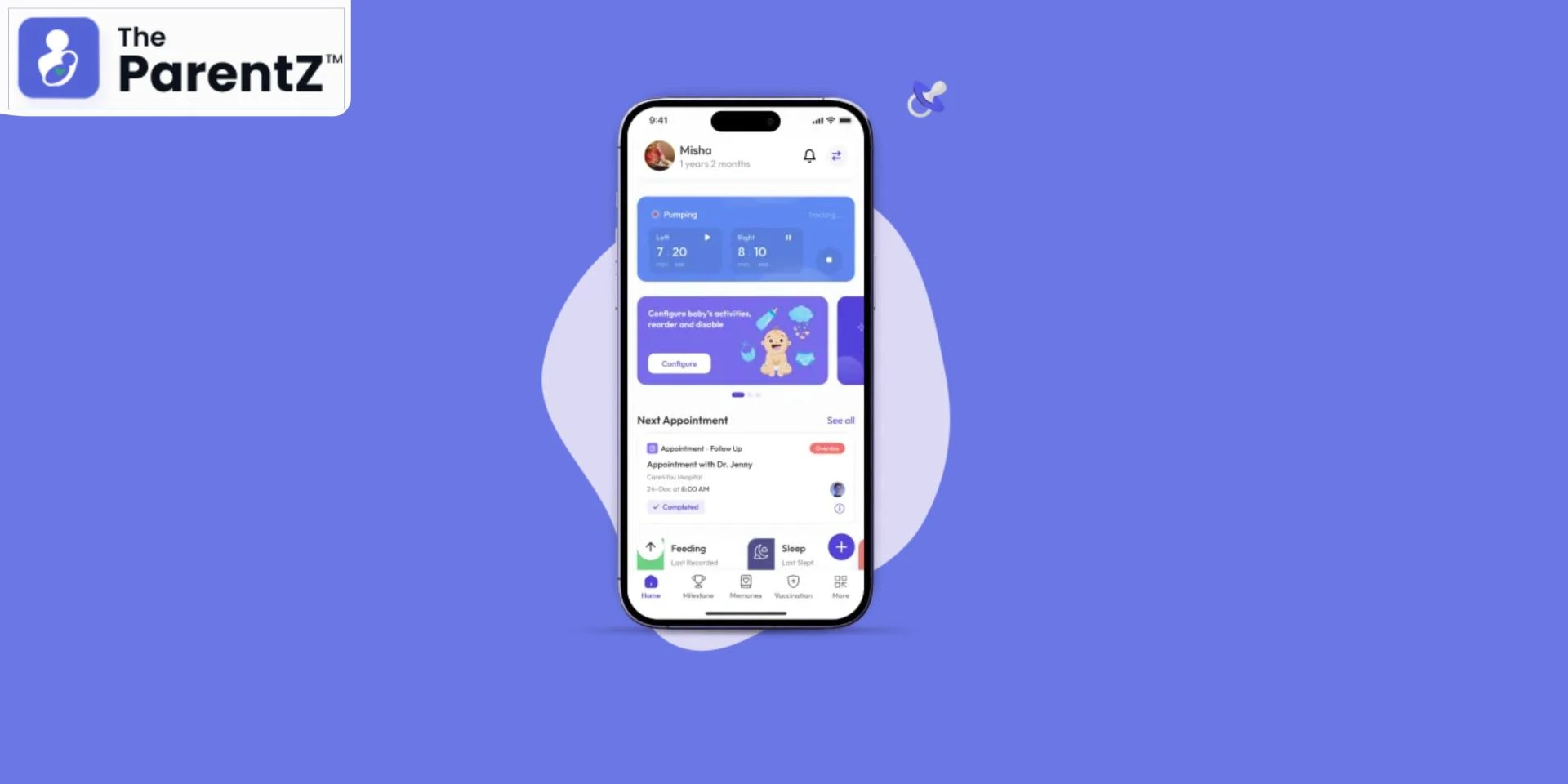

Parenting in modern India is a beautiful blend of tradition and technology. While grandparents’ wisdom still guides feeding rituals, massages, and sleep routines, today’s parents also rely heavily on data, expert-backed tools, and digital support systems. From monitoring weight milestones to tracking feeding schedules and sleep patterns, Indian parents are becoming more proactive than ever about their child’s well-being.
In this evolving landscape, tools like a Child Health and Growth Tracker App are playing a critical role in helping parents stay informed, confident, and connected throughout their baby’s early years.
The Changing Face of Parenting in India
Just a decade ago, baby care largely depended on pediatric visits, handwritten notes, and advice from elders. While these remain important, urbanization, nuclear families, and busy work schedules have changed how parents manage daily care.
Modern Indian parents today:
- Often live away from extended family
- Balance dual careers
- Have easy access to smartphones and the internet
- Seek evidence-based, pediatrician-approved guidance
As a result, parenting has become more structured and informed. Growth charts, vaccination reminders, and feeding logs are no longer kept in notebooks they’re digital, organized, and accessible anytime.
Why Tracking Baby Growth Is Crucial
A baby’s first five years are foundational for physical, cognitive, and emotional development. Monitoring growth is not about comparison; it’s about ensuring healthy progress.
Key indicators parents track include:
- Weight and height milestones
- Head circumference (especially in the first year)
- Feeding quantity and frequency
- Sleep duration and patterns
- Developmental milestones like crawling, sitting, or speaking
Early tracking helps parents and pediatricians identify potential concerns such as nutritional gaps, delayed milestones, or sleep-related issues often before they become serious.
Daily Care: More Than Just Feeding and Sleeping
Baby care is not limited to meals and naps. It’s a full ecosystem of routines that influence growth and immunity.
Modern parents track:
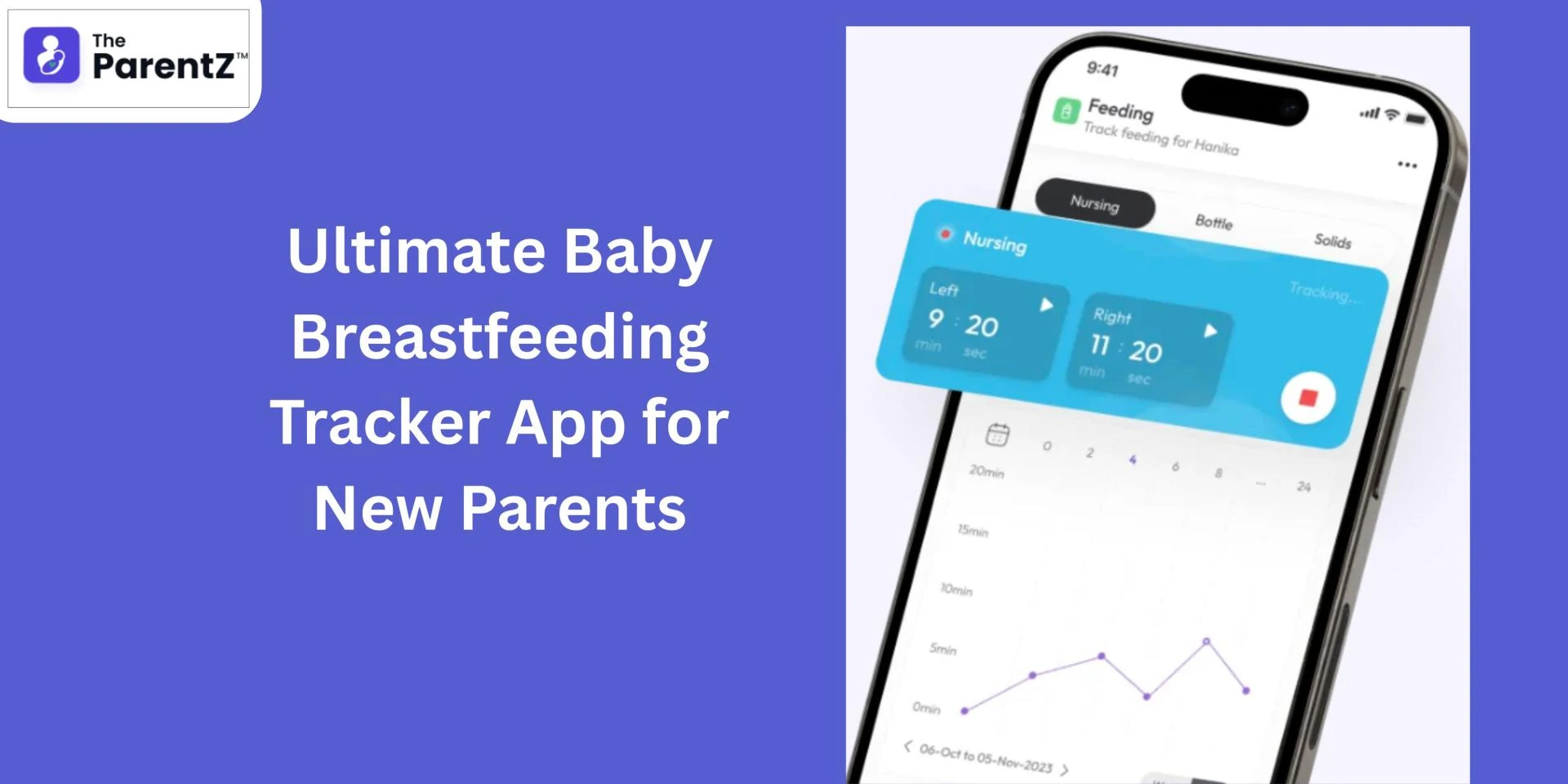
- Breastfeeding or formula intake
- Introduction of solids and allergens
- Diaper changes and hydration
- Sleep cycles and regressions
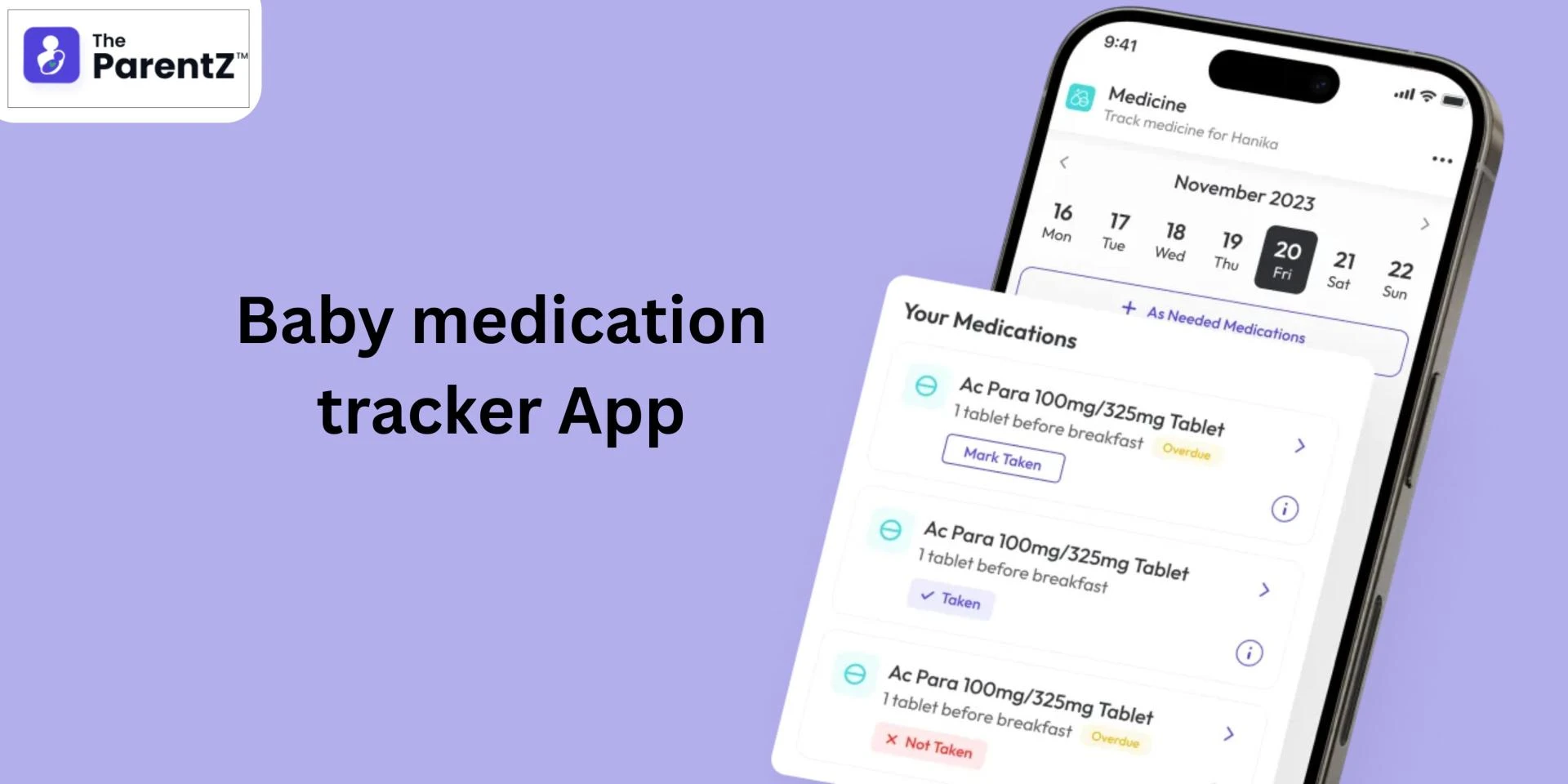
- Vaccinations and doctor visits
- Illness symptoms and recovery patterns
With consistent tracking, patterns emerge. Parents can tell what works for their baby and what doesn’t, leading to better decisions and less stress.
The Role of Technology in Baby Care
Smartphones have become an extension of modern parenting. Technology helps simplify complex routines into manageable insights.
Benefits of digital tracking tools:
- Accuracy: Automated growth charts reduce guesswork
- Consistency: Daily logs ensure routines aren’t missed
- Expert alignment: Tools often follow WHO or IAP standards
- Convenience: Everything is stored securely in one place
- Confidence: Parents feel reassured with data-backed insights
For Indian parents juggling multiple responsibilities, these tools act like a silent co-parent always available, never judgmental.
How Tracking Transformed One Family’s Baby Care Journey
Case Study: Ananya and Rohan, Bengaluru
Ananya and Rohan welcomed their first baby, Aarav, during the pandemic. With travel restrictions and elderly parents living in another city, they found themselves navigating parenthood largely on their own.
Initially, Aarav seemed healthy, but Ananya felt unsure about his feeding patterns and weight gain. Pediatric visits were infrequent due to safety concerns. That’s when they started digitally tracking Aarav’s daily feeds, sleep hours, and growth metrics.
Within weeks, they noticed that despite frequent feeds, Aarav’s weight gain was slower than expected. The growth data helped their pediatrician quickly identify a latch issue during breastfeeding. With timely guidance and minor adjustments, Aarav’s growth normalized within a month.
Today, Ananya says the biggest benefit wasn’t just the data it was peace of mind. “We felt informed, not anxious. Tracking helped us ask the right questions and care for our baby with confidence.”
How Indian Parents Are Using Data the Right Way
One common concern is over-tracking or comparing children. Modern parents are learning to use data as a guide, not a verdict.
Healthy tracking habits include:
- Focusing on personal growth trends, not averages
- Using reminders as support, not pressure
- Discussing data with pediatricians instead of self-diagnosing
- Respecting the baby’s unique pace of development
This balanced approach ensures technology empowers parenting rather than overwhelming it.
Building a Sustainable Baby Care Routine
Effective tracking is not about perfection. It’s about building a routine that adapts as the baby grows.
Tips for sustainable tracking:
- Start simple focus on feeding and sleep
- Gradually add growth and milestone tracking
- Review weekly instead of obsessing daily
- Share insights with caregivers and doctors
When used mindfully, tracking becomes a supportive habit rather than a chore.
The Emotional Side of Tracking
Beyond physical growth, tracking also supports parental mental health. Knowing that routines are recorded and progress is visible reduces anxiety, especially for first-time parents.
Many parents report:
- Better sleep due to predictable routines
- Reduced guilt around “Am I doing enough?”
- Stronger bonding through mindful observation
In this way, tracking nurtures not just the baby but the parents too.
FAQs
1. Is tracking baby growth necessary if my pediatrician says everything is fine?
Yes. Regular tracking helps maintain continuity between doctor visits and ensures early detection of subtle changes that may need attention.
2. Can growth tracking cause unnecessary anxiety?
It can if used excessively. When used as a trend-monitoring tool rather than a comparison tool, it actually reduces anxiety.
3. How often should I update my baby’s growth data?
Weight and height can be updated monthly, while daily care routines like feeding and sleep can be logged daily for better pattern recognition.
4. Are digital tracking tools reliable for Indian babies?
Most modern tools follow global and India-relevant health standards. Always choose platforms aligned with pediatric guidelines.
5. Can both parents and caregivers access the same tracking information?
Yes. Shared access helps maintain consistency in care, especially in households with working parents or multiple caregivers.
Conclusion: Empowered Parenting in the Digital Age
Modern Indian parenting is no longer about choosing between tradition and technology it’s about integrating both thoughtfully. By combining cultural wisdom with structured, expert-backed tools, parents are raising healthier, happier children.
Tracking baby growth and daily care effectively helps parents stay proactive, informed, and emotionally balanced. When done right, it transforms uncertainty into confidence and routines into meaningful insights.
Platforms like The ParentZ are supporting this new generation of parents by offering reliable, expert-driven solutions that respect both science and the realities of Indian family life.

Sign in to leave a comment.