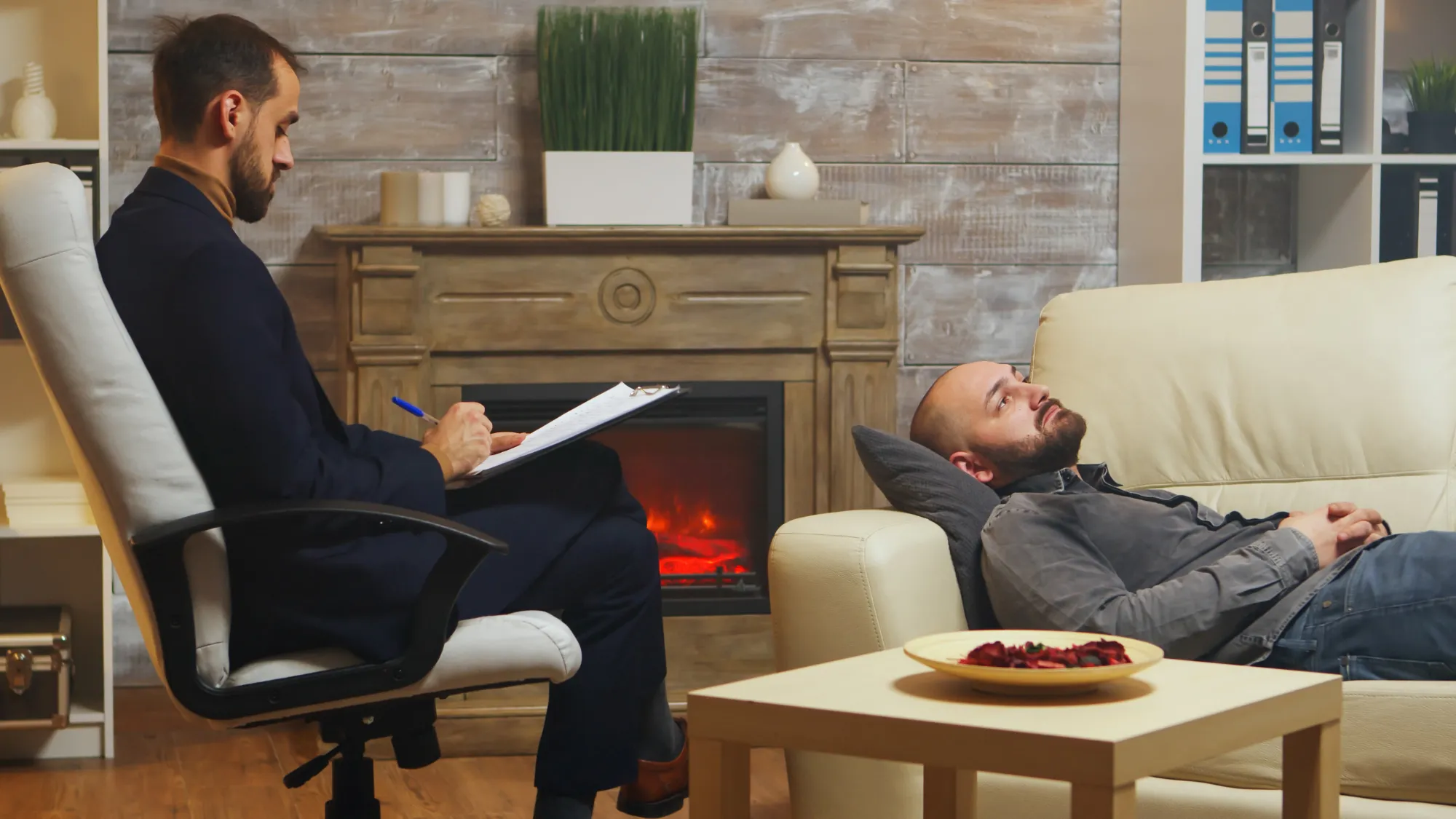

Nobody announces it.
That is the first thing worth knowing about how therapy actually works in real life. There is no dramatic turning point. No single session where everything clicks and suddenly life makes sense. It happens slowly, almost quietly, in ways that are easy to miss until one day you look back and realise things are genuinely different from how they used to be.
A friend of mine started therapy about two years ago. She did not tell many people. Just went every week, came home, got on with her life. A few months in, her sister mentioned that she seemed different. Calmer. Not in a medicated flat sort of way — just steadier. Like she had more room inside her somehow. My friend laughed it off at the time. But later she said that description was actually exactly right. She did have more room inside. Things that used to send her into a spiral were not doing that anymore. She was not reacting the same way to the same situations.
Nothing in her life had changed dramatically. The job was the same. The family dynamics were the same. The same things that used to frustrate her were still there. But her relationship to all of it had shifted in some way she still finds hard to explain. She just was not being run by it the same way.
This is what modern therapy does for a lot of people. Not miracles. Not a complete overhaul of life circumstances. Just a quiet, gradual shift in how a person relates to themselves and everything around them.
The reason therapy looks so different today compared to even twenty years ago is that the field has genuinely moved. It used to be that going to a therapist meant lying on a couch and talking about your childhood for years without any clear sense of where it was going. That still exists in some forms but it is not the whole picture anymore. There are now approaches that are far more focused and practical. Cognitive behavioural therapy helps people identify the specific thought patterns that are making them miserable and gives them concrete tools for changing those patterns. EMDR has changed how trauma is processed in ways that would have seemed almost impossible a generation ago. Acceptance and Commitment Therapy helps people stop fighting with their own inner experience and start building a life that actually matters to them instead.
These are not soft interventions. They have real evidence behind them. They work. And the reason more people are experiencing quiet but significant changes in their lives is partly because the tools available are genuinely better than they used to be.
What has also changed is who is going. For a long time, therapy had an image problem. It was for people in crisis. For people who could not handle life. For people with serious mental illness. That image has shifted considerably. People are going to therapy now because they want to understand themselves better. Because they are going through a transition — a career change, a relationship ending, becoming a parent — and they want to navigate it more thoughtfully than they would on their own. Because they have noticed patterns in their lives they cannot seem to break without some outside perspective.
The person sitting in a therapy room today is as likely to be a high-functioning professional dealing with chronic stress as someone in acute mental health crisis. And that shift in who shows up has changed what therapy addresses and how it operates.
One of the things therapy does that is genuinely hard to replicate anywhere else is give you a space where the normal rules of conversation do not apply. In regular life, there are so many things you edit before they come out of your mouth. Things you do not say to partners because you do not want to start a fight. Things you do not say to friends because you do not want to be a burden. Things you do not say to family because of the complicated dynamics that come with family. In a therapy room, none of those filters are necessary. You can say the actual thing. The unedited version. And have someone receive it without judgment, without defensiveness, without an agenda.
That experience — of being fully honest with another person and having it received without consequence — does something to people over time. It starts to change how they relate to their own inner world. Things that felt too shameful or too complicated to even acknowledge start becoming things that can be looked at directly. And things that can be looked at directly lose some of their power.
The accessibility piece has changed significantly too. Online therapy has opened this up to people who would never have walked into a clinic — whether because of distance, cost, stigma, or simply not feeling ready to sit in a room with a stranger. The ability to have a session from your own home, on your own schedule, has brought proper mental health support to people who genuinely needed it but had no realistic path to it before.
If you have been curious about therapy but have not taken the step, the honest answer is that the only way to know what it would do for you is to try it. Most people who go wish they had gone sooner. Not because it is a magic solution but because having proper support while navigating a difficult period is simply better than not having it.
Speaking to the best psychiatrist in Jaipur gives you access to exactly that kind of support — personalised, evidence-based, and focused on what actually helps you move forward.
The change it makes may not be loud. But quiet changes are often the ones that last.


























Sign in to leave a comment.