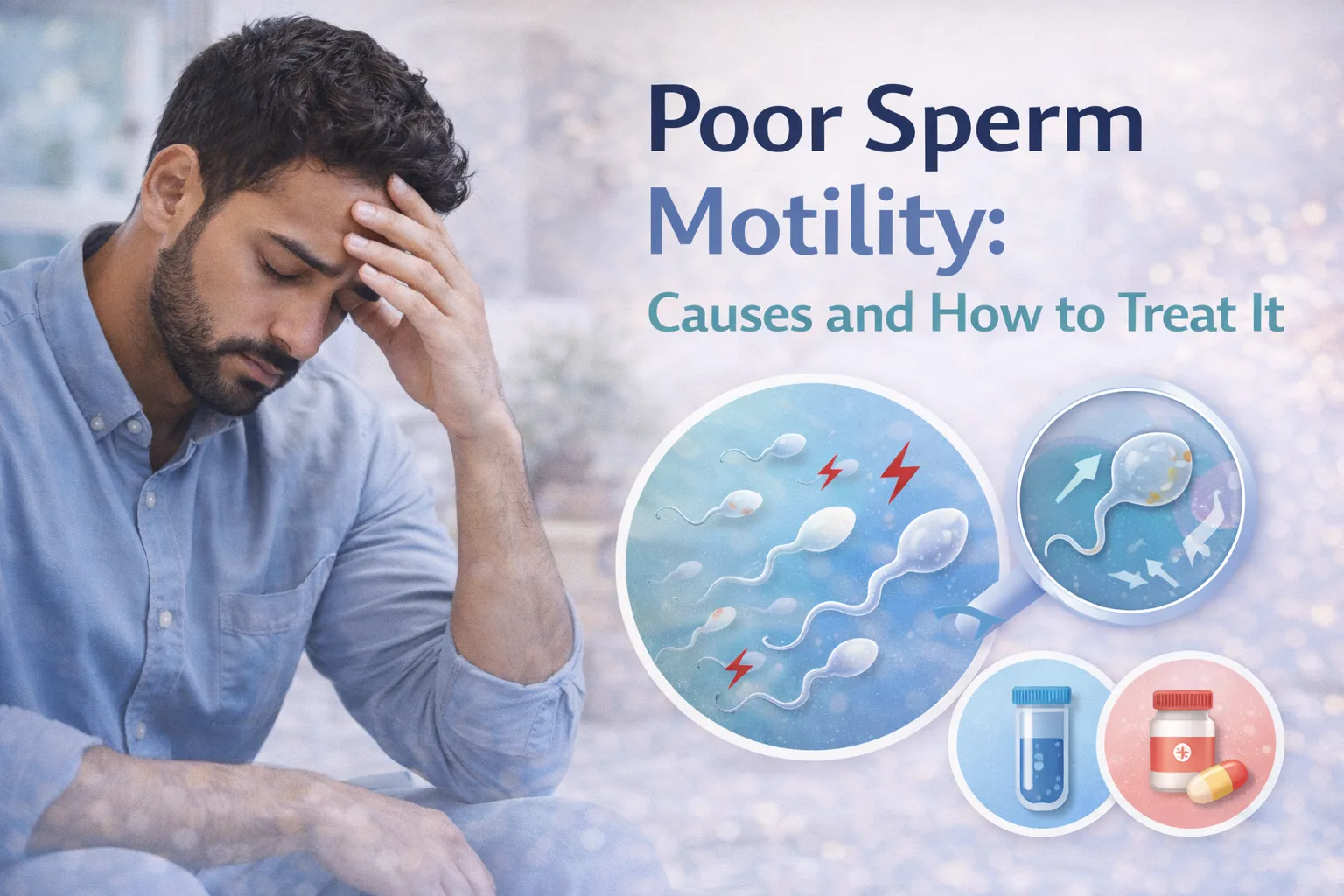

When couples struggle to conceive and decide to get tested, one of the findings that often comes up in the male partner's semen analysis is poor sperm motility. For many men, this diagnosis comes as a surprise because there are no outward symptoms and no way to know about this issue without a proper test. Understanding what poor sperm motility means, why it happens, and what can be done about it is one of the most important steps a couple can take toward finding a path forward to parenthood.
What Is Sperm Motility and Why Does It Matter
Sperm motility refers to the ability of sperm to move in a forward, purposeful, and efficient manner through the female reproductive tract. When a man ejaculates, hundreds of millions of sperm begin a remarkable journey through the cervix, into the uterus, and up through the fallopian tubes to reach the egg. This journey is long, demanding, and requires sperm to swim actively against the current of cervical mucus and reproductive fluids. Only sperm that move well, swimming in a straight or gently curving forward direction with sufficient speed, are capable of completing this journey and reaching the egg. When a significant proportion of the sperm in a sample are either completely immobile or moving in a weak, sluggish, or circular pattern, the chances of natural fertilisation are significantly reduced.
According to the World Health Organisation guidelines, a healthy semen sample should have at least 42 percent of sperm showing total motility and at least 30 percent showing progressive motility, which means moving forward in a straight or large curved path. When results fall below these thresholds, the condition is called asthenozoospermia, which simply means poor sperm motility. It can exist on its own or alongside other sperm quality issues like low count or abnormal morphology.
Common Causes of Poor Sperm Motility
Poor sperm motility rarely develops without a reason, and identifying the underlying cause is the first step toward effective treatment. Varicocele, which is an enlargement of the veins within the scrotum, is one of the most common and most correctable causes of poor sperm motility. It raises the temperature around the testes, and since sperm production and maturation require a temperature slightly below core body temperature, this elevation in heat progressively impairs the quality and movement capability of sperm over time.
Hormonal imbalances including low testosterone, elevated prolactin, and dysfunction of the thyroid gland can all affect the production and maturation of sperm in ways that reduce motility. Infections of the reproductive tract, including those caused by sexually transmitted bacteria like chlamydia and gonorrhoea, can damage the structures within the testes and epididymis where sperm mature and acquire their motility, leaving lasting impairment even after the infection itself has been treated.
Oxidative stress is another major contributor to poor sperm motility. Sperm cells are particularly vulnerable to damage from reactive oxygen species, which are unstable molecules produced as byproducts of normal metabolism but which accumulate to harmful levels when the body is exposed to smoking, alcohol, environmental pollutants, poor nutrition, or chronic stress. These reactive oxygen species damage the delicate cell membrane and the internal machinery of the sperm, impairing the tail movement that drives motility.
Genetic factors including certain chromosomal abnormalities and mutations affecting the structure of the sperm tail can also cause poor motility that does not respond to lifestyle changes or medical treatment. Additionally, the use of certain medications including anabolic steroids, some antibiotics, chemotherapy drugs, and certain antidepressants has been associated with reduced sperm motility as a side effect.
Lifestyle Changes That Improve Sperm Motility Naturally
Because many of the causes of poor sperm motility are modifiable, lifestyle changes can make a meaningful and measurable difference to sperm quality over the three months that it takes for a new generation of sperm to fully develop. Quitting smoking is one of the single most impactful changes a man can make, as cigarette smoke contains hundreds of compounds that directly damage sperm DNA and impair motility. Reducing or eliminating alcohol is equally important, as alcohol disrupts testosterone production and increases oxidative stress in the testes. Maintaining a healthy body weight, eating a diet rich in antioxidants from colourful fruits and vegetables, nuts, seeds, and oily fish, and reducing intake of processed foods and trans fats all support better sperm production and motility. Switching from tight underwear to loose-fitting boxers, avoiding prolonged hot baths and saunas, taking regular breaks from sitting for long periods, and not placing laptops directly on the lap all help maintain the cooler scrotal temperature that sperm production requires.
Medical and Assisted Reproductive Treatments
When lifestyle changes alone are insufficient or when the degree of motility impairment is severe, medical and assisted reproductive treatments offer highly effective solutions. Varicocele repair through a surgical procedure called varicocelectomy can lead to meaningful improvements in sperm motility over the following six to twelve months. Hormonal treatments can correct testosterone deficiency or elevated prolactin and restore more normal sperm production. Antioxidant supplementation with compounds including coenzyme Q10, vitamin C, vitamin E, zinc, and selenium has been shown in multiple research studies to reduce oxidative stress in the testes and improve sperm motility scores significantly.
For couples where the degree of motility impairment makes natural conception or IUI unlikely to succeed, IVF with ICSI, which stands for Intracytoplasmic Sperm Injection, is the most effective treatment available. In ICSI, the embryologist selects individual sperm under high magnification and injects a single healthy sperm directly into each mature egg, completely bypassing the need for the sperm to swim independently. This technique has been transformative for couples dealing with poor sperm motility and has helped many men who were told they could never father a child go on to become fathers. Consulting with the best IVF center in Indore gives you access to the most advanced ICSI technology and the most experienced embryologists available, ensuring that even severely compromised sperm samples are given every possible chance of achieving fertilisation. The compassionate and skilled team at the best IVF center in Indore will evaluate your semen analysis results carefully and recommend the treatment approach most likely to give you and your partner the best possible chance of achieving a healthy pregnancy.
Getting the Right Diagnosis and Support
If your semen analysis has shown poor sperm motility, the most important next step is to seek a thorough evaluation from a fertility specialist who can investigate the underlying cause and recommend the most appropriate treatment. Visiting a trusted infertility clinic in Indore gives you access to comprehensive male fertility testing that goes beyond a basic semen analysis to include hormonal blood tests, scrotal ultrasound, DNA fragmentation testing, and genetic evaluation where appropriate. The dedicated specialists at a reputable infertility clinic in Indore understand that male infertility can be an emotionally challenging diagnosis and approach every patient's care with the sensitivity, honesty, and genuine commitment to finding solutions that this situation requires. Reaching out to a qualified IVF specialist in Indore ensures that both partners receive the expert, personalised guidance they need to navigate this challenge together and move forward with a clear, evidence-based plan that gives them the best possible chance of building the family they have always hoped for.






























Sign in to leave a comment.