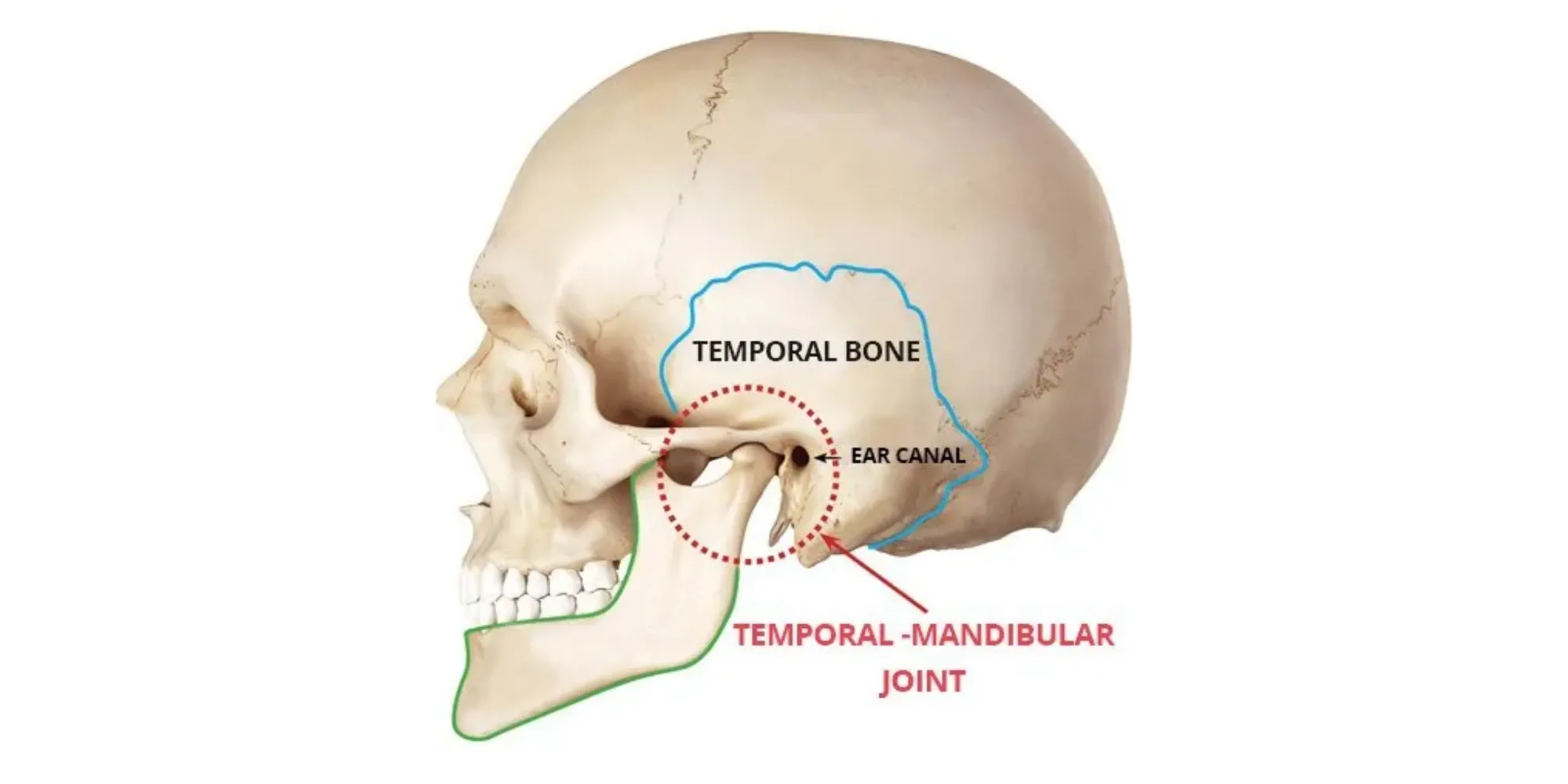

Temporomandibular joint (TMJ) problems can cause jaw pain, clicking or popping sounds, stiffness, headaches, difficulty chewing, and discomfort that may extend into the face, neck, or ears. While many people with TMJ disorders can improve with conservative treatments, some patients with severe or persistent joint problems may eventually be evaluated for surgical treatment.
When asking How Much Is TMJ Surgery?, it is important to understand that there is no single price that applies to every patient. The overall expense can vary significantly depending on the type of procedure, severity of the joint problem, diagnostic testing, anesthesia, facility fees, insurance coverage, and other individual factors. A professional evaluation is the best way to understand which treatment may be appropriate.
What Is TMJ Surgery?
TMJ surgery refers to procedures used to address structural or severe problems involving the temporomandibular joints. These joints connect the lower jaw to the skull and allow movements needed for speaking, chewing, and other everyday activities.
Surgery is generally not the first treatment recommended for TMJ disorders. Many patients can manage their symptoms through conservative approaches such as lifestyle adjustments, physical therapy, medications when appropriate, oral appliances, or other non-surgical treatments.
When symptoms are severe, persistent, or related to a significant structural problem, a specialist may discuss surgical options.
Why Does the Cost of TMJ Surgery Vary?
The overall expense of TMJ surgery depends on several factors. One of the most important is the specific procedure being considered. TMJ surgery can range from minimally invasive techniques to more complex procedures involving reconstruction or joint replacement.
Other factors that may influence the total expense include:
- The complexity of the procedure
- Diagnostic imaging and examinations
- Anesthesia requirements
- Surgical facility fees
- Specialist fees
- Post-operative appointments
- Medications and recovery needs
- Whether one or both joints require treatment
- Insurance benefits and coverage
- Additional procedures needed before or after surgery
Because these factors differ from patient to patient, an individualized treatment plan is necessary before discussing the financial aspects of surgery.
Different Types of TMJ Procedures
There are several approaches to treating serious TMJ problems, and they are not interchangeable. The procedure selected depends on the underlying condition and the patient's symptoms.
Arthrocentesis
Arthrocentesis is a minimally invasive procedure that involves placing small instruments or needles into the joint space to irrigate the area. It may be considered for certain patients experiencing pain, inflammation, or limited jaw movement.
Because it is less invasive than some other surgical procedures, recovery may be relatively shorter in appropriate cases. However, it is not suitable for every type of TMJ disorder.
Arthroscopy
TMJ arthroscopy uses a small camera and specialized instruments to examine and treat problems inside the joint. It may be used for certain inflammatory conditions, damaged joint tissues, or other structural concerns.
The overall treatment requirements can vary depending on what is found inside the joint and what needs to be addressed.
Open-Joint Surgery
Open-joint procedures provide the surgeon with greater access to the TMJ. They may be considered when there are more significant structural problems that cannot be adequately treated with less invasive approaches.
Because these procedures are more involved, the treatment and recovery process may differ considerably from minimally invasive techniques.
Joint Replacement
In severe cases where the joint is significantly damaged, a specialist may consider TMJ joint replacement. This is a more complex treatment and involves replacing damaged joint components with an artificial joint system.
The evaluation process for joint replacement is extensive because the procedure is generally reserved for carefully selected patients.
Is Surgery Always Necessary?
No. Many people with TMJ symptoms do not require surgery. In fact, healthcare and dental professionals often begin with conservative treatment whenever appropriate.
Treatment may include modifying habits that place excessive stress on the jaw, using therapeutic exercises, addressing teeth grinding or clenching, managing inflammation, or using an oral appliance when recommended.
The goal is to identify the least invasive approach that can reasonably address the patient's symptoms and underlying condition.
What Happens Before TMJ Surgery?
A thorough evaluation is an important part of determining whether surgery is appropriate. Your healthcare team may review your symptoms, medical history, dental history, jaw function, and previous treatments.
Imaging may also be recommended to examine the joint and surrounding structures. Depending on the situation, imaging can include X-rays, CT scans, or MRI studies.
A specialist may also want to know how your symptoms affect chewing, speaking, sleeping, and everyday activities. This information helps establish whether surgery is justified and which procedure may be most appropriate.
Insurance and TMJ Surgery
Insurance coverage for TMJ treatment can vary considerably. Some plans may provide coverage for certain medically necessary procedures, while others may have limitations, exclusions, or specific requirements.
Before scheduling surgery, patients should contact their insurance provider and ask about benefits, authorization requirements, deductibles, and covered specialists or facilities.
A dental or medical office may also be able to help you understand which documentation may be required for an insurance claim.
Can a Dentist Help With TMJ Problems?
A dentist can play an important role in evaluating jaw discomfort and determining whether your symptoms may be related to a TMJ disorder. Depending on your condition, your dentist may recommend conservative treatment or refer you to an appropriate specialist.
For patients in the Ventura and surrounding areas, Beach Cities Dental Group can be a helpful starting point for discussing jaw pain, clicking, limited movement, or other TMJ-related concerns. The dental team can evaluate your symptoms and help determine whether further diagnostic testing or specialist care may be appropriate.
What Questions Should You Ask About TMJ Surgery?
If surgery is being considered, ask your provider to explain the diagnosis and why surgery is recommended. Useful questions include:
- What is causing my TMJ symptoms?
- Are there non-surgical treatment options?
- Which procedure is being recommended?
- What are the potential benefits and risks?
- How long might recovery take?
- Will I need additional treatment afterward?
- What expenses may be covered by insurance?
- What follow-up care will be required?
Understanding these details can help you make a more informed decision.
Recovery and Long-Term Care
Recovery depends on the type of TMJ procedure performed. Less invasive treatments may involve a shorter recovery, while more complex surgery can require considerably more time and follow-up care.
Your provider may recommend dietary modifications, jaw exercises, physical therapy, medications, or other measures during recovery. Following post-operative instructions carefully can support healing and help protect the treatment results.
Long-term care may also involve addressing habits such as teeth clenching or grinding that could place stress on the jaw joints.
Take the Next Step for TMJ Care
TMJ surgery can involve different procedures, and the financial considerations vary accordingly. Rather than focusing only on a general estimate, it is more useful to first determine the cause and severity of your TMJ problem and identify the treatment that is actually needed.
If you are wondering How Much Is TMJ Surgery?, Beach Cities Dental Group can help you begin with an evaluation and discuss appropriate treatment options. A personalized assessment can provide a clearer understanding of whether conservative care, specialist treatment, or surgical evaluation may be appropriate for your jaw concerns.




























Sign in to leave a comment.