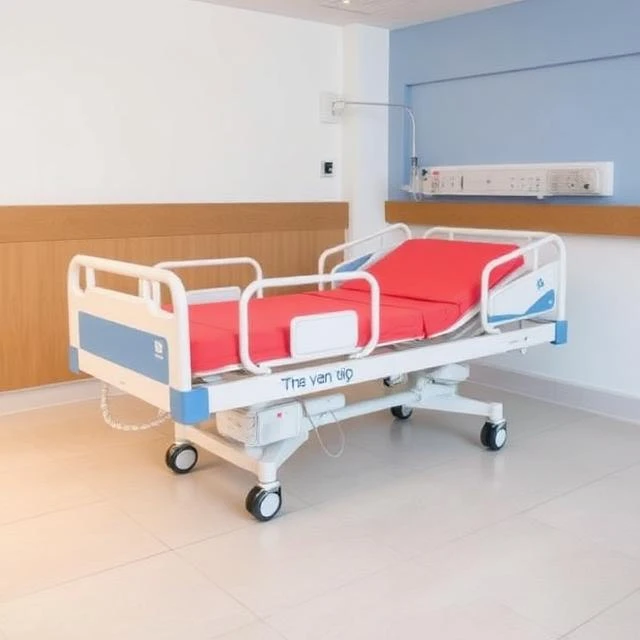

Upgrading your medical facility usually starts with better patient support. Modern clinics are ditching manual cranks for automation. Here's what you should know-
Features That Dictate Price
The number of functions sets the base cost. You will find that a 5-function electric bed for hospital settings allows for Trendelenburg and Reverse Trendelenburg movements. These specific tilts help patients with respiratory issues or low blood pressure. If you choose a 4-function model, you might lose the tilt feature but save some money.
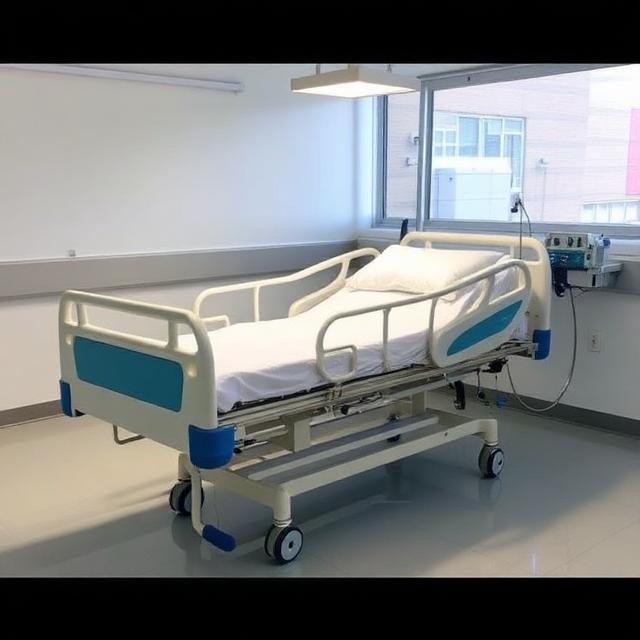
The motor count is the main driver of the price tag. Each motor controls a different movement, such as the backrest or the knee rest. You want a system where the height adjustment is also motorised. This Hi-Lo feature protects your staff from back injuries (nurses do a lot of heavy lifting). A fully Electric Bed for Hospital use ensures that every adjustment happens at the touch of a button.
Technical Specs and Material Quality
Build quality determines how long your investment lasts. Frames made from mild steel with a pre-treated epoxy powder coating resist rust and heavy wear. You should look for a 4-section top made of perforated sheets. This design allows for better airflow under the mattress.
Components like ABS head and foot panels add to the cost. These panels are removable, which is great for emergency access during CPR. You also need to look at the side rails. Collapsible or tuck-away safety rails are standard in high-quality models. They keep the patient secure without being an obstacle. High-grade 125mm castors with individual or central braking systems also influence the final price bracket.
Advanced Electronics and Safety
Reliable motor systems are the heart of the machine. You need a bed that includes a wired hand remote for the patient and a nurse control panel for the staff. An integrated battery backup is a non-negotiable safety net. It keeps the bed functional during power cuts.
Higher weight capacities require reinforced frames. If you need a bed that supports heavier patients, the price will naturally move into a higher bracket. You are paying for the peace of mind that the frame will not buckle under pressure.
Estimated Price Brackets
Standard motorised beds for home care or general wards sit in the lower price bracket. These usually offer basic head and foot lifts. Multi-function ICU configurations sit in the premium tier. These models feature advanced medical electronics and full positioning capabilities.
You must think about the total cost of ownership. Cheap beds often break down quickly, and finding spare parts can be a nightmare. Buying a robust electric bed for hospital environments saves you from the constant costs of repairs. It is better to spend more upfront on a durable model.
Why Costs Vary Between Providers
Prices change based on customisation. You might need IV pole attachments or oxygen cylinder holders. Compliance with international safety standards also increases costs. You are paying for rigorous testing and quality marks. After-sales support and technical warranties are other factors. A provider that offers a solid warranty will charge a bit more (but they provide better security for your clinic).
Selecting a bed with full adjustments is an investment in patient recovery. You get better ergonomics for your team and comfort for those in your care. An electric bed for hospital use is the gold standard for modern healthcare. Contact our experts to find the perfect multi-function ICU bed for your facility today.
FAQs
What is the difference between semi-electric and fully electric hospital beds?
Semi-electric beds use a manual crank for height adjustments while the head and foot sections are motorised. A fully electric bed for hospital use automates all three movements through a remote control.
Are ICU beds more expensive than standard electric beds?
ICU beds need specialised positions such as Trendelenburg & cardiac chair movements. They also feature more advanced safety controls with higher weight ratings.
Does the price include the mattress?
The mattress is usually purchased separately. You need a specialised pressure-relief mattress for ICU patients to prevent bedsores.










Sign in to leave a comment.