How Municipalities Maintain Fire Hydrant Networks


Fire hydrants are essential components of fire protection systems. They provide firefighters with access to water during emergencies and must remain in proper working condition. However, regular use, weather exposure, corrosion, and aging components can cause fire hydrants to develop problems over time.
Identifying a damaged or faulty fire hydrant early can help prevent unexpected failures and reduce the need for extensive repairs. Regular fire hydrant inspection and maintenance also help ensure that hydrants remain accessible, functional, and ready for emergency use.
1. Visible Rust and Corrosion
One of the most common signs of a damaged fire hydrant is visible rust or corrosion. Hydrants are exposed to rain, moisture, temperature changes, and other environmental conditions that can gradually damage their metal components.
Look for:
- Rust around the hydrant body and base.
- Corrosion near bolts, flanges, and connections.
- Deteriorating protective coatings.
- Cracks or weakened metal components.
Severe corrosion may affect the structural condition of a hydrant. Professional fire hydrant inspection services can help determine whether the equipment needs repair or replacement.
2. Water Leaks Around the Hydrant
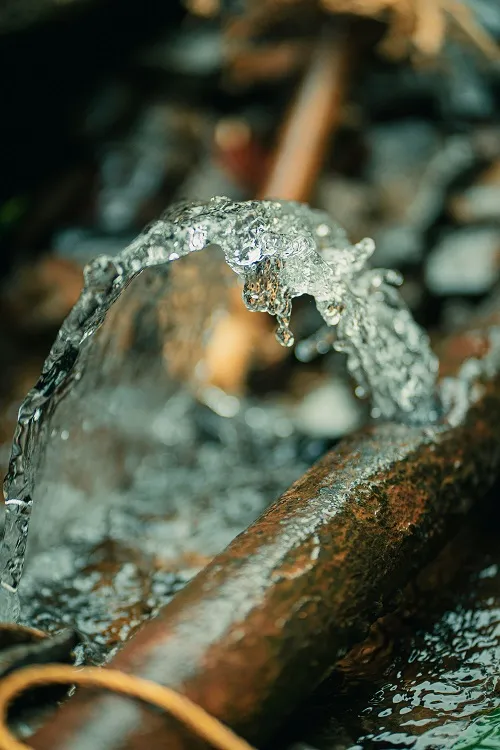
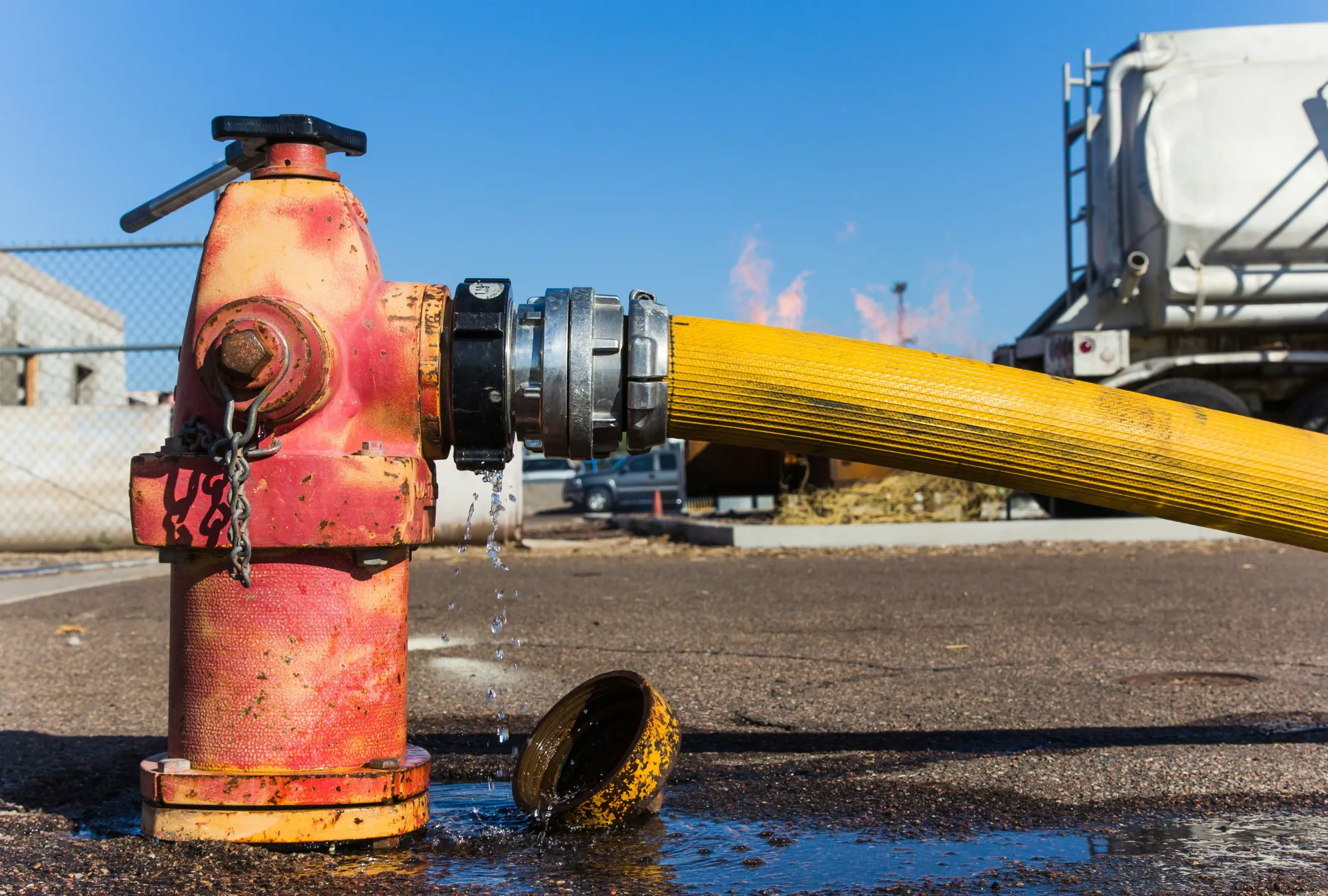
Water leakage is another important warning sign. A faulty valve, damaged gasket, worn seal, or loose connection may cause water to escape from different parts of the hydrant.
Common leakage signs include:
- Water pooling around the hydrant base.
- Continuous dripping from outlets or connections.
- Leakage around valve areas.
- Water escaping when the hydrant is not in use.
Professional fire hydrant leak repair services can identify the source of leakage and determine which components require repair or replacement.
3. Damaged or Missing Nozzle Caps
Nozzle caps protect hydrant outlets from dirt, debris, moisture, and physical damage. Missing, cracked, or improperly secured caps can expose internal connections and make hydrants less reliable.
During a visual inspection, check for missing caps, damaged threads, worn gaskets, and loose fittings. Damaged components should be repaired or replaced to maintain proper hydrant condition.
4. Difficulty Operating Hydrant Valves
Fire hydrant operating valves must function correctly to control water flow. If an operating nut becomes stuck, difficult to turn, or damaged, the hydrant may not operate as intended.
Possible causes include corrosion, internal mechanical damage, worn components, and inadequate maintenance.
Professional fire hydrant valve repair and maintenance can help identify mechanical problems and restore proper operation when possible.
5. Low Water Pressure or Reduced Flow
A fire hydrant that delivers insufficient water flow or experiences unusual pressure readings may indicate a problem with the hydrant or the connected water distribution system.
A professional fire hydrant flow test can help evaluate water availability by measuring:
- Static pressure.
- Residual pressure.
- Flow rate in gallons per minute (GPM).
These measurements provide useful information about hydrant performance and can help identify potential water supply issues. Further investigation may be needed to determine whether the problem is caused by the hydrant itself or the surrounding water system.
6. Damaged Hydrant Base or Underground Connections
The hydrant base and underground connections are important for maintaining a secure connection to the water supply. Physical impact, corrosion, soil movement, or deterioration may damage these components.
Warning signs may include:
- Visible cracks near the hydrant base.
- Loose or unstable hydrant positioning.
- Water leakage around the underground connection.
- Signs of settlement or surrounding ground damage.
Professional inspection is important because underground damage may not always be visible from the outside.
7. Drainage Problems
Some fire hydrants are designed with drainage systems that help remove water from the hydrant barrel after operation. When drainage components become blocked or damaged, water may remain inside the hydrant.
This can increase the risk of internal corrosion and freezing during cold weather. Inspection and appropriate maintenance can help identify drainage problems before they cause further damage.
Why Is Professional Fire Hydrant Inspection Important?
Visual checks can help identify obvious problems, but they cannot confirm every aspect of hydrant performance. Internal components, valve conditions, water pressure, and flow capacity may require professional inspection and testing.
Regular fire hydrant preventive maintenance can help identify developing issues, reduce unexpected equipment failures, and support reliable operation.
Professional inspection may include:
- Checking the physical condition of the hydrant.
- Inspecting caps, nozzles, valves, and connections.
- Identifying visible leaks and corrosion.
- Checking operating components.
- Performing flow and pressure testing when required.
- Documenting problems and recommending necessary repairs.
The inspection schedule should follow applicable local requirements and the recommendations of the responsible water authority.
When Should a Fire Hydrant Be Repaired or Replaced?
Not every damaged hydrant requires complete replacement. Minor problems, such as worn gaskets, damaged caps, and certain valve issues, may be resolved through professional repairs.
However, severely corroded hydrants, structural damage, recurring leaks, and extensive mechanical failures may require replacement.
A professional assessment can help determine the most appropriate solution based on the hydrant's condition, repair requirements, and operational performance.
Professional Fire Hydrant Services in Maryland
Maintaining properly functioning fire hydrants requires regular inspection, preventive maintenance, timely repairs, and appropriate testing. Seadmok Water provides professional water and sewer utility services in Maryland, including fire hydrant preventive maintenance, repair, replacement, and flow testing.
Whether a hydrant has visible corrosion, leaking connections, damaged components, or operational problems, identifying the issue early can help prevent more extensive damage.
Seadmok Water supports the maintenance and functionality of water distribution infrastructure through professional utility services.
Frequently Asked Questions
1. What are the common signs of a faulty fire hydrant?
Common warning signs include visible corrosion, water leakage, damaged nozzle caps, stuck operating valves, reduced water flow, and drainage problems.
2. How can I tell if a fire hydrant has a water leak?
Look for water pooling around the hydrant base, continuous dripping, or moisture around valves and connections. A professional inspection can identify the exact source of the leak.
3. Why is fire hydrant flow testing important?
Flow testing measures static pressure, residual pressure, and water flow in GPM. It helps evaluate the available water supply and identify potential performance issues.
4. Can a damaged fire hydrant be repaired?
Yes. Minor damage involving caps, gaskets, valves, and other replaceable components may be repaired. Severely damaged hydrants may require replacement.
5. How often should fire hydrants be inspected?
Inspection frequency depends on local regulations, water authority requirements, and hydrant conditions. Responsible authorities should establish an appropriate maintenance schedule.
6. Who provides professional fire hydrant repair services in Maryland?
Seadmok Water provides fire hydrant preventive maintenance, repair, replacement, and related water utility services in Maryland.







Sign in to leave a comment.