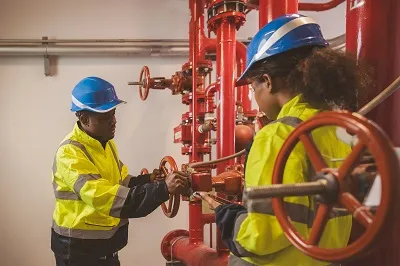

Water valves are critical components of any water distribution system. Whether installed in residential plumbing, commercial facilities, or municipal infrastructure, these devices regulate water flow and help isolate sections of a pipeline during maintenance or emergencies. When a valve begins to fail, property owners often face a common question: Is it better to repair the existing unit or invest in a replacement?
The answer depends on several factors, including the condition of the equipment, the severity of the issue, long term costs, and overall system reliability. Understanding the advantages and limitations of each option can help you make a more informed decision.
Understanding Valve Problems
Over time, flow control devices can experience wear due to age, pressure fluctuations, corrosion, and environmental conditions. Small issues may initially seem harmless but can eventually affect the performance of the entire water system.
Common warning signs include:
• Water seepage around fittings
• Difficulty operating the mechanism
• Reduced water pressure
• Corroded metal surfaces
• Unusual noises in the pipeline
• Visible cracks or deterioration
Identifying these issues early often increases the likelihood of a successful repair.
When Repair Is the Right Choice
Not every malfunction requires a complete replacement. In many situations, restoring the existing component can provide a cost effective solution.
Minor Leaks
Small leaks are often caused by worn seals, loose fittings, or deteriorated gaskets.
A professional technician may be able to:
• Replace damaged seals
• Tighten connections
• Restore proper operation
• Prevent further water loss
These repairs are typically less expensive than installing new equipment.
Relatively New Equipment
If the component is still within its expected service life, repairing isolated damage may be the most practical option.
Newer systems generally have:
• Better structural integrity
• Lower risk of recurring issues
• More available replacement parts
In these cases, a repair can extend operational life without requiring a major investment.
Limited Damage
When the issue affects only one section of the assembly, restoration may provide years of reliable performance.
Examples include:
• Damaged handles
• Worn internal seals
• Minor operational problems
• Small external leaks
Addressing localized damage promptly can prevent larger failures later.
Benefits of Repair
Repairing existing equipment offers several advantages.
These may include:
• Lower upfront costs
• Faster project completion
• Less disruption to water service
• Reduced excavation requirements
• Preservation of surrounding infrastructure
For many property owners, these benefits make repair an attractive first option when the damage is relatively minor.
When Replacement Makes More Sense
While repairs can solve many problems, some situations call for a complete upgrade.
Severe Corrosion
Corrosion is one of the most common causes of infrastructure deterioration. When rust affects major structural components, repairing individual parts may only provide a temporary solution.
Signs of advanced deterioration include:
• Flaking metal surfaces
• Structural weakness
• Repeated leaks
• Extensive internal damage
In these cases, replacement often provides greater long term value.
Frequent Breakdowns
If the same component requires repeated service, repair costs can accumulate quickly.
Recurring failures may indicate:
• Internal wear
• Aging materials
• Reduced reliability
• End of service life
Installing new equipment can eliminate ongoing maintenance concerns and improve system performance.
Outdated Infrastructure
Older water systems may contain components that no longer meet modern standards.
Replacing aging equipment can provide:
• Improved efficiency
• Better durability
• Enhanced reliability
• Reduced maintenance needs
Modern designs often offer improved performance compared to older models.
Significant Mechanical Failure
Some issues cannot be corrected through repairs alone.
Examples include:
• Broken internal mechanisms
• Cracked valve bodies
• Major structural damage
• Extensive wear of critical components
In these situations, replacement is usually the safest and most effective solution.
Advantages of Replacement
Although installation costs may be higher, replacement often provides substantial long term benefits.
Potential advantages include:
• Increased operational reliability
• Improved flow regulation
• Enhanced durability
• Lower maintenance expenses
• Better resistance to corrosion
• Longer service life
A new installation may also improve the overall efficiency of the water distribution network.
Key Factors to Consider
Before choosing between water valve repair and replacement, several important factors should be evaluated.
Age
Older equipment naturally experiences more wear and is more likely to develop additional issues in the future.
Cost Comparison
Compare repair expenses with replacement costs.
If restoration approaches a significant percentage of the replacement price, upgrading may provide better value.
Future Maintenance
A repaired component may still require additional service later.
A new installation often reduces maintenance requirements for many years.
Reliability Requirements
Critical infrastructure requires dependable performance. Properties that cannot tolerate service interruptions may benefit from proactive replacement.
System Condition
The surrounding water network should also be considered. If multiple components are nearing the end of their lifespan, a larger upgrade project may be more practical.
Importance of Professional Inspection
A thorough assessment is essential before making any decision.
Experienced utility professionals can evaluate:
• Internal component condition
• Structural integrity
• Pressure performance
• Leakage risks
• Future maintenance requirements
This evaluation helps determine whether restoration will provide a reliable solution or if replacement offers better long term results.
Preventing Future Problems
Routine inspections and preventative maintenance can significantly reduce unexpected failures.
Recommended practices include:
• Scheduling regular system evaluations
• Monitoring for leaks
• Addressing corrosion early
• Exercising shut off devices periodically
• Responding quickly to minor issues
Preventative care often extends equipment lifespan and reduces repair costs over time.
Final Thoughts
Choosing between water valve replacement and repair depends on the condition of the equipment, repair costs, future reliability, and overall system performance goals. Minor issues can often be corrected through professional repairs, while severely damaged or aging components may benefit from a complete replacement.
A professional inspection is the best way to determine the most cost effective and reliable solution. For property owners and municipalities seeking expert assistance with water infrastructure projects, Seadmok Water provides professional services designed to help maintain safe, efficient, and dependable water systems.




























Sign in to leave a comment.