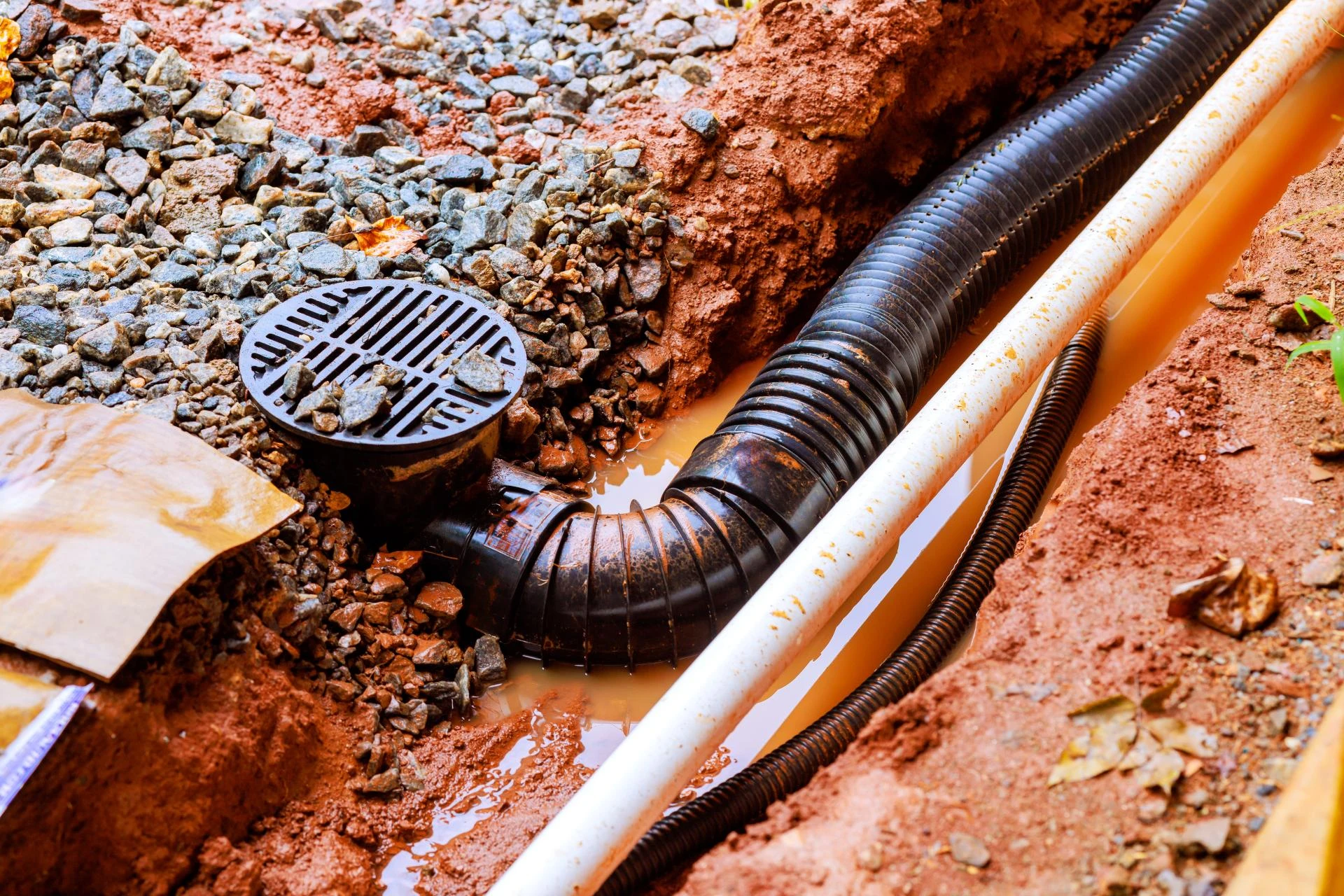

When it comes to protecting your home’s water supply, most people think about leaks, pipe materials, or water pressure—but one of the most essential safety devices in your water system is often hiding in plain sight: the backflow preventer.
Installed at or near your water house connection, a backflow preventer protects your home’s drinking water (and your neighbors’) from contamination. In this article, we break down what backflow is, how preventers work, and why they matter more than you think.
🚱 What Is Backflow—and Why Is It Dangerous?
Backflow is the unwanted reversal of water flow in your plumbing system. Instead of clean water flowing into your home, contaminated water can flow backward into the public water supply. This can happen due to:
- A sudden drop in pressure (like a water main break or firefighting activity)
- A cross-connection between clean water and a contaminated source (like a garden hose submerged in a pool or bucket)
Backflow can introduce chemicals, bacteria, fertilizers, and other harmful substances into the drinking water system—posing a serious health risk.
🛠️ What Is a Backflow Preventer?
A backflow preventer is a mechanical device installed in your plumbing to ensure water only flows in one direction—from the public main into your home. It automatically blocks water from flowing back toward the main line in case of a pressure drop or flow reversal.
It’s often required by plumbing codes—especially in homes with:
- Irrigation systems
- Fire sprinkler systems
- Boilers
- Large water service lines
🔧 Where Does It Go in the Water House Connection?
Your water house connection is the ideal place for a backflow preventer, especially in newer installations. It’s typically located:
- Just after the water meter
- Near the point where the municipal water enters your property
- Before the line splits to feed your home’s plumbing fixtures
By placing the device at the entry point, it ensures complete protection for your home and the public water system.
🏠 Why It’s Important for Maryland Homes
In Maryland, local plumbing codes often require backflow preventers in residential and commercial properties—particularly when there's any potential risk of cross-contamination. For example:
- Montgomery and Howard Counties mandate them for irrigation systems.
- PG County may require annual testing of preventers in certain homes.
If your home has a large-diameter service line, water-powered sump pump, or old cross-connections, a backflow preventer could be a code requirement.
⚠️ Signs You May Need to Inspect or Replace Your Backflow Preventer
- Low water pressure throughout the home
- Water flowing in unusual directions (e.g., fixtures refilling when off)
- Rusty or discolored water
- Annual test failure (if applicable)
- Visible leaks near the device
✅ Benefits of Having a Backflow Preventer
- Protects Your Family’s Health: Prevents contaminated water from entering your plumbing
- Compliance with Local Codes: Avoid violations and penalties
- Peace of Mind: Especially important if you have irrigation or pool systems
- Adds Property Value: Many buyers look for code-compliant plumbing upgrades
👷 Who Installs and Maintains Them?
Only a licensed plumber or utility contractor should install or service a backflow preventer. In Maryland, professional installation is often required for approval by the local water authority, especially if the device is part of your primary water house connection.
At Seadmok Water, we provide full inspection, installation, and testing services for backflow devices—ensuring your system stays safe, compliant, and efficient.
📝 Final Thoughts
A backflow preventer is small but mighty—it plays a critical role in keeping your water clean and your family safe. Whether you're installing a new water house connection or upgrading an existing one, don’t skip this vital component.
Have questions about your setup or need a certified backflow device installed in Maryland? Contact Seadmok Water today for expert guidance and service.



























Sign in to leave a comment.