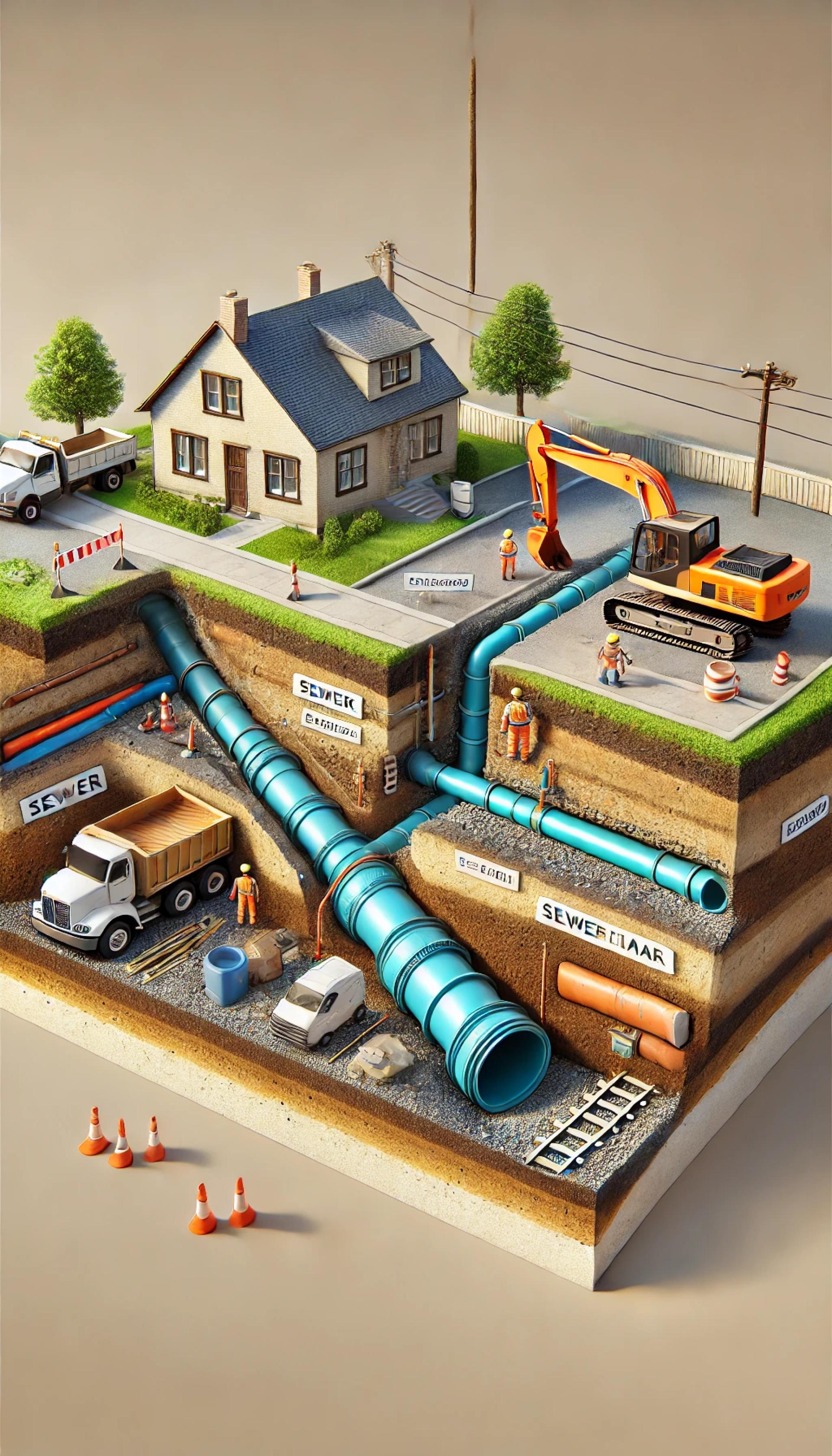

Your sewer lateral connection plays a vital role in keeping your property’s wastewater system running efficiently. Over time, these underground pipes can deteriorate due to age, tree root intrusion, ground shifting, and blockages. If your sewer lateral is outdated or experiencing frequent issues, an upgrade can improve performance, prevent costly repairs, and enhance property value.
In this article, we’ll discuss why upgrading your sewer lateral connection is essential, the benefits of a modernized system, and what steps you should take to ensure a smooth
replacement process.
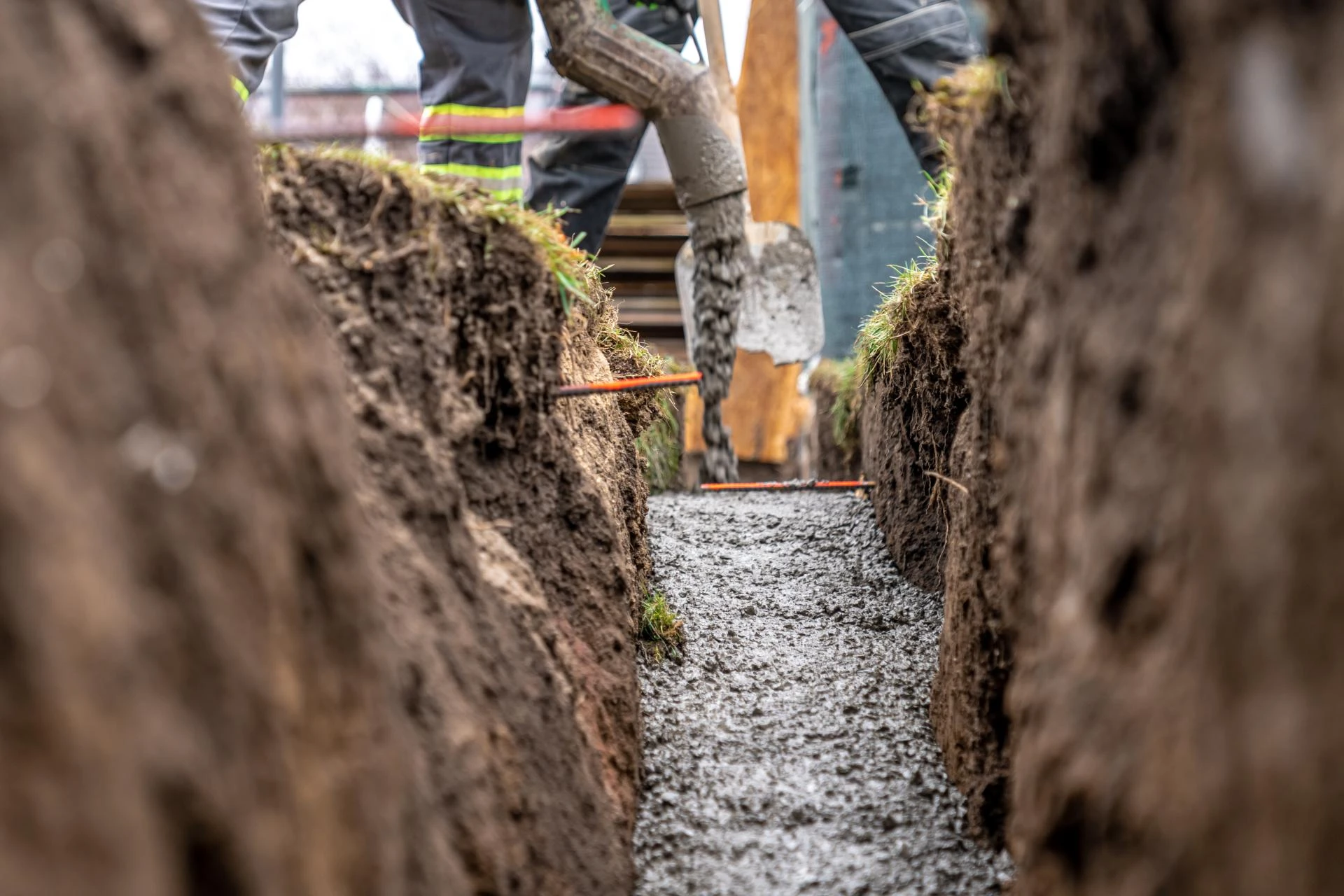
Why Upgrade Your Sewer Lateral Connection?
Many homeowners and businesses overlook the condition of their sewer lateral pipes until problems arise. Here are some key reasons why an upgrade may be necessary:
1. Prevent Frequent Blockages and Backups
Older pipes are more prone to clogs, grease buildup, and root intrusion, leading to frequent blockages. A modern PVC or HDPE sewer lateral connection offers improved flow efficiency and resistance to obstructions.
2. Reduce the Risk of Leaks and Structural Damage
Cracks, misalignments, and corrosion in outdated pipes can lead to leaks, causing foundation damage and sinkholes in your yard. Upgrading ensures a leak-proof, structurally sound connection.
3. Improve Wastewater Flow Efficiency
Newer materials and trenchless technology provide better pipe alignment, smooth interiors, and increased durability, allowing wastewater to flow seamlessly to the main sewer line.
4. Avoid Costly Emergency Repairs
Older pipes are more likely to fail unexpectedly, leading to expensive emergency repairs and potential property damage. Proactive upgrades help you avoid sudden breakdowns and costly disruptions.
5. Ensure Compliance with Local Sewer Regulations
Many municipalities require homeowners to upgrade their sewer lateral connections if they fail inspections. Staying compliant helps you avoid fines and ensures your property meets environmental standards.
Best Methods for Upgrading Your Sewer Lateral Connection
1. Trenchless Pipe Replacement
Trenchless methods, such as pipe bursting or pipe lining, allow for sewer lateral upgrades without major excavation. These techniques minimize disruption to your property while providing a durable, long-lasting pipe solution.
2. Installing PVC or HDPE Pipes
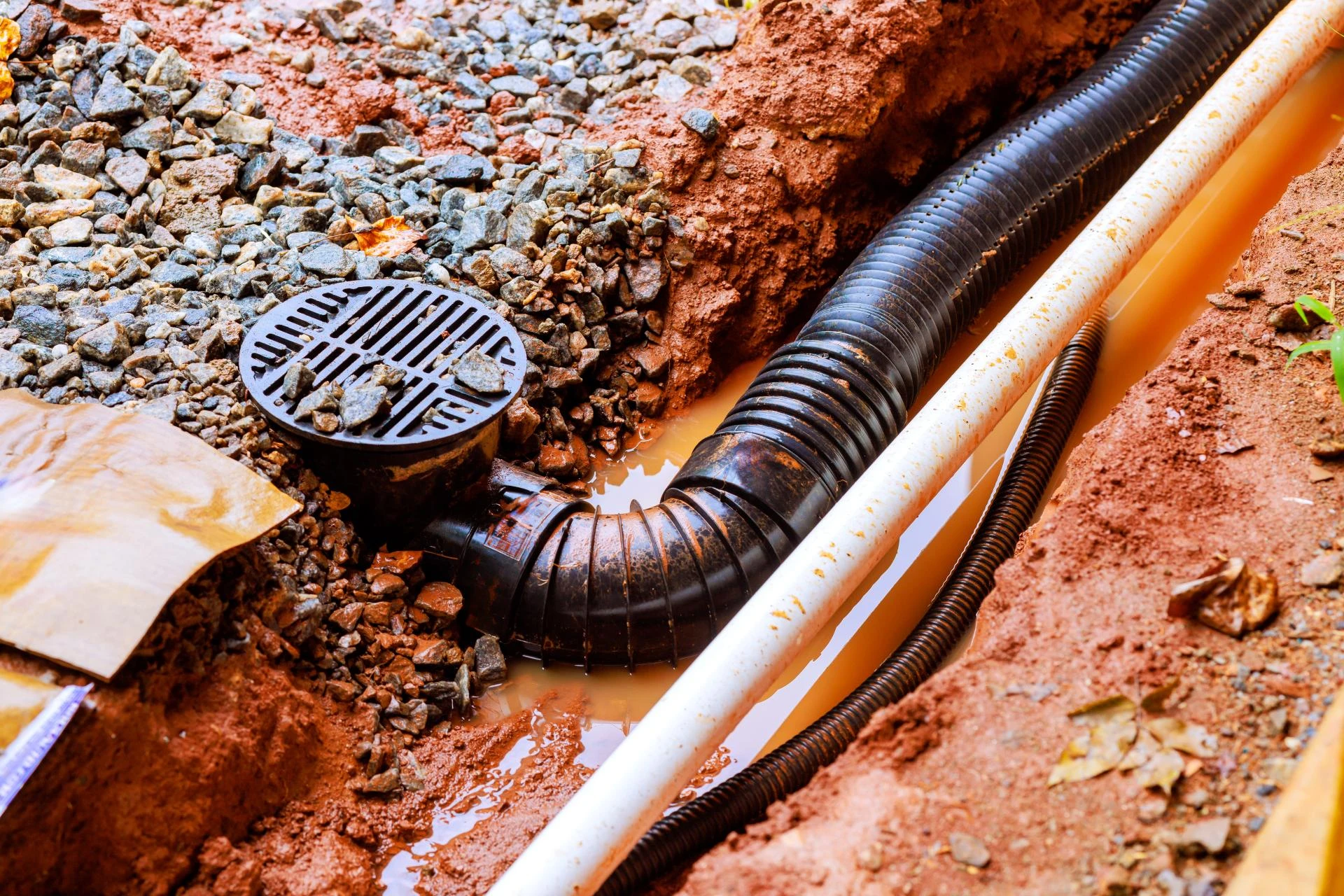
Modern materials like PVC (polyvinyl chloride) and HDPE (high-density polyethylene) offer superior durability, corrosion resistance, and longevity compared to older clay, cast iron, or Orangeburg pipes.
3. Root-Resistant Pipe Solutions
If tree roots have been a recurring issue, upgrading to a root-resistant sewer lateral connection can prevent future infiltration, reducing maintenance needs.
4. Proper Pipe Slope and Alignment
A well-installed lateral connection should have the correct slope to allow for gravity-assisted wastewater flow, reducing the risk of stagnation and blockages.
5. Camera Inspections for Quality Assurance
After upgrading, a sewer camera inspection ensures the installation is properly aligned, leak-free, and functioning optimally before covering the pipes.
How to Know If You Need an Upgrade
Consider upgrading your sewer lateral connection if you notice:
✔️ Frequent sewer backups or slow drains
✔️ Unpleasant odors coming from your drains or yard
✔️ Visible cracks, leaks, or misalignment in your sewer line
✔️ Tree root intrusion causing blockages
✔️ An outdated pipe material that’s prone to failure
Conclusion
Upgrading your sewer lateral connection is a smart investment that ensures better performance, prevents costly repairs, and keeps your property’s wastewater system running efficiently. Whether you opt for trenchless replacement, modern pipe materials, or advanced root-resistant solutions, a well-executed upgrade will save you money and stress in the long run.

























Sign in to leave a comment.