

Industrial wastewater treatment is becoming increasingly complex as pollutant loads rise, environmental regulations tighten, and sustainability expectations grow. Industries such as textiles, pharmaceuticals, chemicals, food processing, and manufacturing face constant pressure to reduce Chemical Oxygen Demand (COD), Biological Oxygen Demand (BOD), sludge generation, and operational costs — while maintaining strict regulatory compliance.
Traditional biological treatment methods often struggle with fluctuating effluent loads, slow microbial adaptation, and excessive sludge production. To overcome these challenges, advanced Nanozyme bioculture technology is emerging as a high-efficiency, sustainable solution for modern wastewater treatment systems.
The Growing Challenges in Industrial Effluent Treatment
Industrial effluents typically contain complex organic compounds, toxic substances, and high pollutant concentrations. Common challenges include:
- High COD and BOD levels
- Excessive sludge generation
- Inconsistent microbial performance
- Poor oxygen transfer efficiency
- Increased dependency on chemicals
- Compliance risks with environmental authorities
Many conventional treatment systems rely on outdated microbial cultures or chemical-intensive processes that fail to adapt quickly to industrial variability. This results in unstable plant performance and rising operational costs.
What Are Nanozyme Biocultures?
Nanozyme biocultures are scientifically engineered microbial formulations enhanced with specialized enzyme activity. These advanced biological solutions accelerate natural biodegradation processes by improving microbial efficiency, resilience, and adaptability within wastewater treatment systems.
Unlike conventional biocultures, Nanozyme technology: Enhances enzymatic breakdown of complex organic compounds, Improves microbial stability during load fluctuations, Accelerates biodegradation rates, Reduces sludge formation, Optimises oxygen utilisation. The result is faster pollutant removal, improved plant stability, and lower operating costs.
Improving COD & BOD Reduction Efficiency
COD and BOD reduction are critical performance indicators in wastewater treatment. Nanozyme biocultures significantly strengthen biological oxidation processes, leading to:
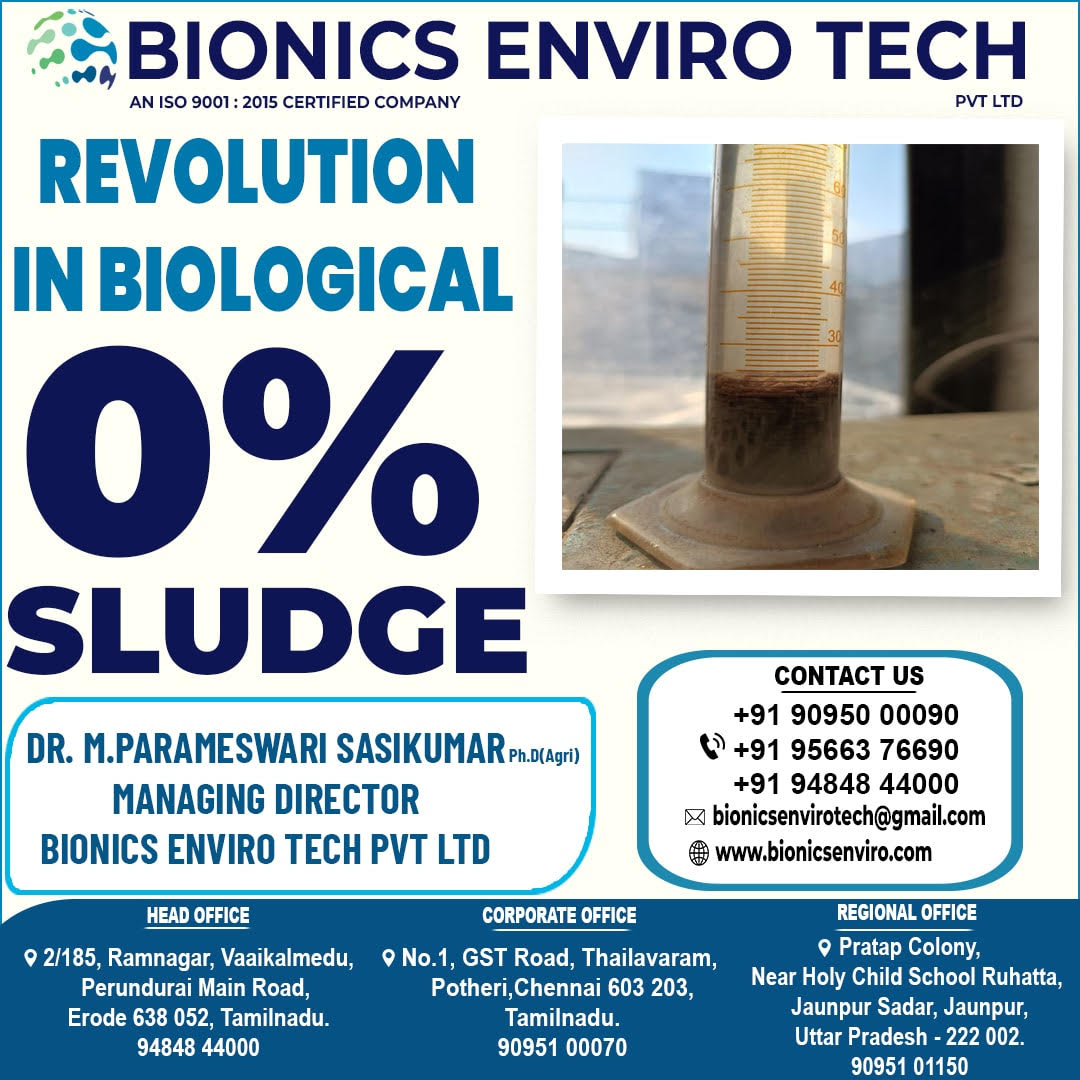
Faster degradation of organic matter, Increased microbial activity, reduced hydraulic retention time (HRT),Improved aeration efficiency, Lower excess sludge production
By enhancing the biological core of treatment systems, industries can achieve consistent compliance and reliable long-term performance
Applications Across Treatment Systems
Nanozyme biocultures are highly adaptable and compatible with various wastewater treatment configurations:
1. Effluent Treatment Plants (ETP)
Ideal for industries such as textiles, pharmaceuticals, chemicals, and food processing, where high organic loads and complex compounds demand superior biodegradation performance.
2. Sewage Treatment Plants (STP)
Enhances domestic wastewater treatment by stabilising microbial communities and improving organic matter breakdown.
3. Common Effluent Treatment Plants (CETP)
Supports multi-industry wastewater treatment by maintaining microbial balance under fluctuating influent characteristics.
Key Benefits for Industrial Operations
Industries adopting advanced Nanozyme-based biological solutions experience measurable operational and environmental benefits:
Improved COD and BOD reduction efficiency, Lower sludge handling and disposal costs, Reduced chemical consumption, Faster system stabilisation, Eco-friendly and sustainable operation, Enhanced regulatory compliance, Optimised plant efficiency and improved ROI These advantages position Nanozyme biocultures as a strategic investment, not just an operational add-on.
Moving Toward Sustainable Wastewater Treatment
Sustainability is no longer optional. Environmental compliance, ESG commitments, and cost optimization now demand smarter biological treatment technologies.
Nanozyme bioculture solutions represent the next evolution in wastewater management — combining advanced microbial engineering with environmental responsibility. Industries focused on long-term efficiency, compliance, and sustainability are increasingly transitioning to these advanced biological enhancement strategies.
Conclusion
As industrial wastewater challenges continue to evolve, treatment technologies must advance accordingly. Nanozyme biocultures offer a powerful, eco-friendly, and cost-effective approach to improving biodegradation efficiency, reducing sludge generation, and ensuring regulatory compliance.
For industries aiming to optimize ETP, STP, or CETP performance, adopting advanced Nanozyme-based biological wastewater treatment solutions can deliver significant environmental and operational benefits — both now and in the future.





















Sign in to leave a comment.