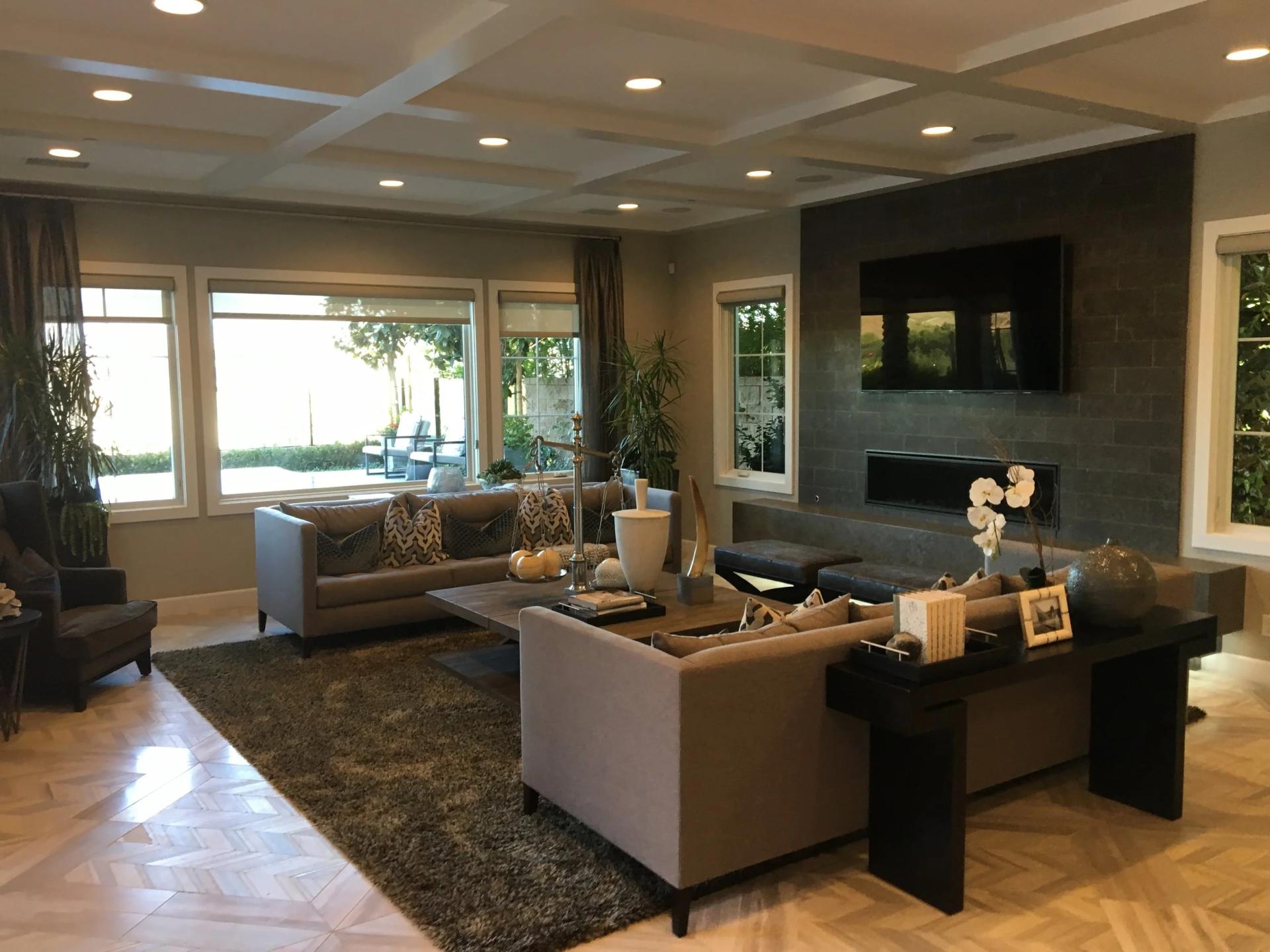

Natural light is one of the most transformative yet often underutilized elements in residential interiors. Many homeowners invest in furniture, finishes, and décor while overlooking how daylight shapes the mood, perception, and functionality of their homes. The result? Living spaces that feel dim, cramped, or disconnected from the outdoors—even when square footage is generous.
This is where living spaces design services step in with strategic, science-informed planning. By understanding how natural light interacts with architecture, materials, and human psychology, designers can create interiors that feel brighter, healthier, and more expansive, without necessarily adding square footage.
In this guide, we explore how natural light influences living spaces' design, why it matters for comfort and well-being, and how expert design strategies can help homeowners harness daylight to its fullest potential. Keep reading.
Why Natural Light Matters in Living Spaces Design?
Natural light is more than an aesthetic feature; it directly affects how a space looks, feels, and functions. From visual comfort to emotional well-being, daylight plays a foundational role in interior environments.
Perception of Space and Openness:
Rooms with abundant daylight appear larger and more inviting. Light reduces harsh shadows and visually pushes boundaries outward, making even compact living rooms feel airy. This is why living spaces design services often prioritize window orientation, glazing size, and reflective surfaces to enhance perceived spaciousness.
Emotional and Psychological Impact:
Exposure to daylight supports circadian rhythms, mood regulation, and mental clarity. Bright, naturally lit living areas feel uplifting and energizing, while dark interiors can feel heavy or enclosed. Designers frequently refer to natural light as the “emotional architecture” of a home because it shapes how occupants experience the space throughout the day.
Color Accuracy and Material Appearance:
Artificial lighting can distort color tones, but daylight reveals the true hues of walls, fabrics, and finishes. In living spaces design, this means paint selections, textures, and décor choices should be evaluated under natural light conditions. Materials such as wood grain, stone, and textiles appear richer and more authentic when illuminated naturally.
Energy Efficiency and Sustainability:
Maximizing daylight reduces reliance on artificial lighting during daytime hours. Thoughtful window placement, skylights, and reflective surfaces can lower energy consumption and enhance sustainability, an increasingly important factor in modern living spaces design services.
Understanding Light Orientation in Interior Design:
Not all daylight is the same. The direction from which light enters a home affects brightness, warmth, and shadow patterns. Professional living spaces design services consider orientation to tailor interiors accordingly.
North-Facing Light:
North light is soft, consistent, and cool. It produces minimal glare and stable illumination throughout the day. Living rooms with north exposure benefit from warm color palettes, layered textiles, and reflective finishes to counterbalance cooler tones.
South-Facing Light:
South exposure provides abundant, warm light for most of the day. These spaces feel bright and energetic. Designers often moderate intensity with sheer window treatments, diffused glazing, or strategic furniture placement to prevent overheating or glare.
East-Facing Light:
Morning sunlight from the east is crisp and invigorating. Living areas with east exposure feel cheerful early in the day but softer later. Light-enhancing finishes and pale surfaces help maintain brightness after midday.
West-Facing Light:
West light is dramatic and warm in the afternoon and evening, but it can create glare and heat. Living spaces design services often incorporate shading devices, textured fabrics, and matte finishes to soften harsh rays while preserving warmth.
Architectural Elements That Shape Natural Light:
Natural light is influenced as much by architecture as by windows themselves. Designers analyze structural features to optimize daylight distribution.
Window Size and Placement:
Large, strategically positioned windows invite more daylight and connect interiors with outdoor views. However, placement matters more than size alone. High windows distribute light deeper into rooms, while corner glazing expands visual boundaries.
Ceiling Height and Shape:
Higher ceilings allow light to travel farther and disperse evenly. Vaulted or angled ceilings can direct daylight across surfaces, creating dynamic illumination patterns. In living spaces design, ceiling geometry often works hand-in-hand with window orientation.
Interior Layout and Sightlines:
Open layouts allow light to flow freely between zones. Walls, partitions, and bulky furniture can block light paths. Designers frequently rearrange layouts to ensure sunlight reaches the heart of the living area rather than stopping at the perimeter.
Skylights and Clerestory Windows:
When wall space is limited, overhead glazing becomes invaluable. Skylights introduce top-down illumination, reducing shadows and enhancing brightness in central areas. Clerestory windows add daylight while preserving privacy and wall space for furniture.
Material Choices That Amplify Natural Light:
Even with limited windows, materials can dramatically influence brightness. Reflectivity, color, and texture determine how light bounces and diffuses.
Light-Reflective Surfaces:
Glossy finishes, mirrors, and metallic accents reflect daylight across a room. Strategically placed mirrors opposite windows can double perceived brightness. Living spaces design services often use reflective décor to extend natural light reach.
Color Palette Strategy:
Light colors reflect more light, while dark hues absorb it. Neutral palettes—soft whites, warm beiges, pale grays—enhance luminosity. However, contrast is equally important; darker accents anchor the space without overwhelming brightness.
Flooring and Wall Finishes:
Smooth, light-toned flooring distributes light evenly. Matte surfaces reduce glare, while semi-gloss finishes subtly reflect illumination. Designers balance sheen levels to maintain comfort and avoid harsh reflections.
Textiles and Upholstery:
Sheer fabrics allow light to pass through, maintaining privacy without blocking daylight. Heavy drapery can darken interiors. Living spaces design services often layer window treatments, sheers for daytime, and heavier panels for evening.
Furniture Placement and Natural Light Flow:
Furniture arrangement significantly affects how daylight moves through a living room. Poor placement can create shadows or block windows entirely.
Keep Windows Unobstructed:
Large furniture placed in front of windows interrupts light entry. Designers position seating perpendicular to windows rather than directly against them, preserving both views and brightness.
Low-Profile Furniture:
Lower furniture heights allow light to travel across the room. Tall bookcases or partitions can trap light near windows. Living spaces design services often select streamlined silhouettes to maintain openness.
Reflective and Transparent Pieces:
Glass tables, acrylic chairs, and metallic accents allow light to pass through or bounce around. These elements visually “disappear,” preventing cluttered shadows and enhancing illumination.
Balancing Natural and Artificial Lighting:
While natural light is essential, it varies throughout the day. Effective living spaces design integrates artificial lighting that complements daylight rather than competing with it.
Layered Lighting Approach:
Designers combine ambient, task, and accent lighting to maintain consistency after sunset. Warm artificial lighting preserves the welcoming atmosphere created by daylight.
Daylight-Responsive Fixtures:
Modern lighting systems adjust brightness based on available daylight. This maintains visual comfort and energy efficiency. Living spaces design services increasingly incorporate smart lighting to harmonize with natural cycles.
Color Temperature Alignment:
Artificial light should match the warmth of daylight at different times. Cooler tones suit daytime tasks, while warmer tones echo sunset ambiance. This continuity prevents abrupt shifts in mood.
Health and Well-Being Benefits of Natural Light:
Natural light contributes significantly to physical and mental wellness. Interior environments rich in daylight support healthier lifestyles.
Circadian Rhythm Support:
Exposure to daylight helps regulate sleep-wake cycles. Living spaces that receive morning and midday sunlight encourage alertness and restful sleep patterns.
Reduced Eye Strain:
Natural light provides balanced illumination that reduces glare and contrast fatigue. Reading, socializing, and relaxation become more comfortable in well-lit environments.
Mood Enhancement:
Bright interiors promote positivity and reduce feelings of confinement. Homes designed around daylight often feel more uplifting and inviting.
Connection to Nature:
Views of sky and greenery foster biophilic connection. Living spaces design services often align windows and seating to maximize outdoor visibility, strengthening emotional comfort.
Challenges in Maximizing Natural Light:
Not all homes have abundant windows or ideal orientation. Designers address common constraints with creative solutions.
Limited Window Access:
Urban homes or apartments may have few windows. Reflective surfaces, light palettes, and open layouts help amplify available daylight.
Privacy Concerns:
Large windows can compromise privacy. Frosted glass, sheer treatments, or strategic landscaping maintain brightness while shielding interiors.
Heat Gain and Glare:
Intense sunlight can cause overheating or visual discomfort. Shading devices, diffused glazing, and textured materials mitigate harsh light without sacrificing brightness.
Structural Constraints:
Existing architecture may limit window enlargement. Living spaces design services often focus on interior strategies, mirrors, layout shifts, and color adjustments to compensate.
Professional Strategies Used in Living Spaces Design Services:
Interior designers use specialized techniques to optimize natural light effectively.
Daylight Mapping:
Designers analyze how sunlight moves through a home at different times. This informs furniture placement, material selection, and window treatment choices.
Reflective Zoning:
Strategic placement of reflective surfaces redistributes light from bright zones to darker areas. This creates balanced illumination across the room.
Visual Axis Alignment:
Aligning sightlines with windows enhances perceived openness. When views extend toward light sources, spaces feel larger and brighter.
Transitional Lighting Layers:
Designers integrate natural and artificial light transitions, ensuring spaces remain comfortable from morning through evening.
How Natural Light Shapes Different Living Room Functions?
Living spaces often serve multiple purposes—relaxation, socializing, entertainment, and reading. Natural light supports each function differently.
Social Areas:
Bright, evenly lit zones encourage interaction and openness. Seating arrangements near windows enhance comfort and engagement.
Reading and Quiet Zones:
Soft, diffused daylight reduces eye strain. Designers position reading chairs near windows with indirect light.
Media and Entertainment:
Excess daylight can create screen glare. Adjustable treatments allow control while maintaining ambient brightness.
Transitional Spaces:
Hallways or adjacent areas benefit from borrowed light through glass partitions or reflective surfaces.
Trends in Daylight-Focused Living Spaces Design
Modern interiors increasingly prioritize natural illumination as a central design feature.
Biophilic Design Integration:
Designers connect interiors with nature through large windows, greenery, and natural materials. Daylight becomes part of the aesthetic language.
Minimalist Window Treatments:
Clean, unobtrusive treatments maximize light entry while maintaining elegance.
Open-Plan Living:
Removing unnecessary partitions allows daylight to reach deeper zones.
Sustainable Design:
Energy-efficient glazing and daylight optimization reduce environmental impact.
Practical Tips for Homeowners:
Even without major renovations, homeowners can enhance natural light using expert-inspired strategies.
- Use mirrors opposite windows to amplify brightness
- Choose light-toned walls and flooring
- Replace heavy curtains with sheer fabrics
- Keep window areas uncluttered
- Use reflective décor accents
- Rearrange furniture to avoid blocking light paths
These small adjustments can significantly improve how a living space feels and functions.
The Role of Living Spaces Design Services in Daylight Optimization:
While DIY improvements help, professional design ensures comprehensive results. Living spaces design services consider architecture, materials, orientation, and lifestyle needs holistically. Designers evaluate how light interacts with every element, from ceiling height to upholstery texture, creating cohesive interiors that feel naturally luminous. Their expertise transforms daylight from a passive feature into an intentional design tool.
Conclusion!
Natural light is the silent architect of living spaces. It shapes perception, mood, and comfort more profoundly than any single décor element. Homes designed around daylight feel larger, healthier, and more connected to the outdoors, proof that sometimes the most powerful design element is already there, waiting to be harnessed.
For homeowners seeking brighter, more uplifting interiors, the solution lies not just in adding windows but in understanding how light moves, reflects, and interacts with space. Professional living spaces design services provide the insight and strategies needed to transform ordinary rooms into vibrant, naturally illuminated environments.

























Sign in to leave a comment.