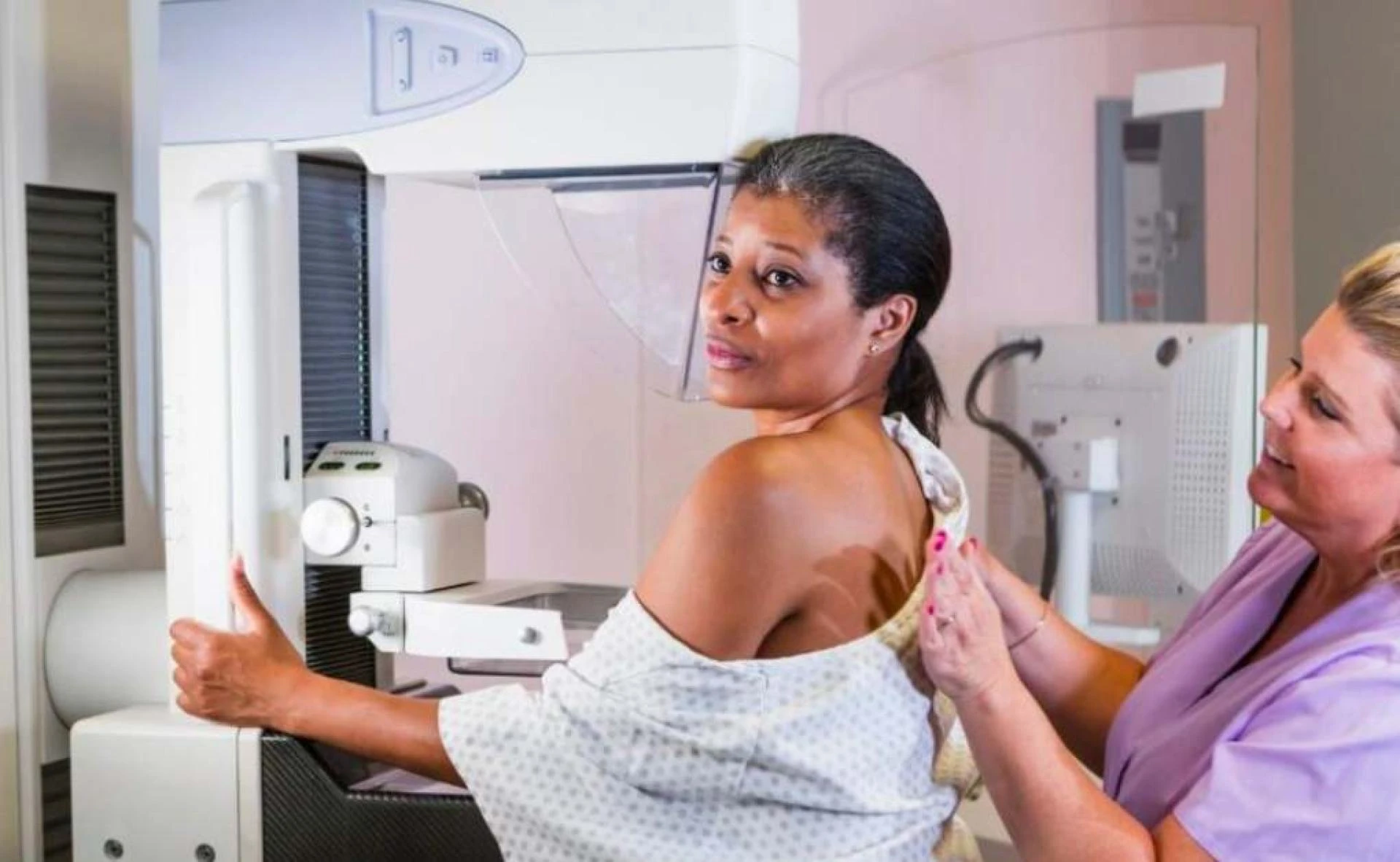

Breast cancer is a significant health concern for women worldwide. Early detection plays a crucial role in improving survival rates and treatment outcomes. Mammograms, which are X-ray images of the breast, are a widely used screening tool for detecting breast cancer. However, the question of how often women should have mammograms is one that sparks debate among healthcare professionals. In this blog, we will delve into the topic and provide you with the most up-to-date recommendations.
Understanding Breast Cancer Risk:
Before discussing mammogram frequency, it’s important to understand individual risk factors for breast cancer. These include age, family history, genetic mutations (such as BRCA1 and BRCA2), personal history of breast cancer or other breast conditions, and certain lifestyle factors. High-risk individuals may require more frequent or additional screening methods, which should be discussed with a healthcare provider. Learn more here
General Recommendations:
The guidelines for mammogram frequency have evolved over time as new research emerges. Here are the current recommendations from leading organisations:
Shared Decision-Making:
While guidelines offer recommendations, the decision on mammogram frequency should be made through a shared decision-making process between women and their healthcare providers. This process involves considering individual risk factors, preferences, and the potential benefits and harms associated with mammograms.
Benefits and Limitations of Mammography:
Mammograms are an effective tool for detecting breast cancer early. They can identify abnormalities, such as lumps or calcifications, before they are noticeable by touch. Early detection enables timely treatment, resulting in improved outcomes. However, mammograms also have limitations. They can produce false-positive results, leading to unnecessary anxiety and additional tests. They may miss some cancers, especially in women with dense breast tissue. Therefore, it is essential to understand the benefits and limitations of mammography when deciding on screening frequency.
Determining how often women should have mammograms is not a one-size-fits-all approach. The current guidelines recommend starting mammograms at different ages and provide options for biennial or annual screenings based on individual risk factors. Ultimately, women should engage in open discussions with their healthcare providers to assess their unique circumstances, preferences, and risk factors before making informed decisions about mammogram frequency. Regular breast self-exams and clinical breast exams are also important components of breast health. Together, these strategies contribute to early detection, empowering women to take control of their breast health and well-being. Visit http://parklaneradiology.co.za/womens-imaging for more information.
































Sign in to leave a comment.